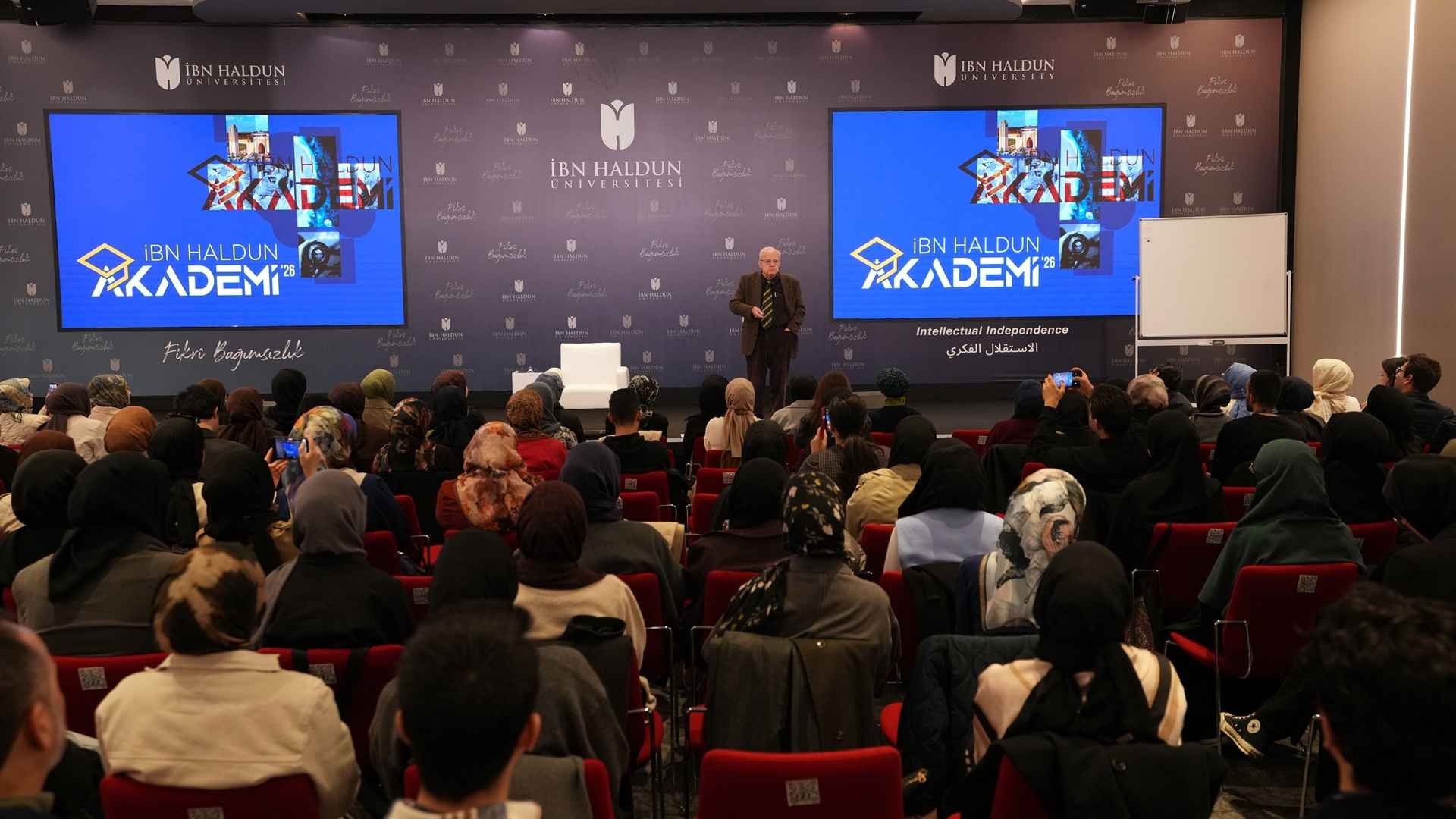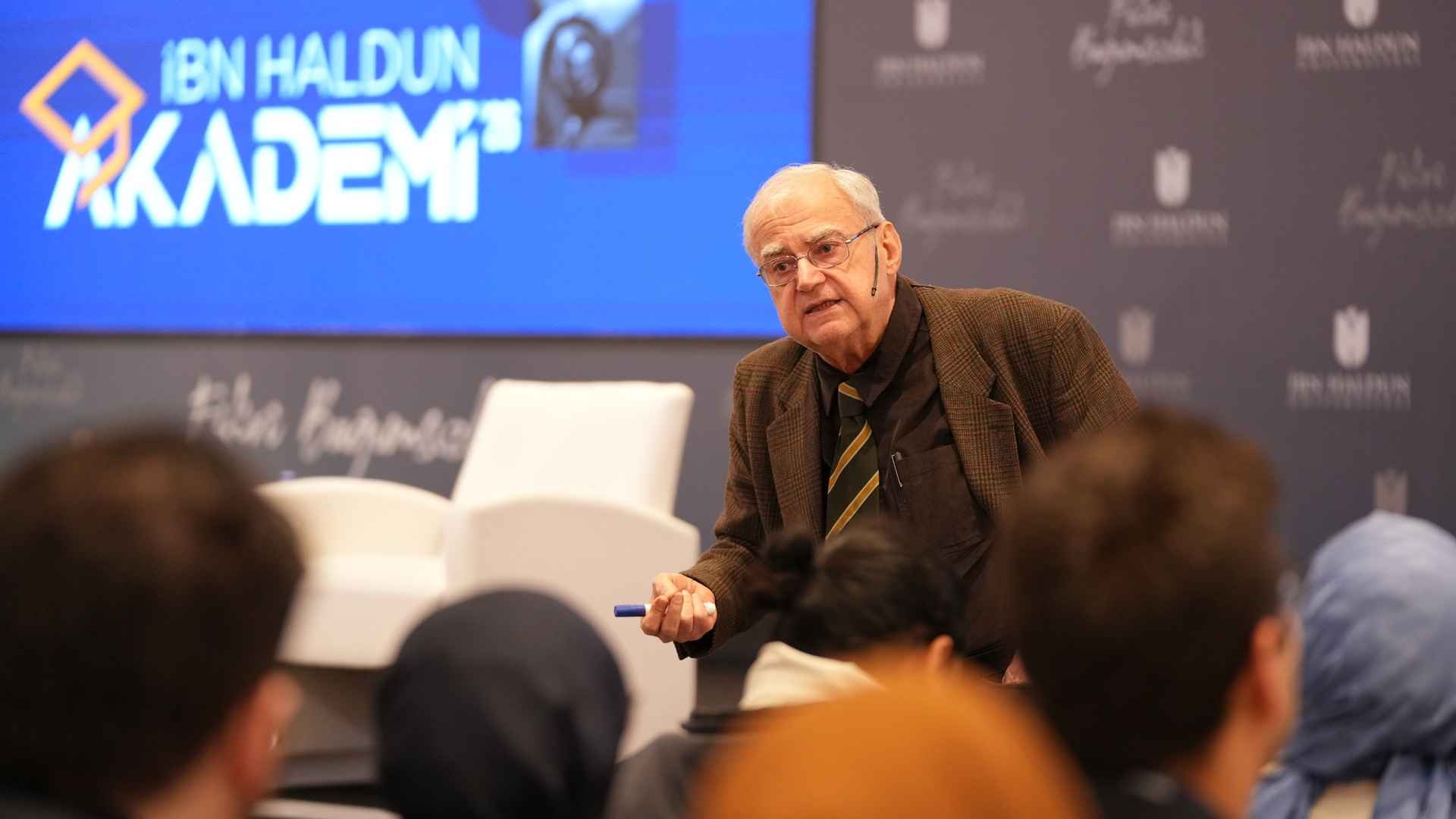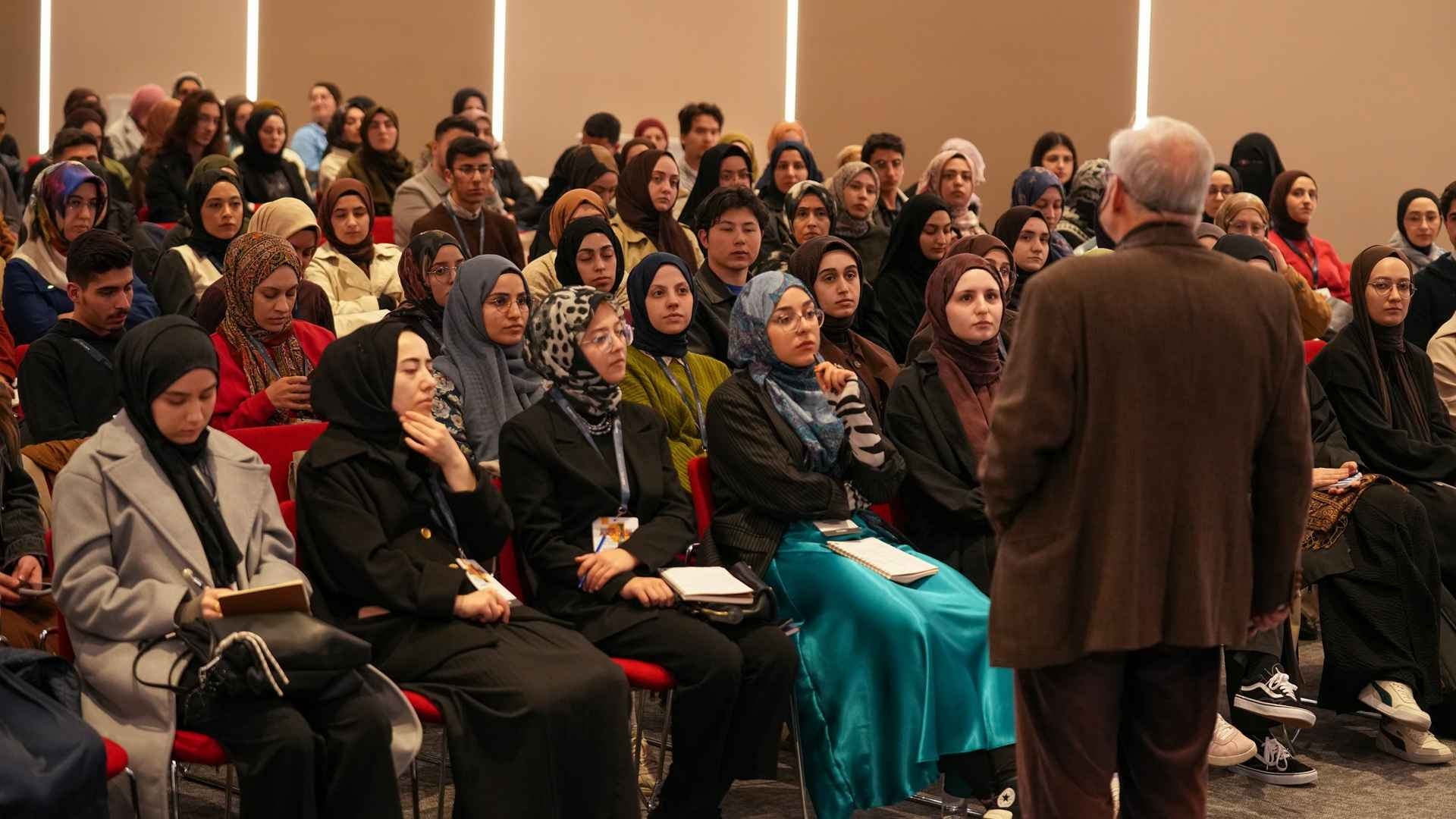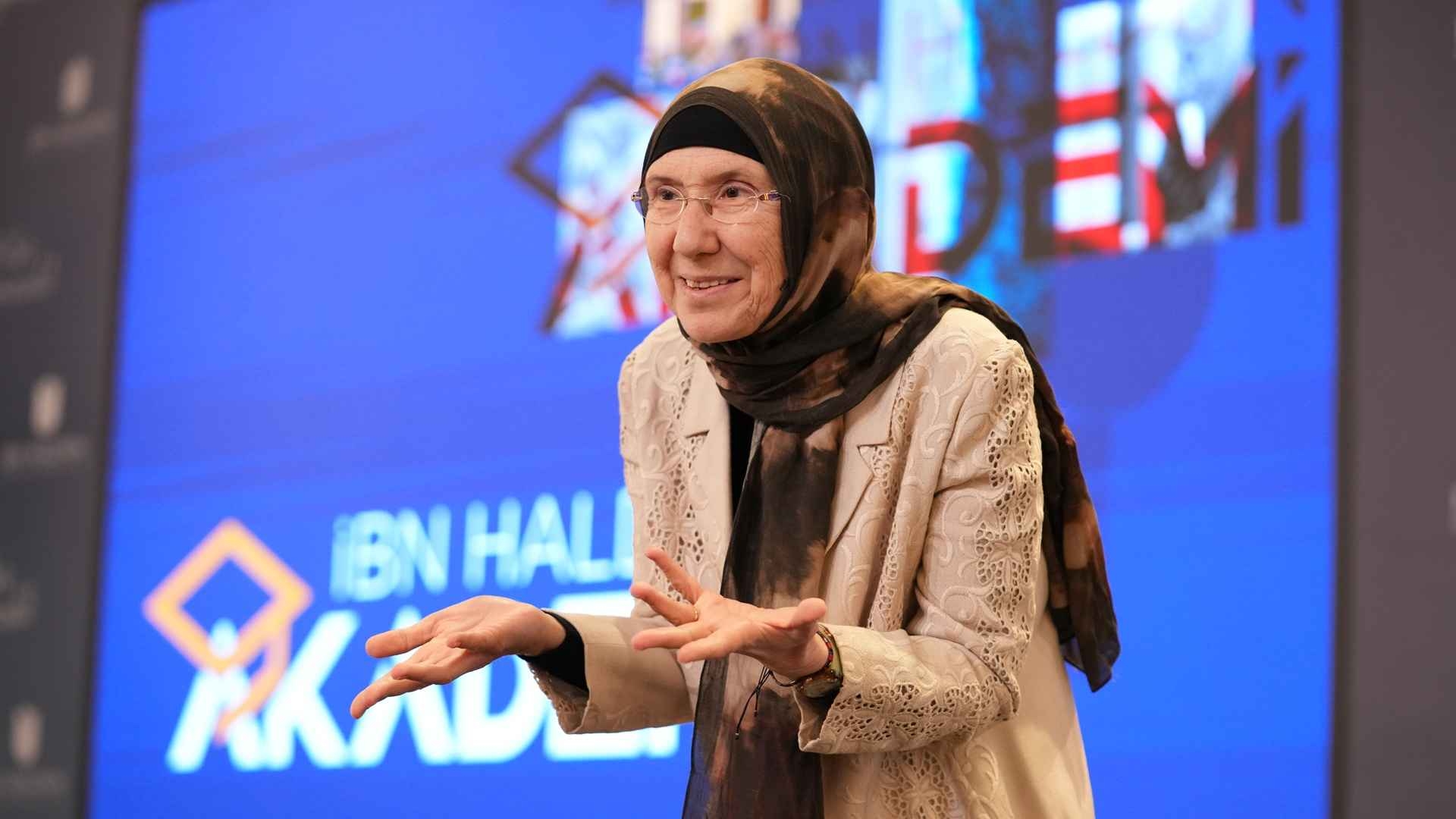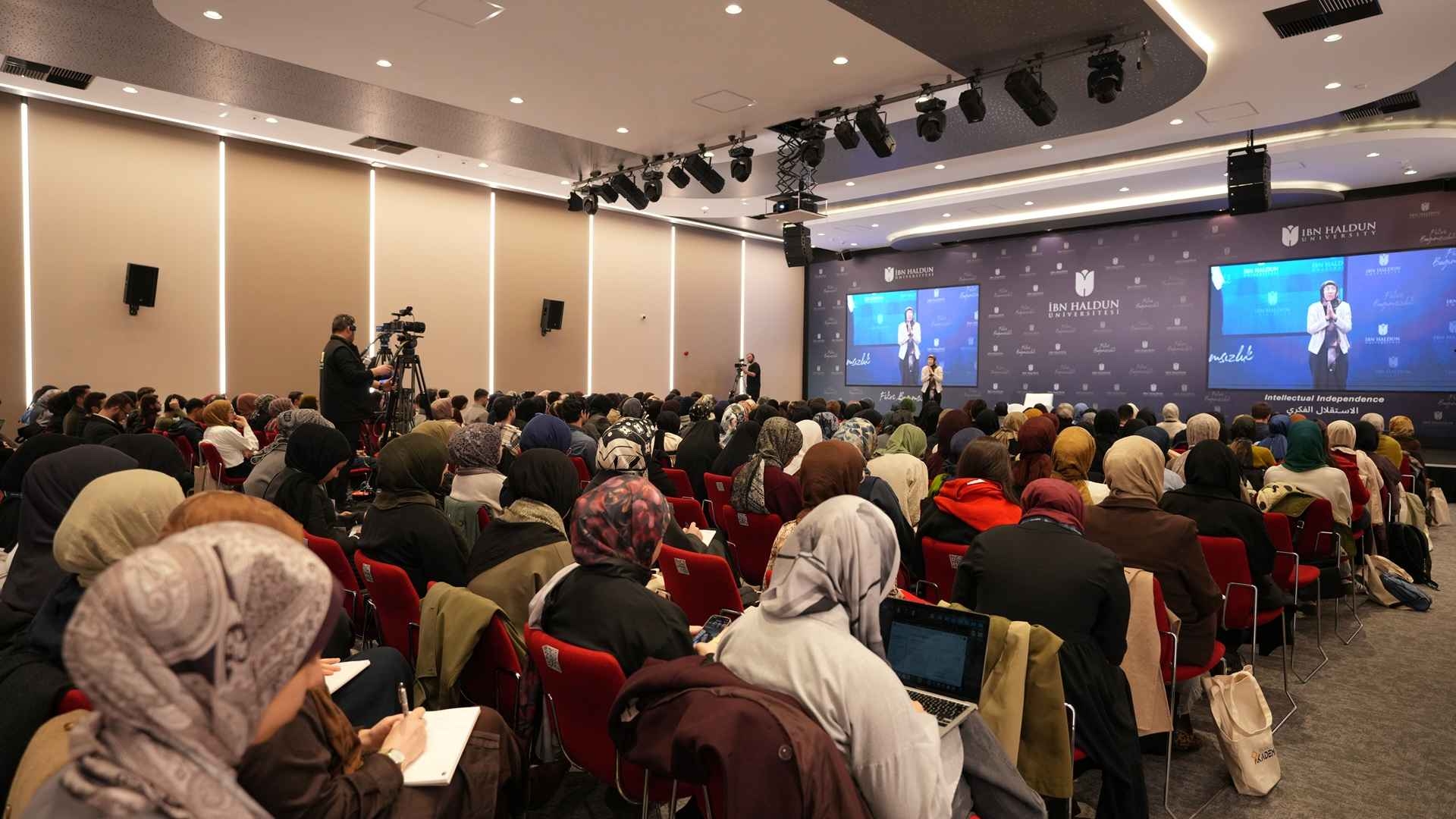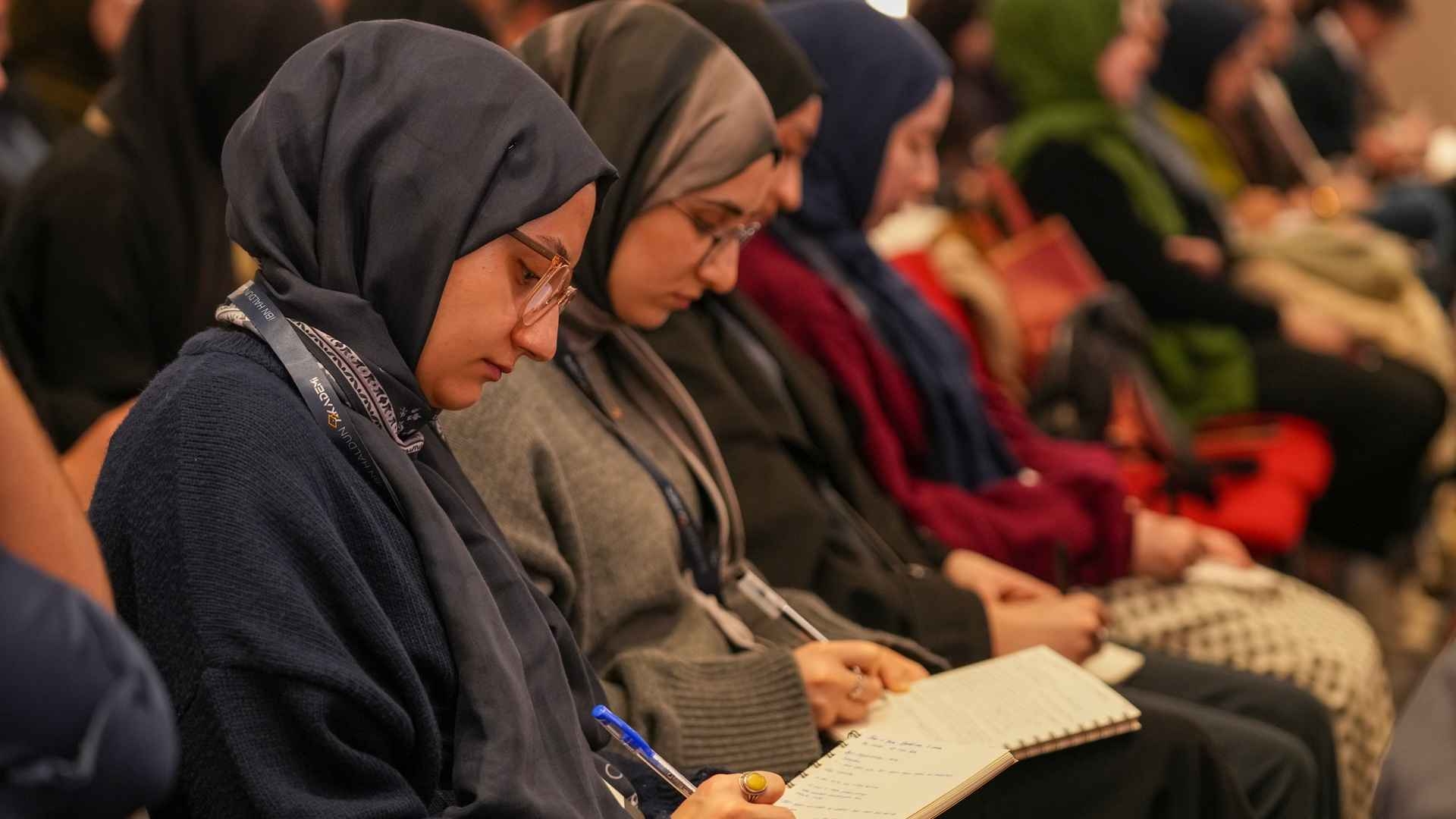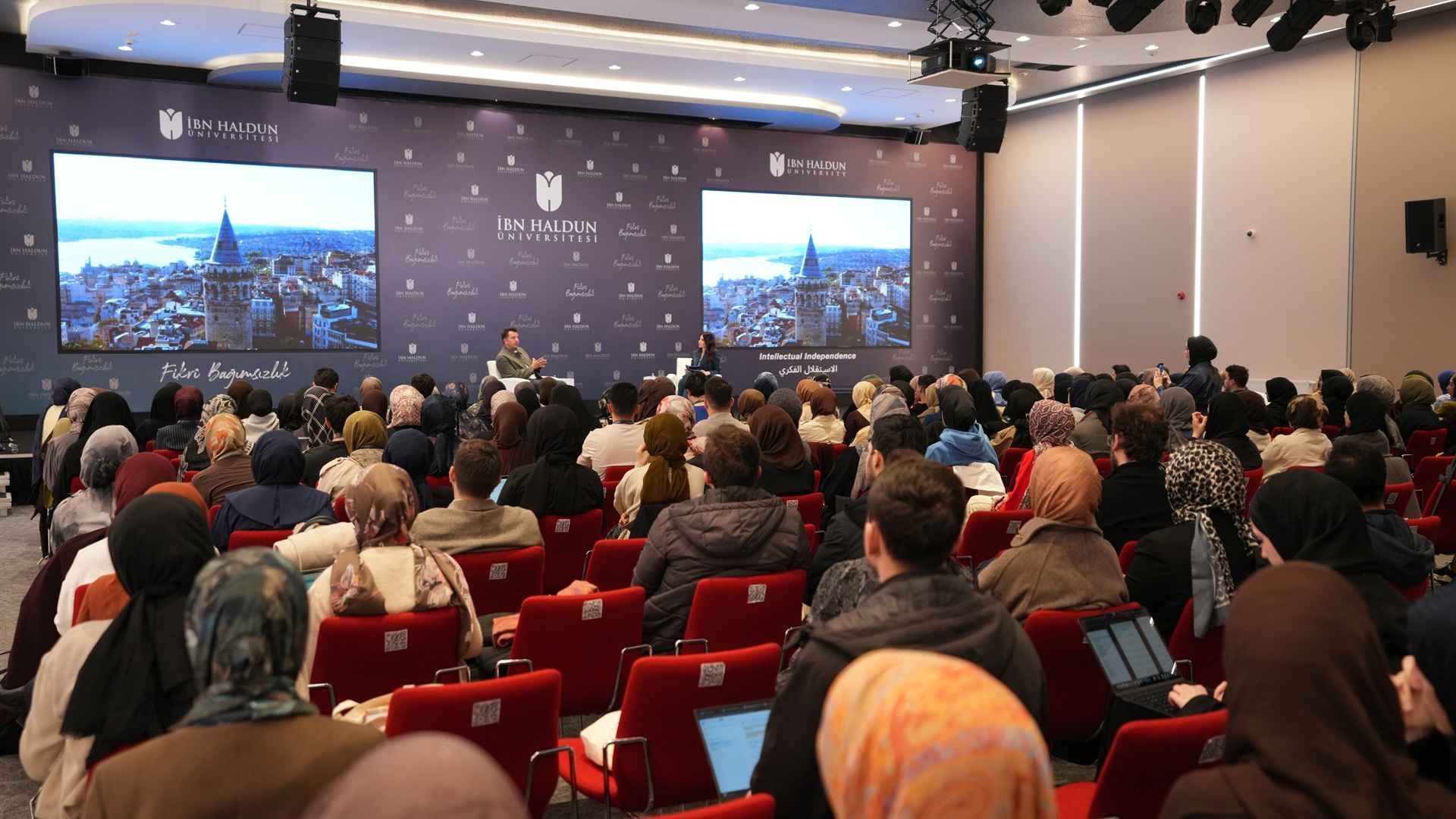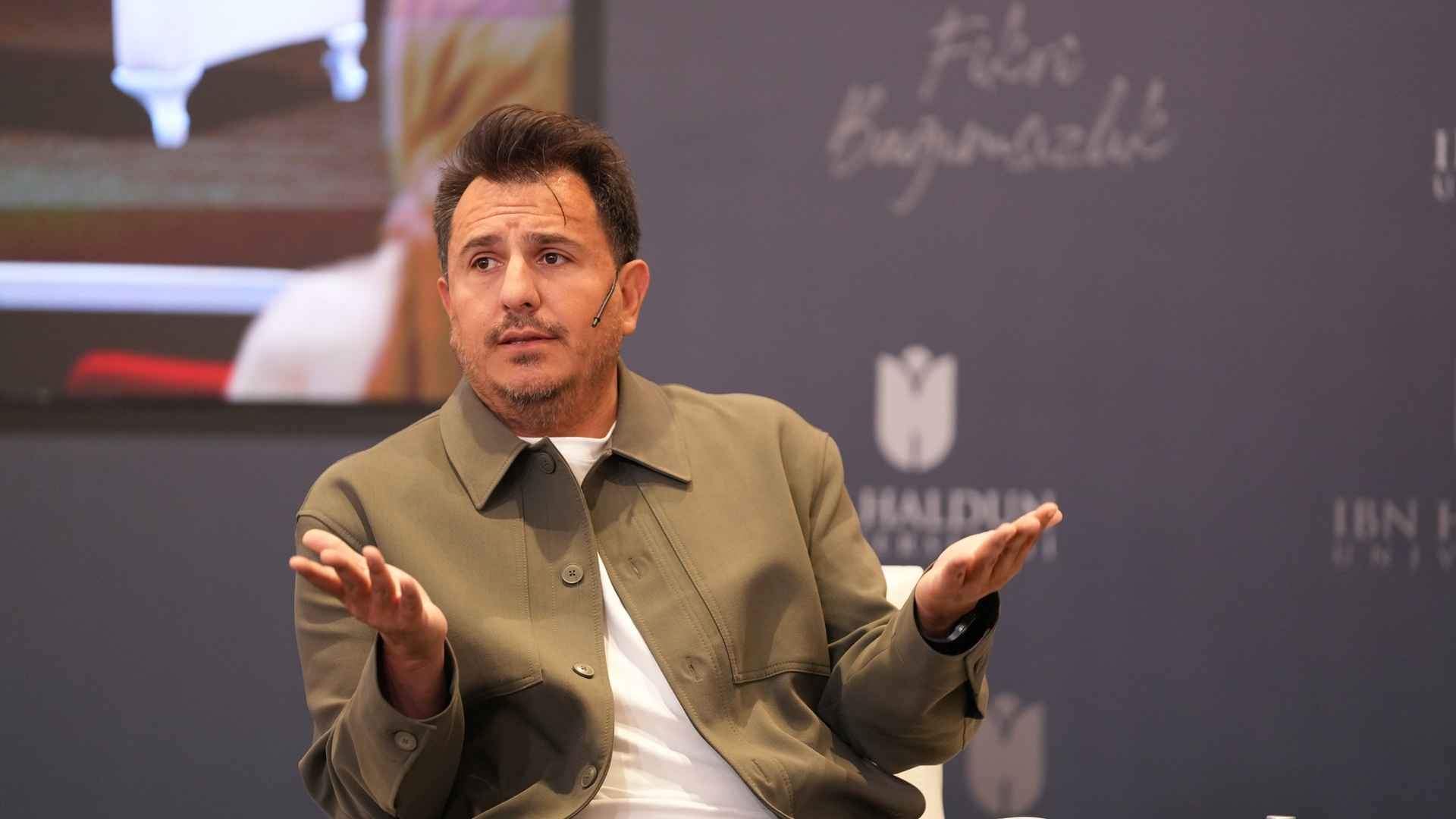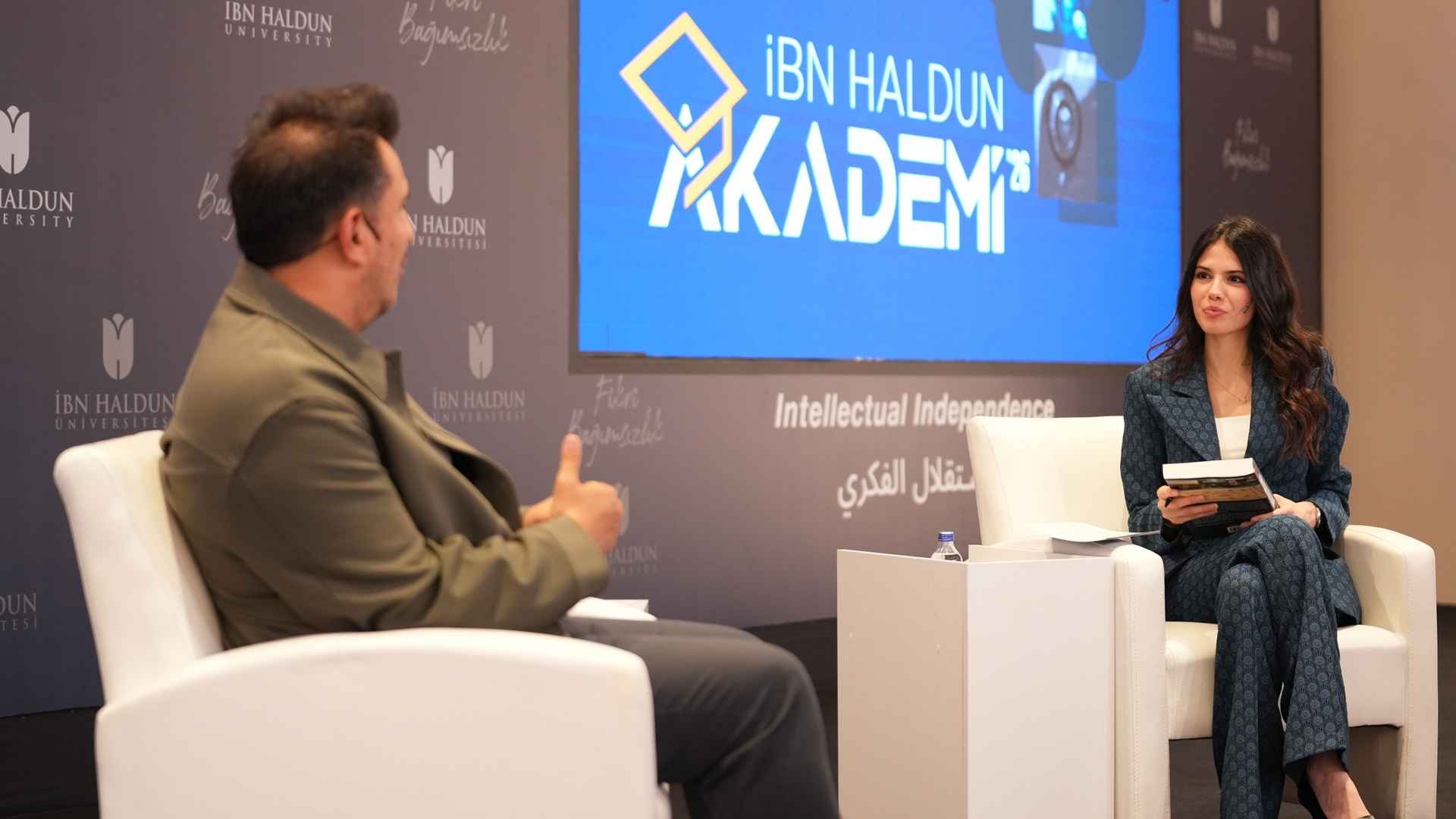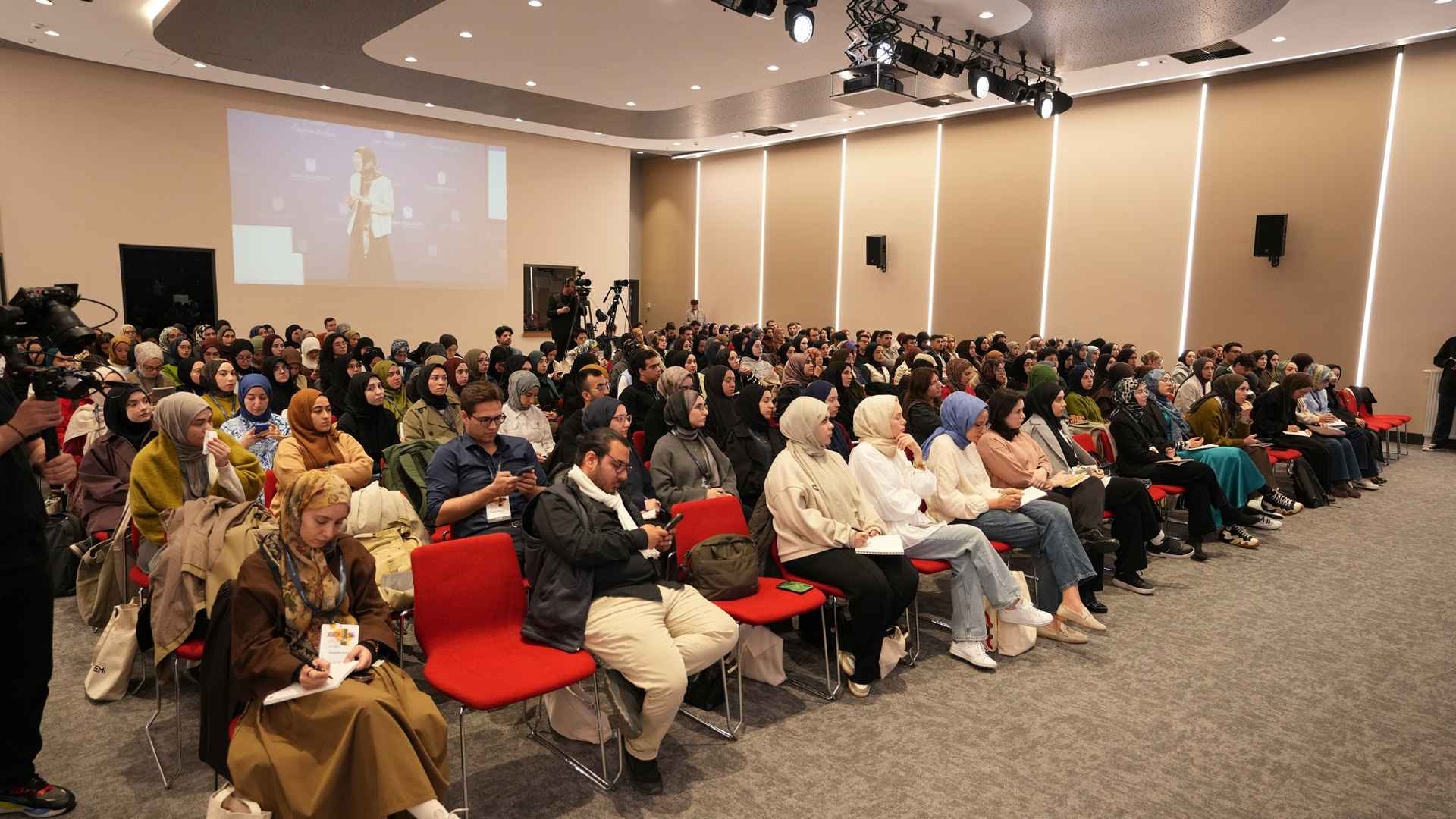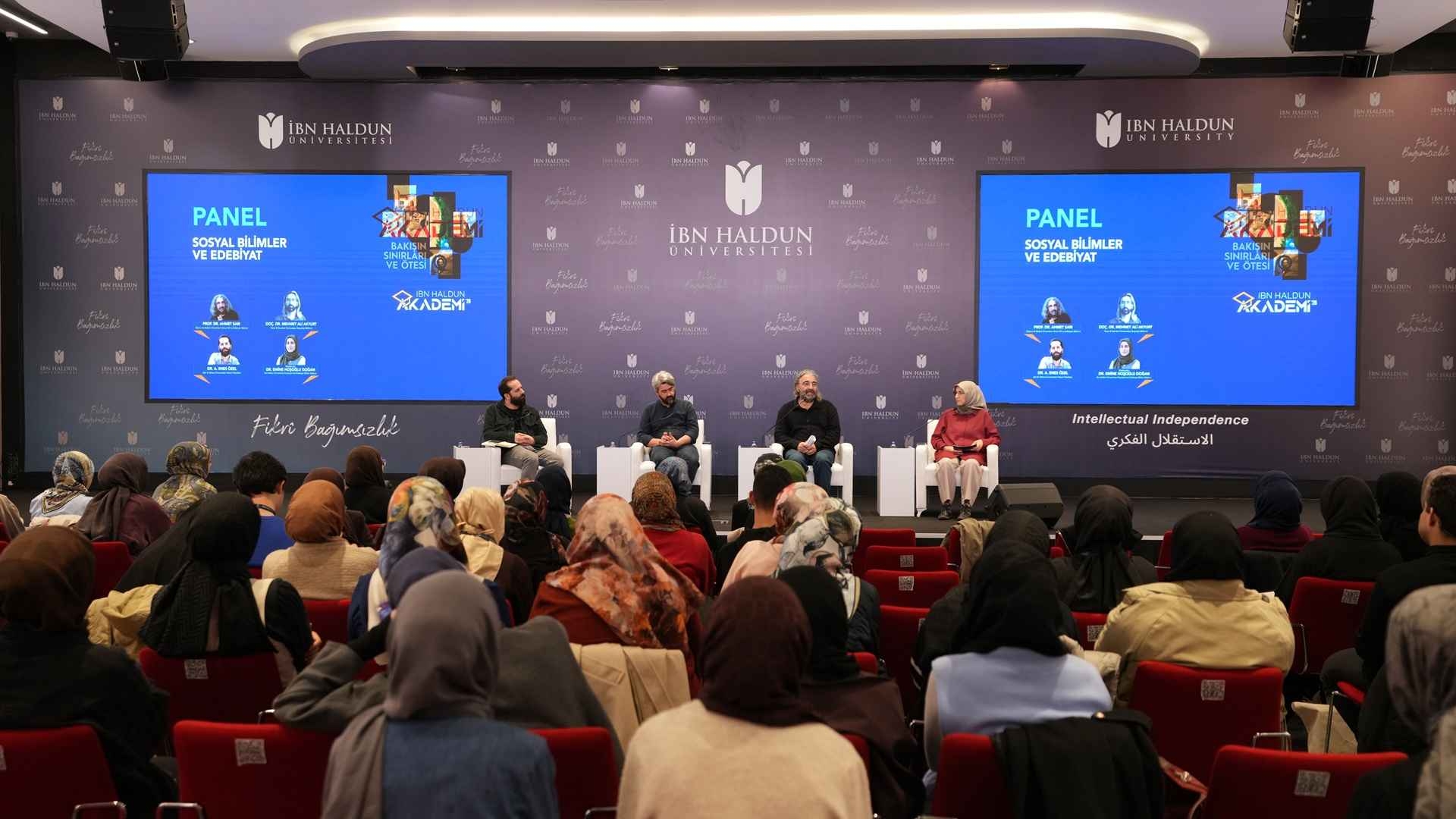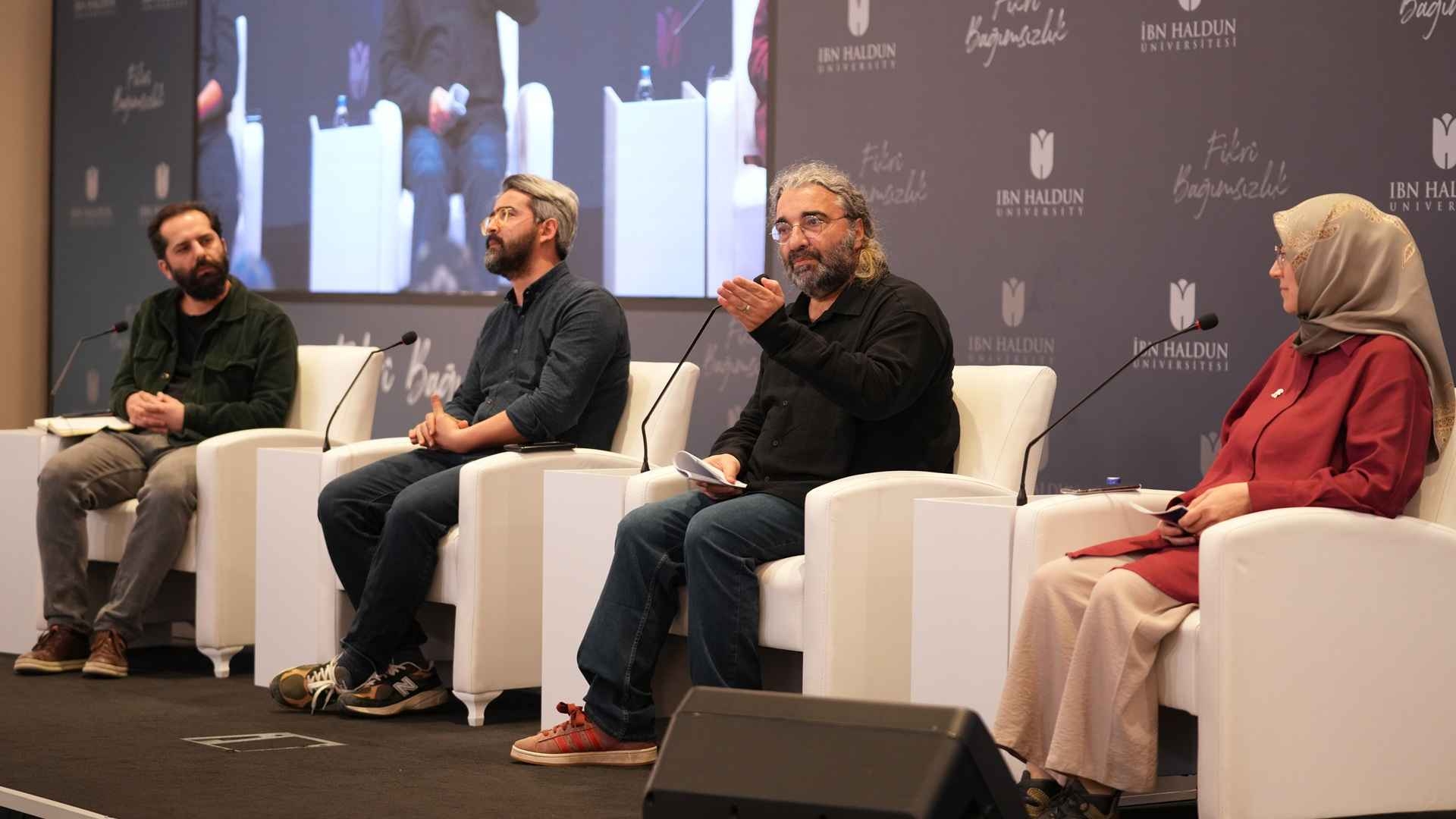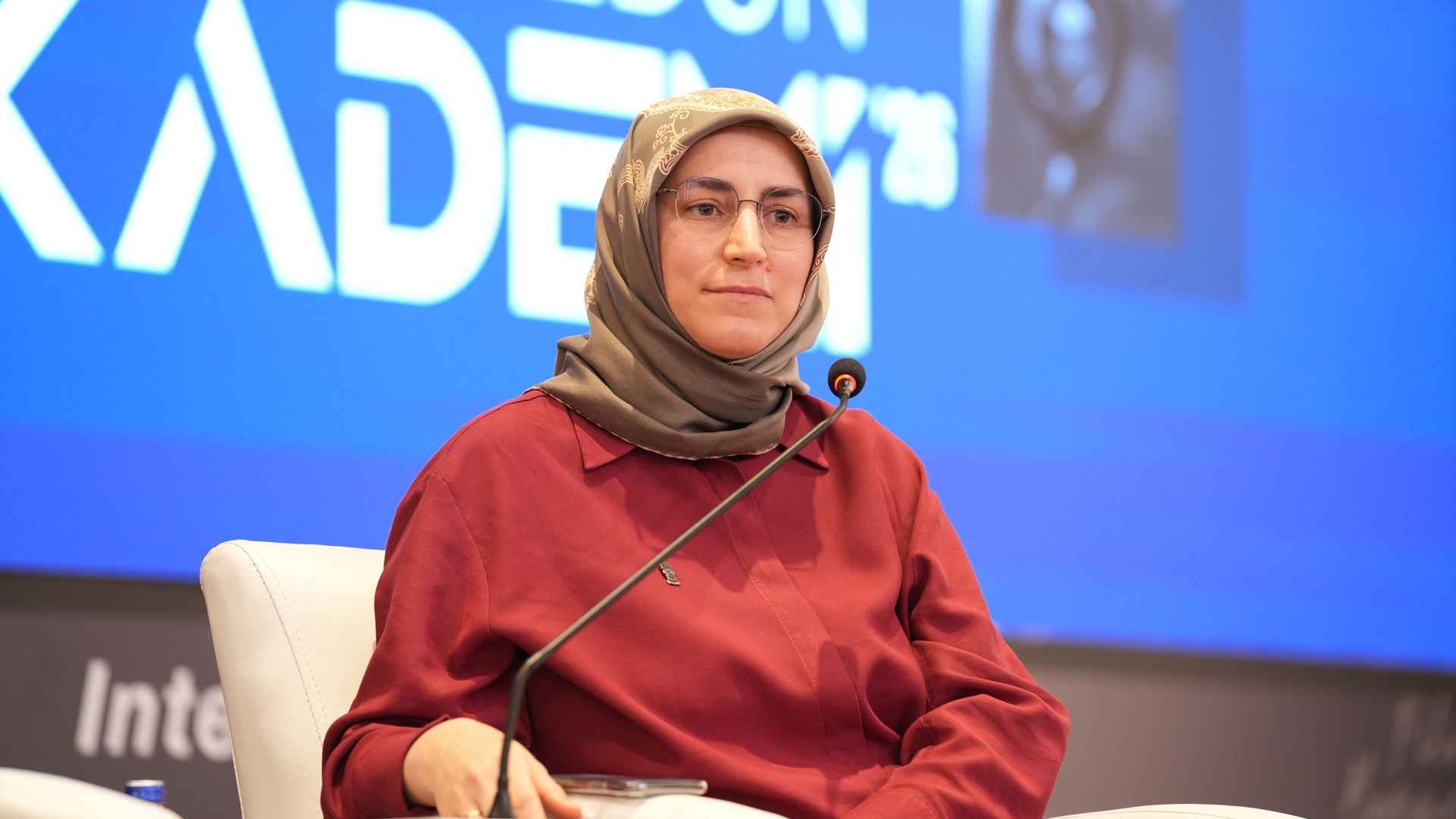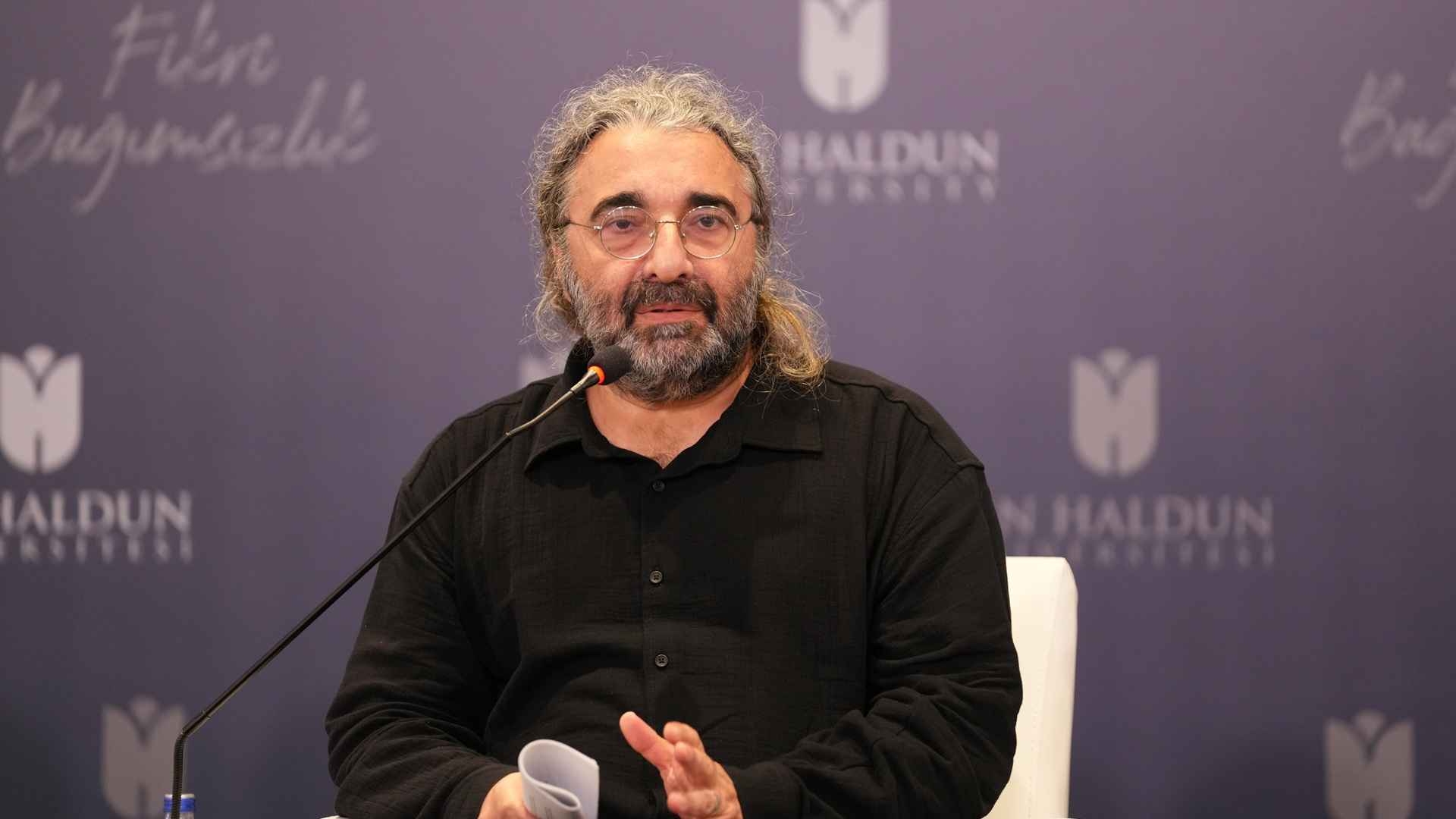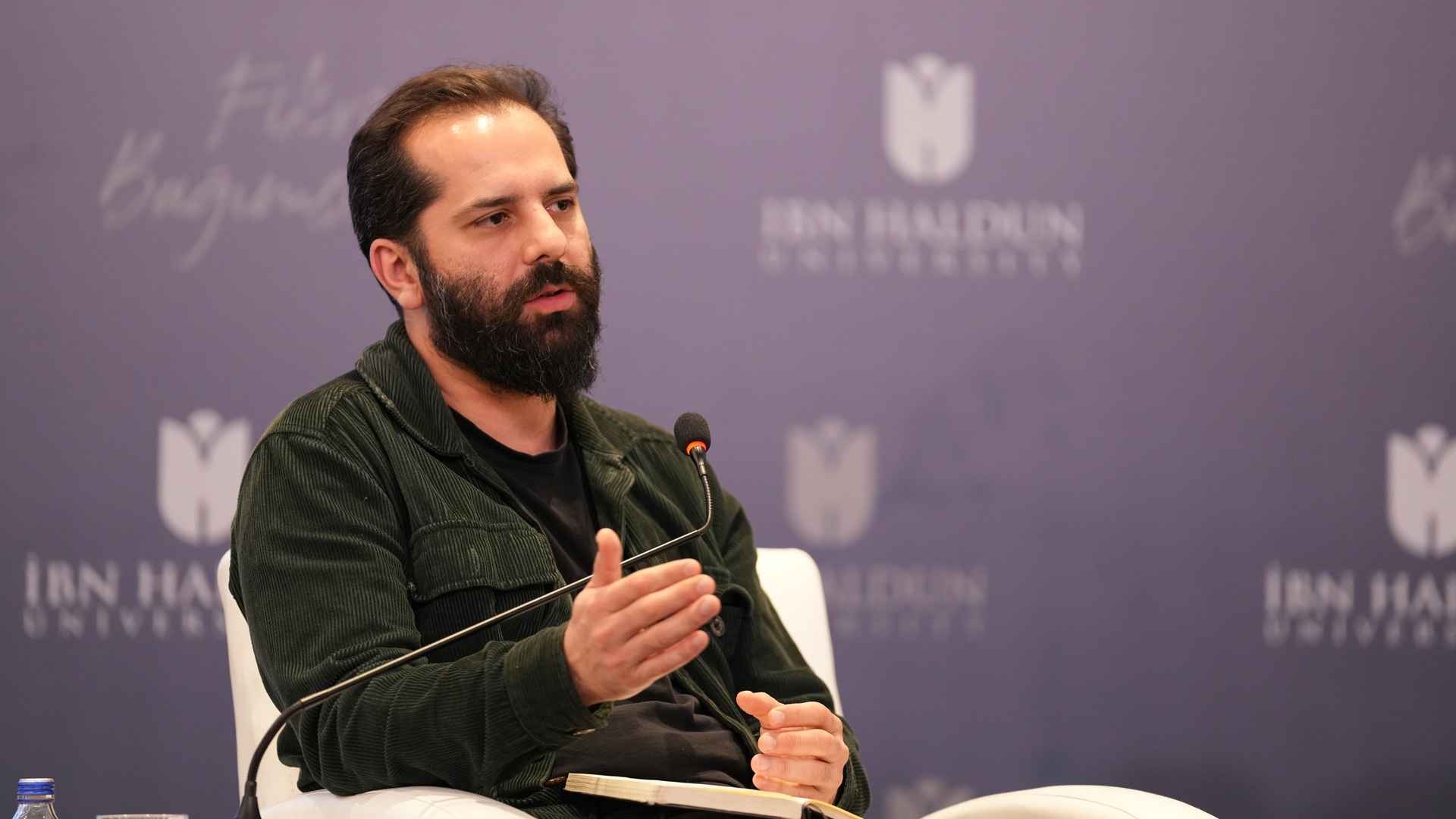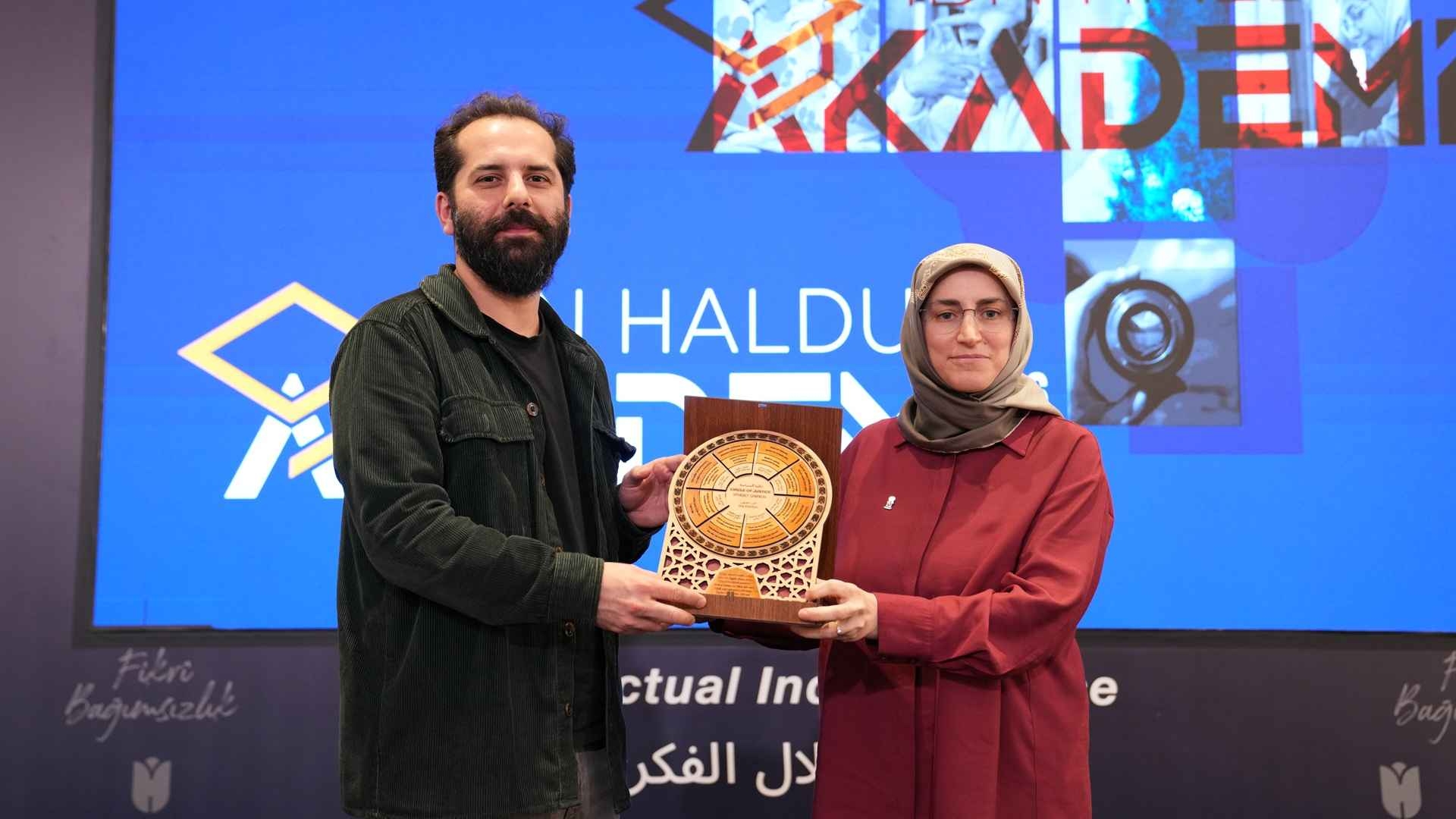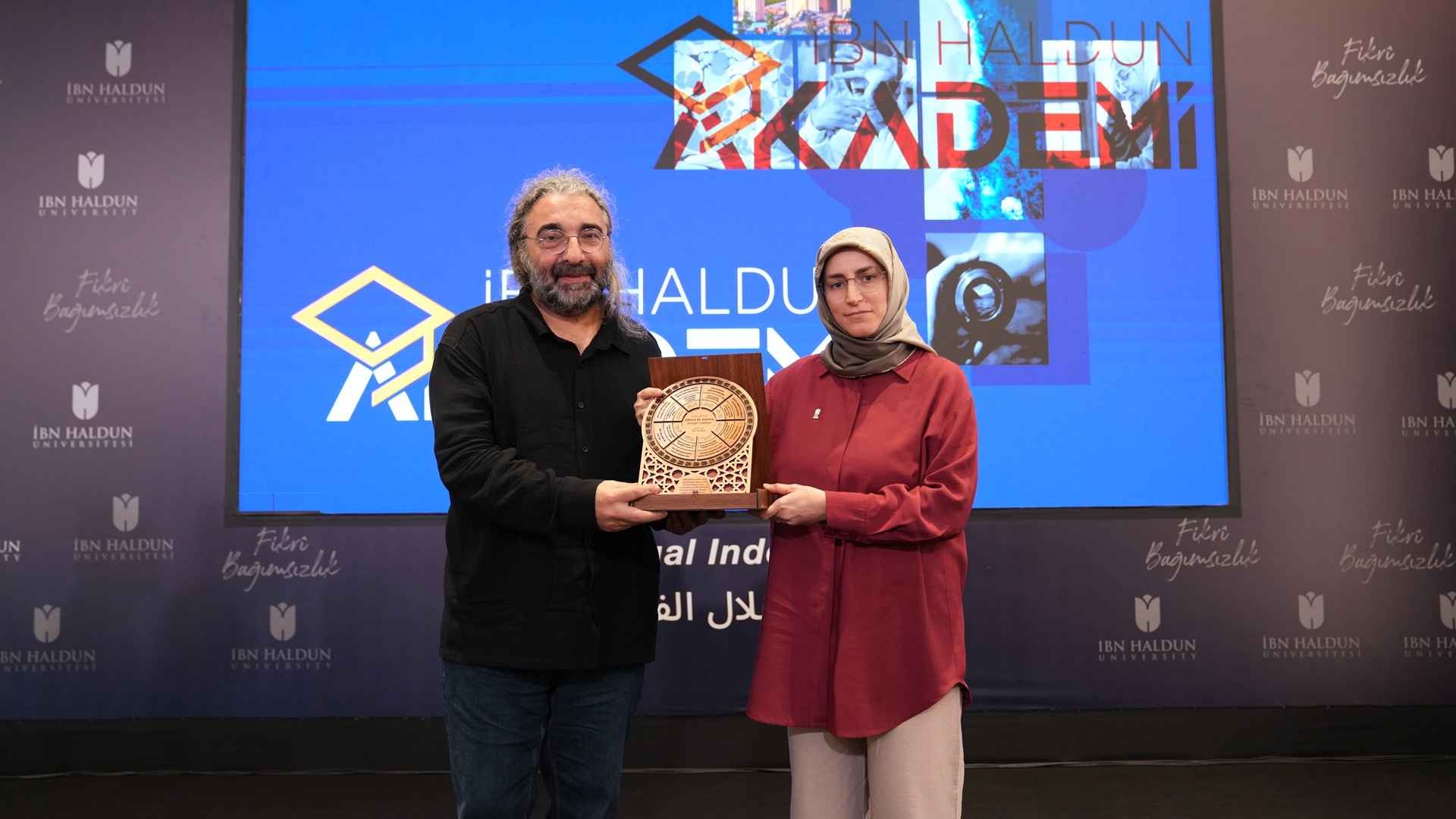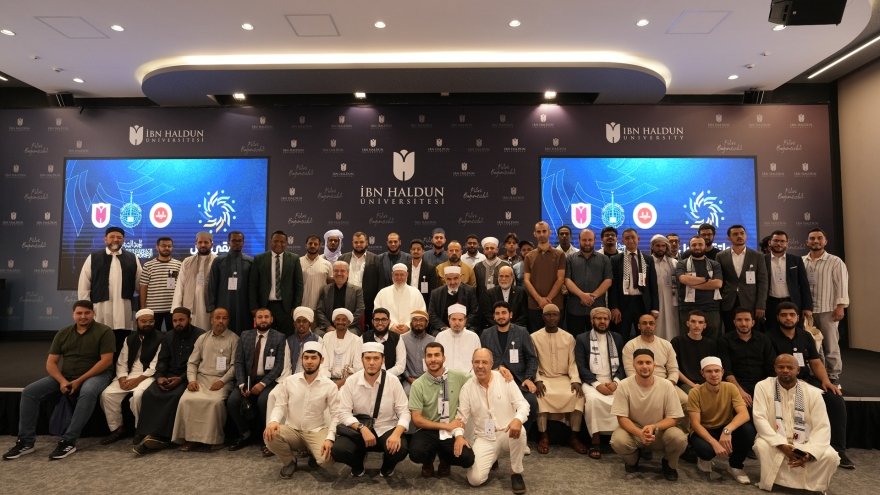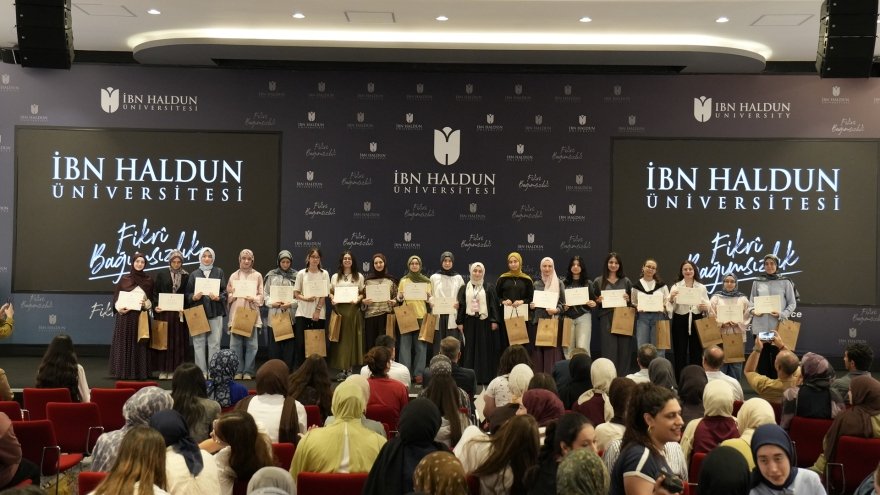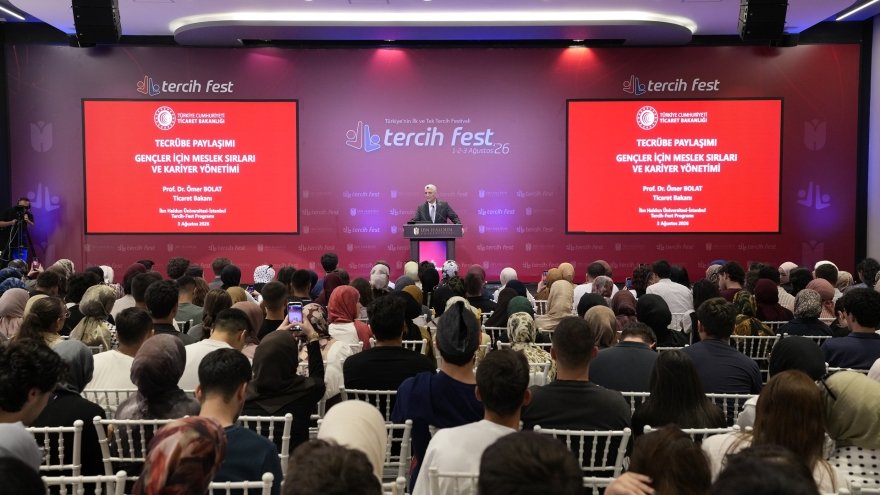
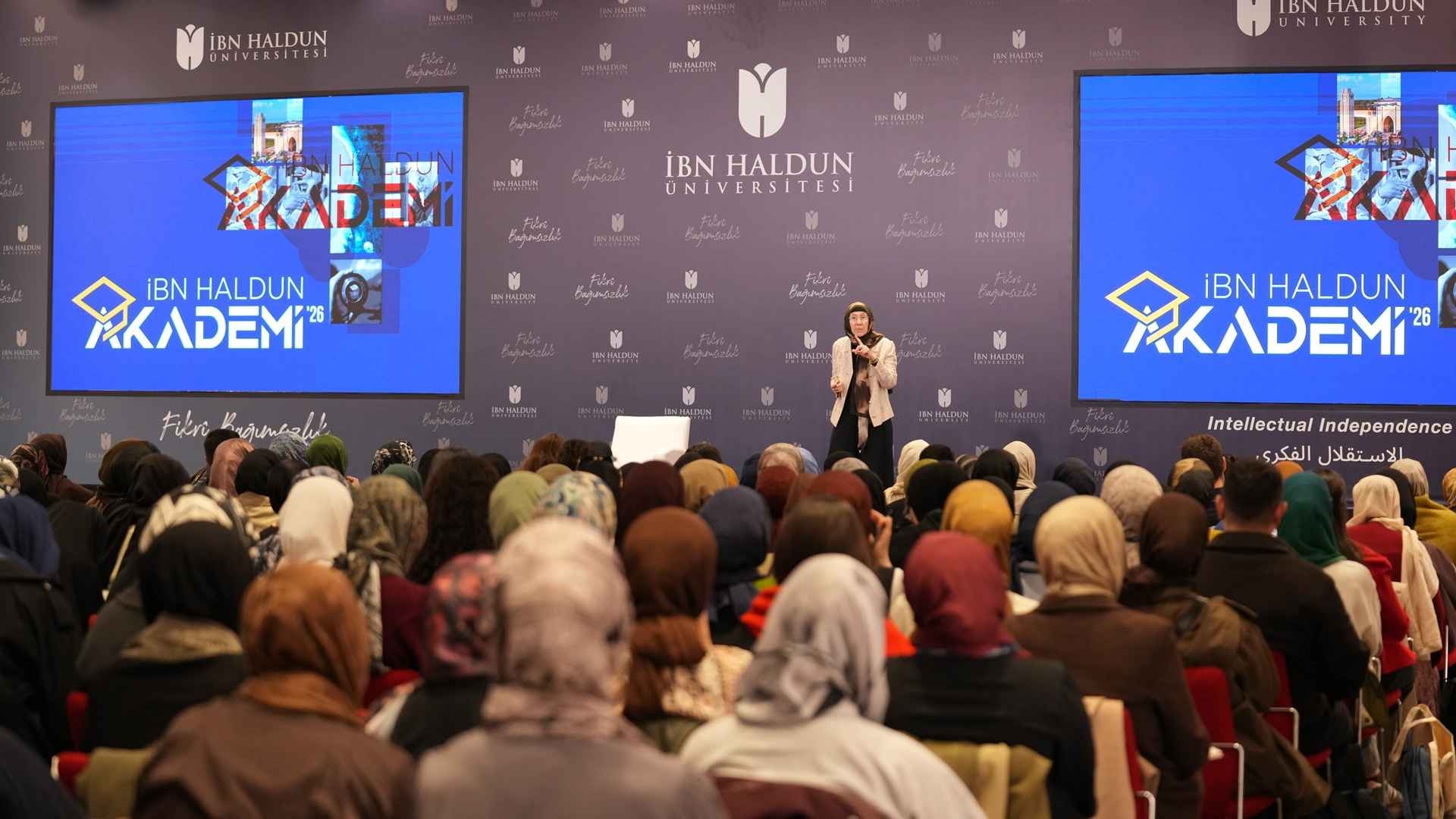
The sessions of Ibn Haldun Academy '26, held on Saturday, April 18, were conducted with the participation of esteemed speakers possessing broad perspectives and a highly engaged audience. Following the seminars by our university’s faculty members, Prof. Halil Berktay and Prof. Alev Erkilet, a conversation was held with the traveler Seymen Bozaslan. The day concluded with a panel moderated by Asst. Prof. Emine Hoşoğlu Doğan, featuring Prof. Ahmet Sarı, Assoc. Prof. Mehmet Ali Akyurt, and Asst. Prof. A. Enes Özel.
Prof. Halil Berktay illustrated how history can be interpreted through the lens of contemporary political ideologies, focusing on methods that pique his interest in Medieval historiography. Emphasizing concepts such as imperialism, capitalism, feudalism, and underdevelopment, our speaker explored the "Asiatic Mode of Production" and examined the underlying reasons for the relative backwardness of certain nations. Reminding us of the essential nature of science, he stated: "Science is never developed merely by piling truths upon one another; it progresses cumulatively through the correction of errors".
In the second session of her seminar titled "Cultivating Wisdom in Perception and Interpretation", Prof. Alev Erkilet discussed the journey toward truth, the merit of knowledge, and the process of discovery centered around the concept of wisdom. Drawing upon Ibn Khaldun’s multi-layered methodology, she emphasized the significance of the quest for knowledge and wisdom without bifurcating Islamic and worldly sciences.
Traveler Seymen Bozaslan is a distinguished man of culture who traced and photographed the travel routes of Evliya Çelebi. In his talk titled "What If Evliya Çelebi Had Taken Photographs?", Bozaslan reflected on viewing the world through the famous traveler’s perspective. He spoke of the beauty of communicating with local populations, engaging in authentic experiences in visited locations, and listening to the stories of the people.
In the final session of the day, the panel on "Literature and Social/Human Sciences", Prof. Ahmet Sarı shed light on the relationship between literature and philosophy, referencing authors and philosophers of particular interest. Sharing his affinity for Franz Kafka and Ahmet Hamdi Tanpınar, he continued his discourse through the works of Camus and Sartre, who produced both literary and philosophical oeuvres.
Assoc. Prof. Mehmet Ali Akyurt described literature as "intensified life", noting that a comprehensive look into other lives through literature awakens new curiosities. He reminded the audience that literature serves academics not only through methodological and conceptual density but also by aiding in the selection of subjects and fields, as it is rooted in life itself.
Asst. Prof. A. Enes Özel emphasized the interdisciplinary relationship between literature and other fields, notably law. He stated that just as one must gain a foundation by engaging with various scientific disciplines, one must also hold onto literature by participating in it from some vantage point. He stressed that literature is sustained by passion and curiosity.
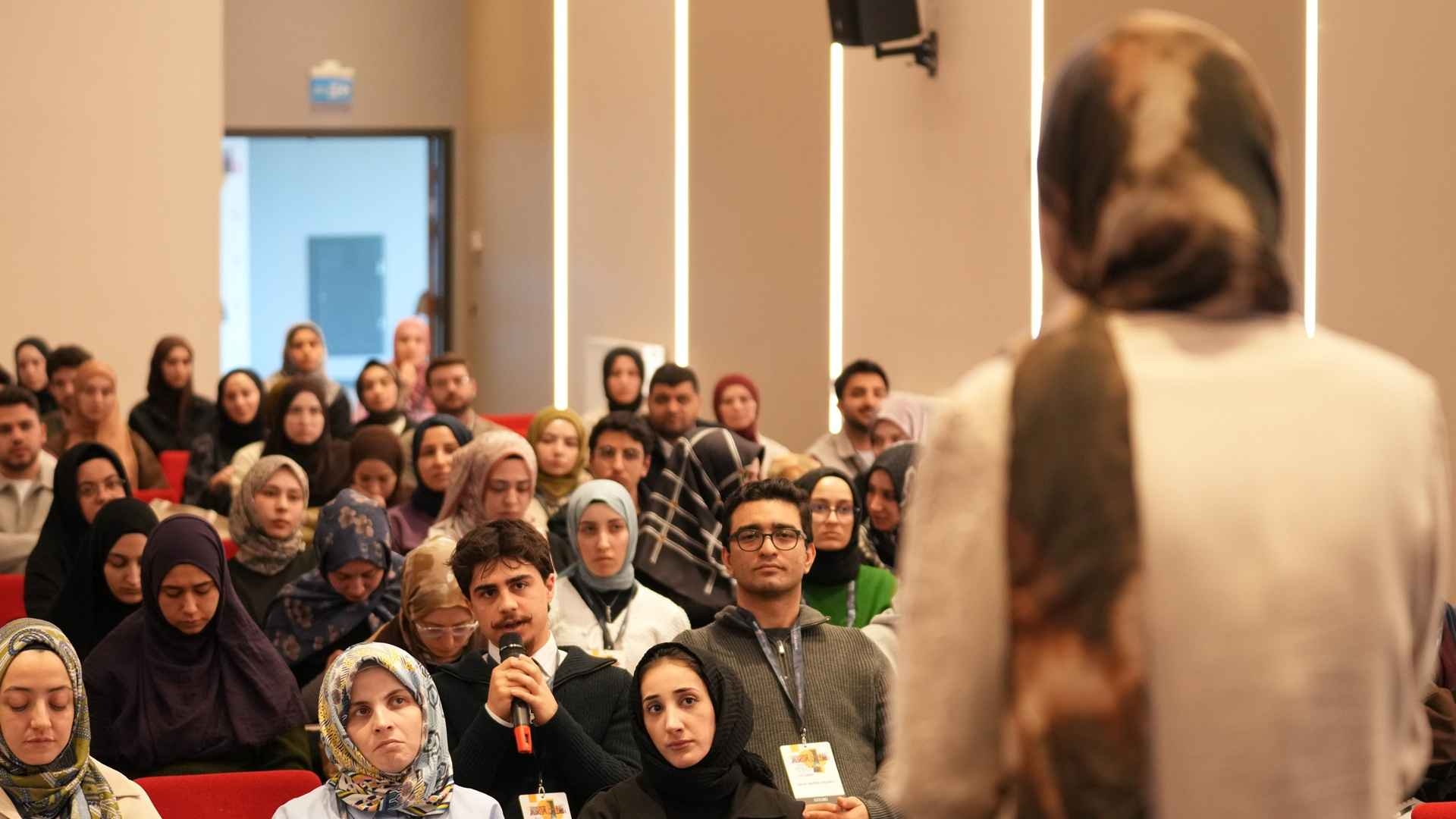
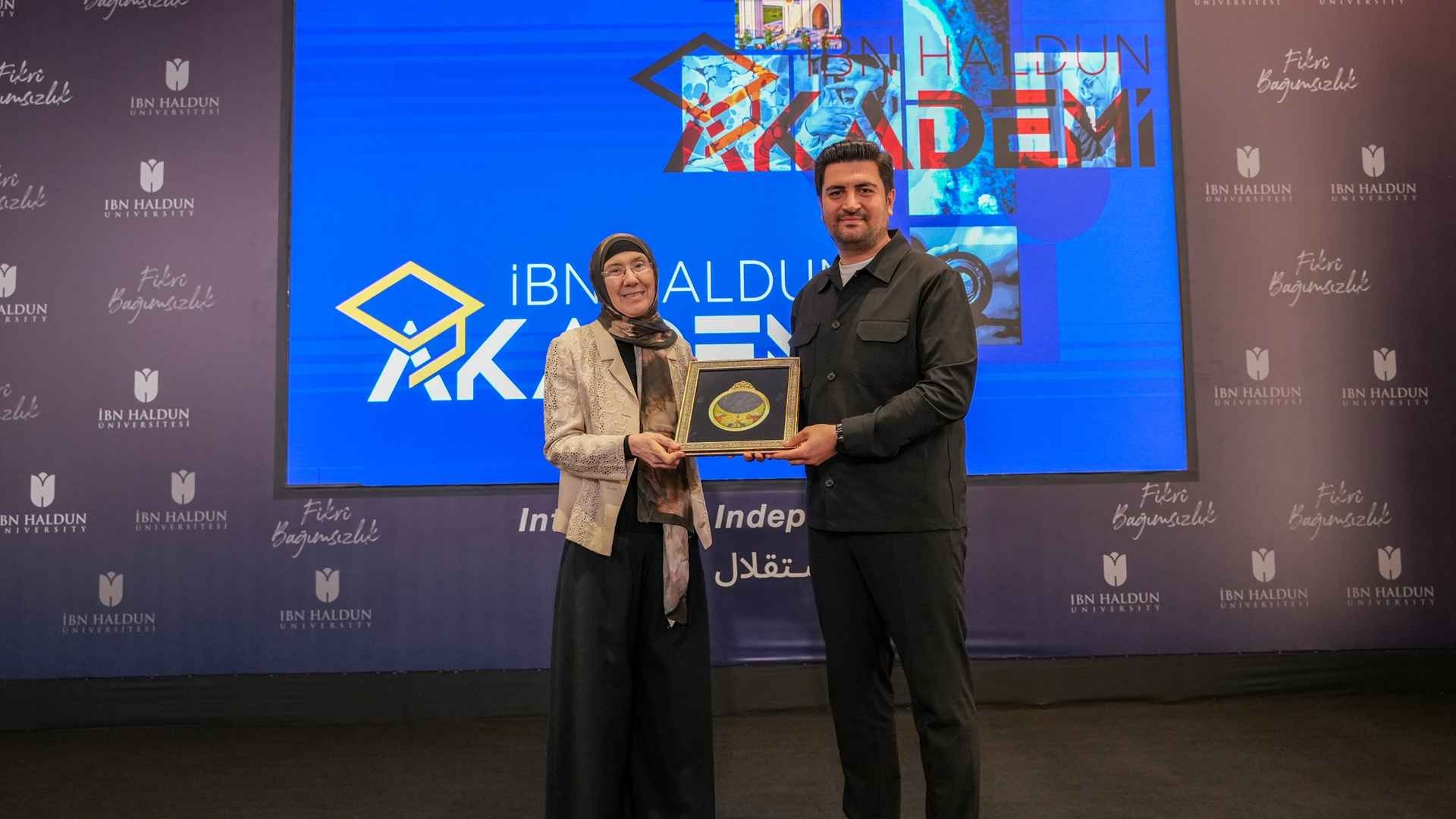
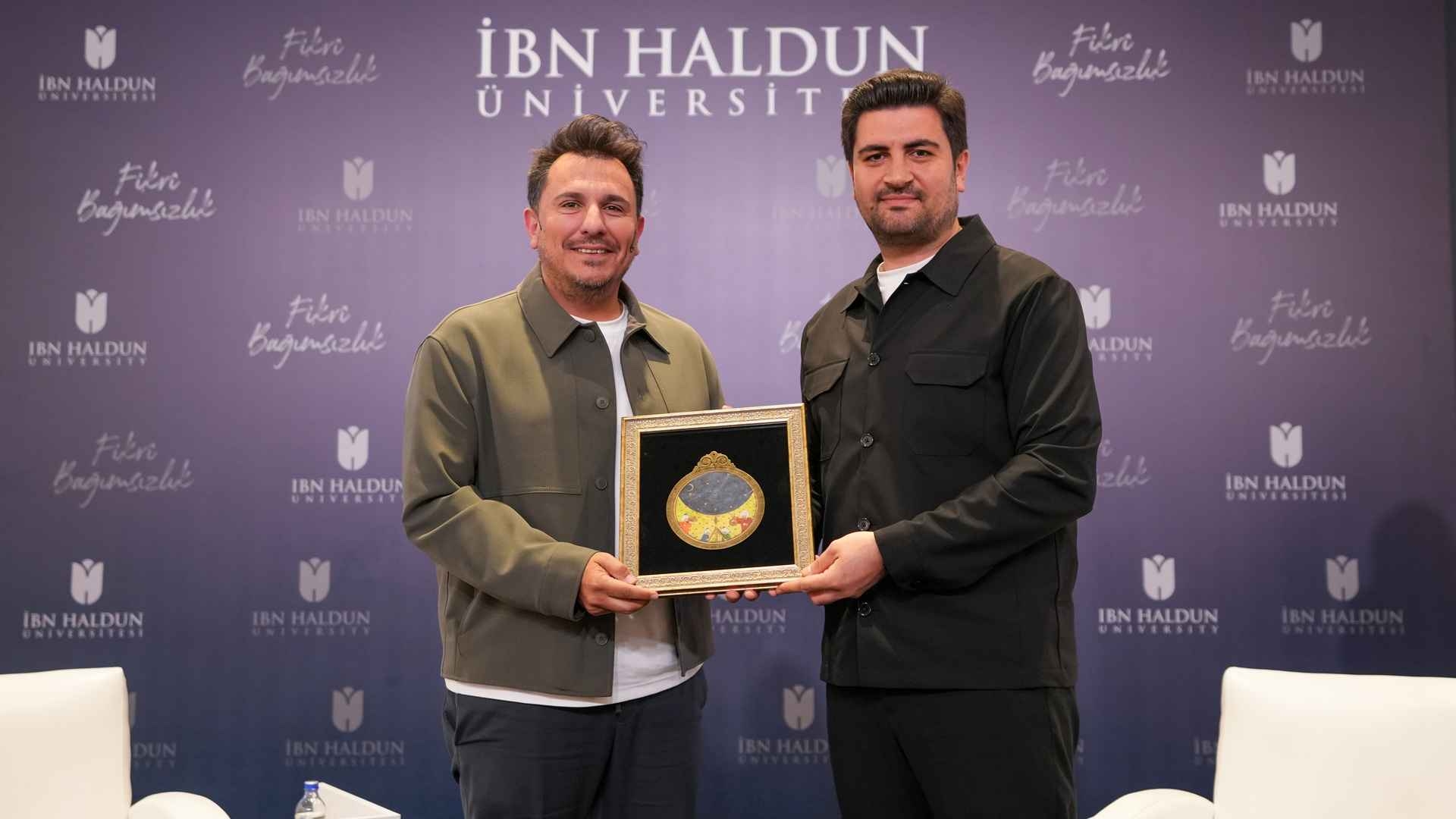
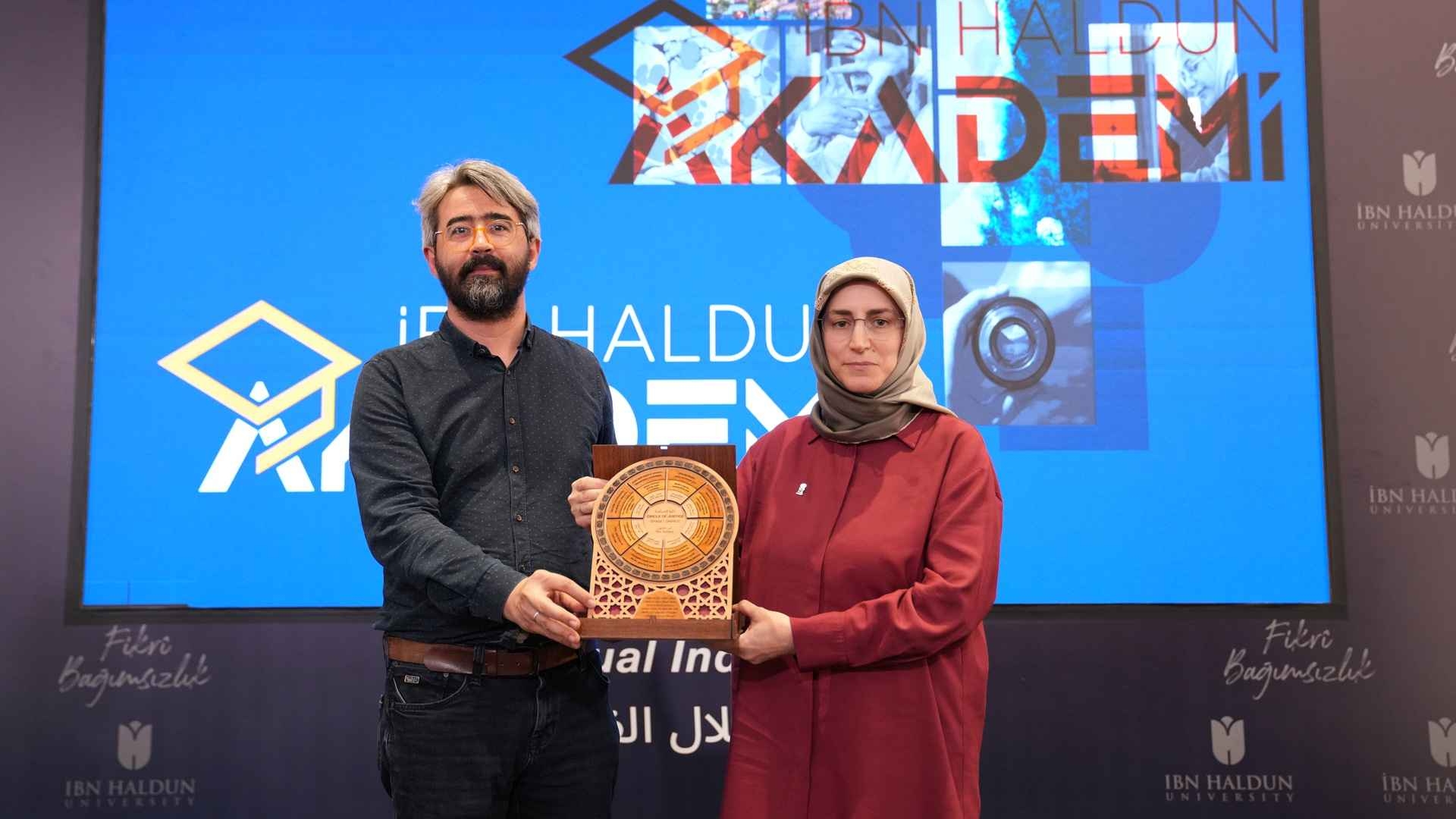
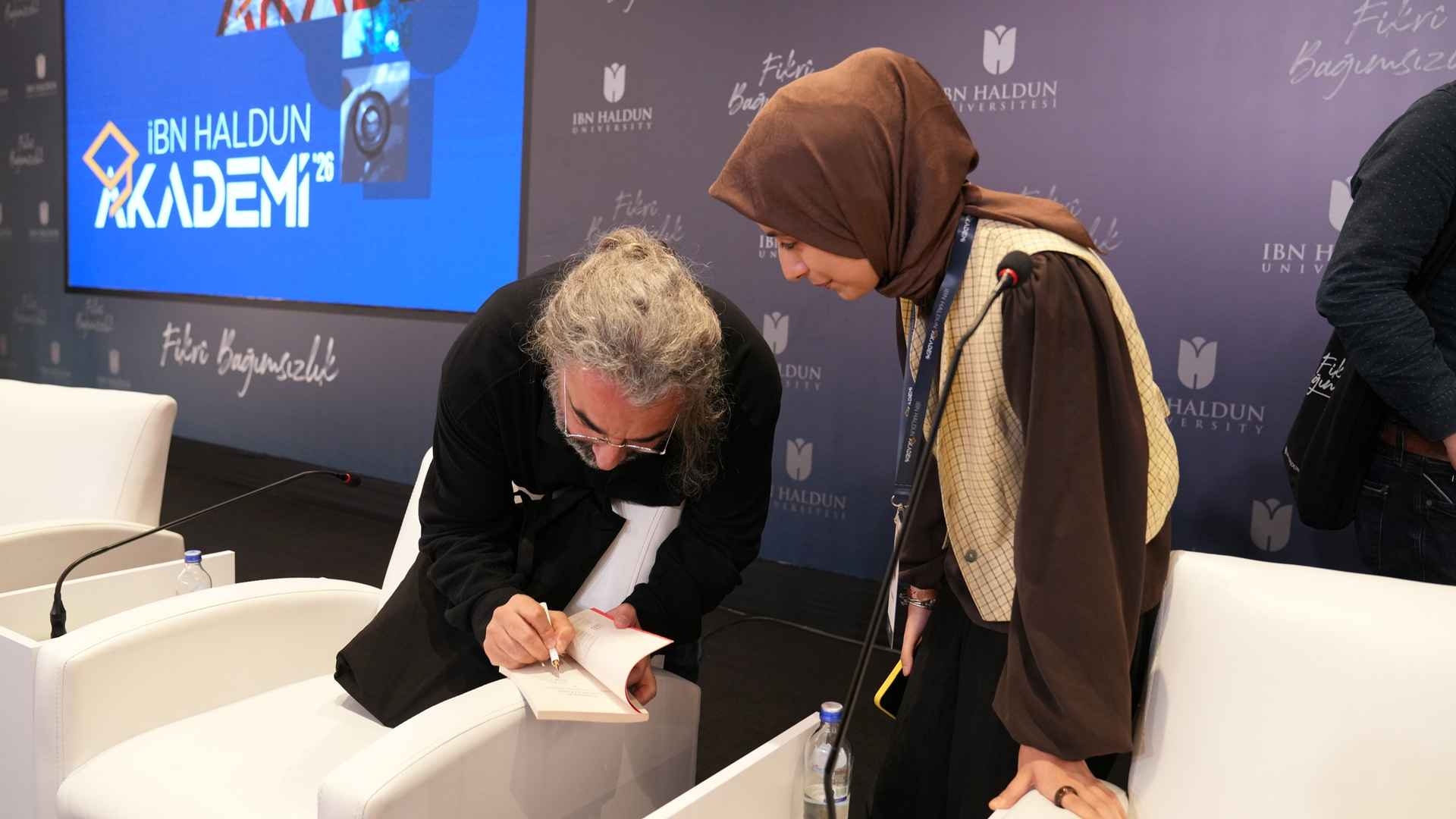
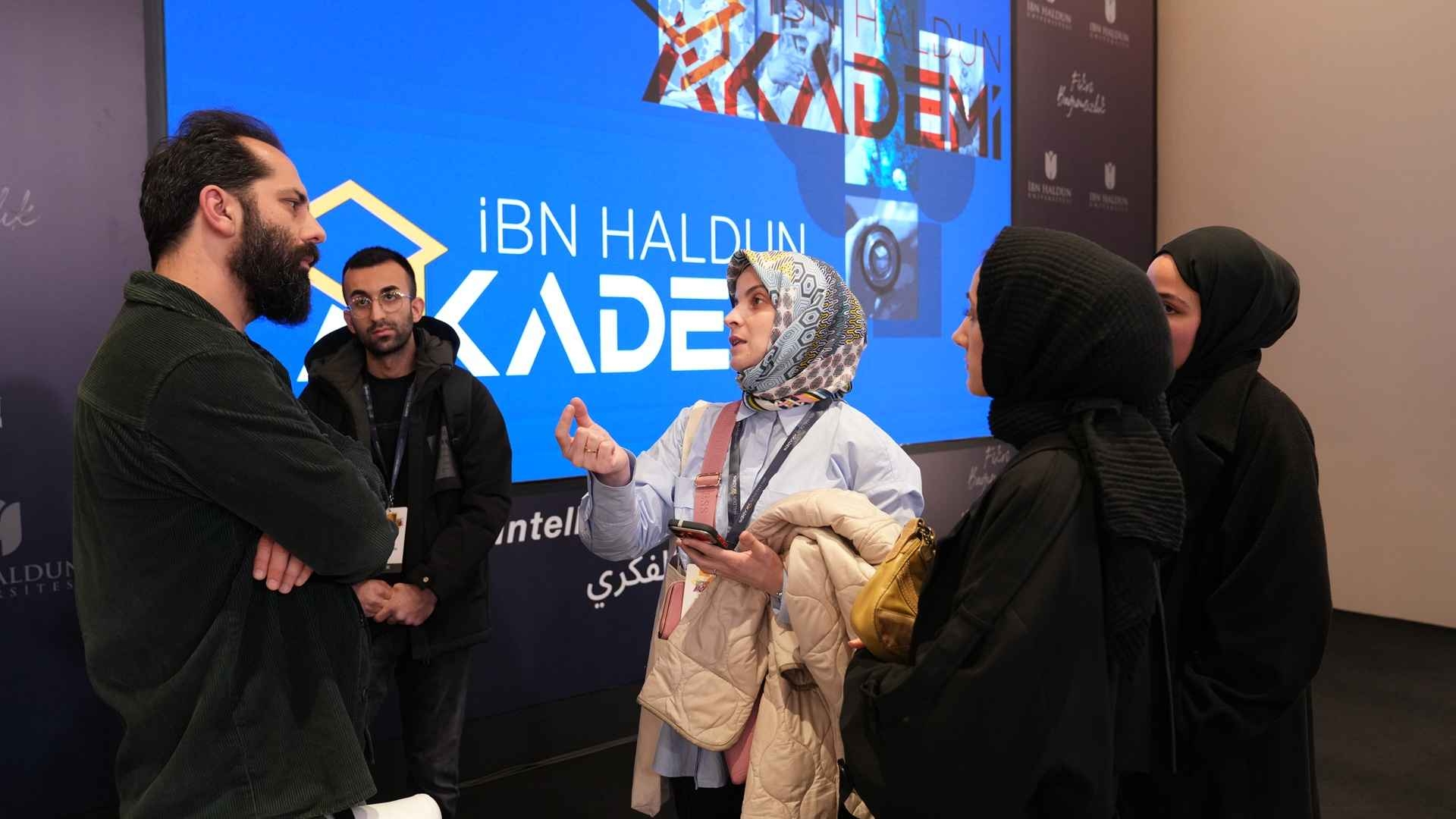
Each session of the day concluded with a Q&A segment and the presentation of gifts.