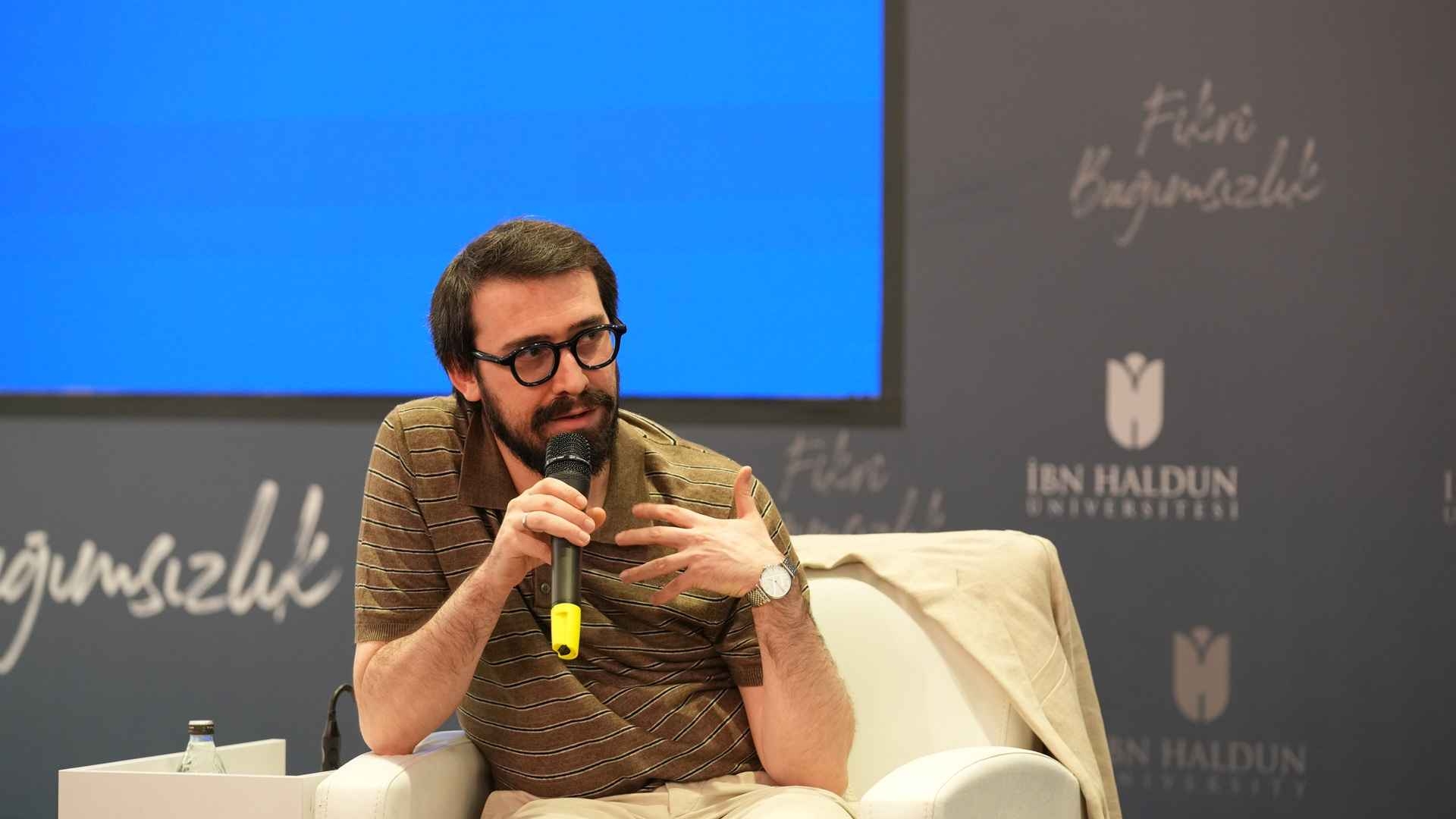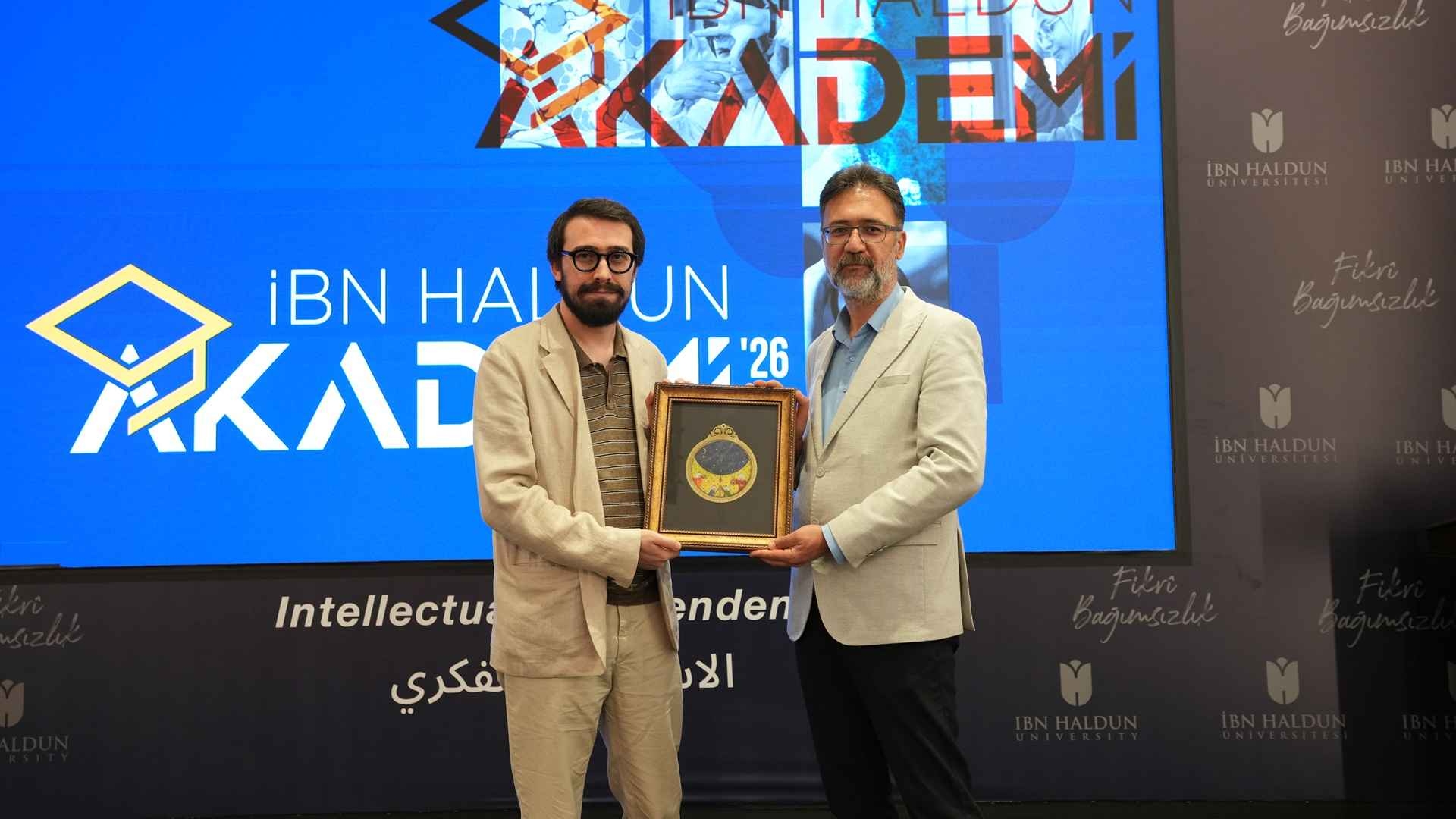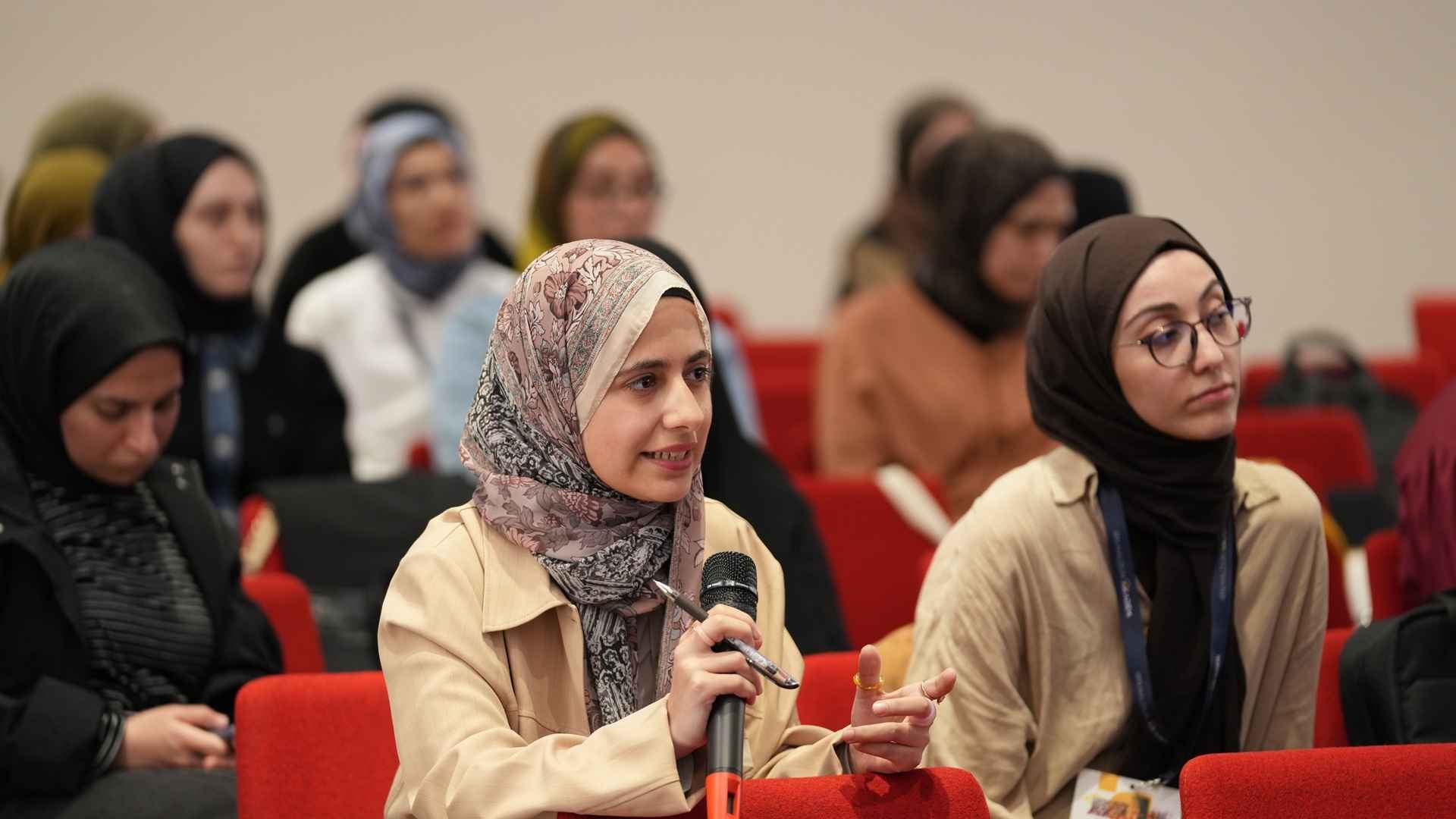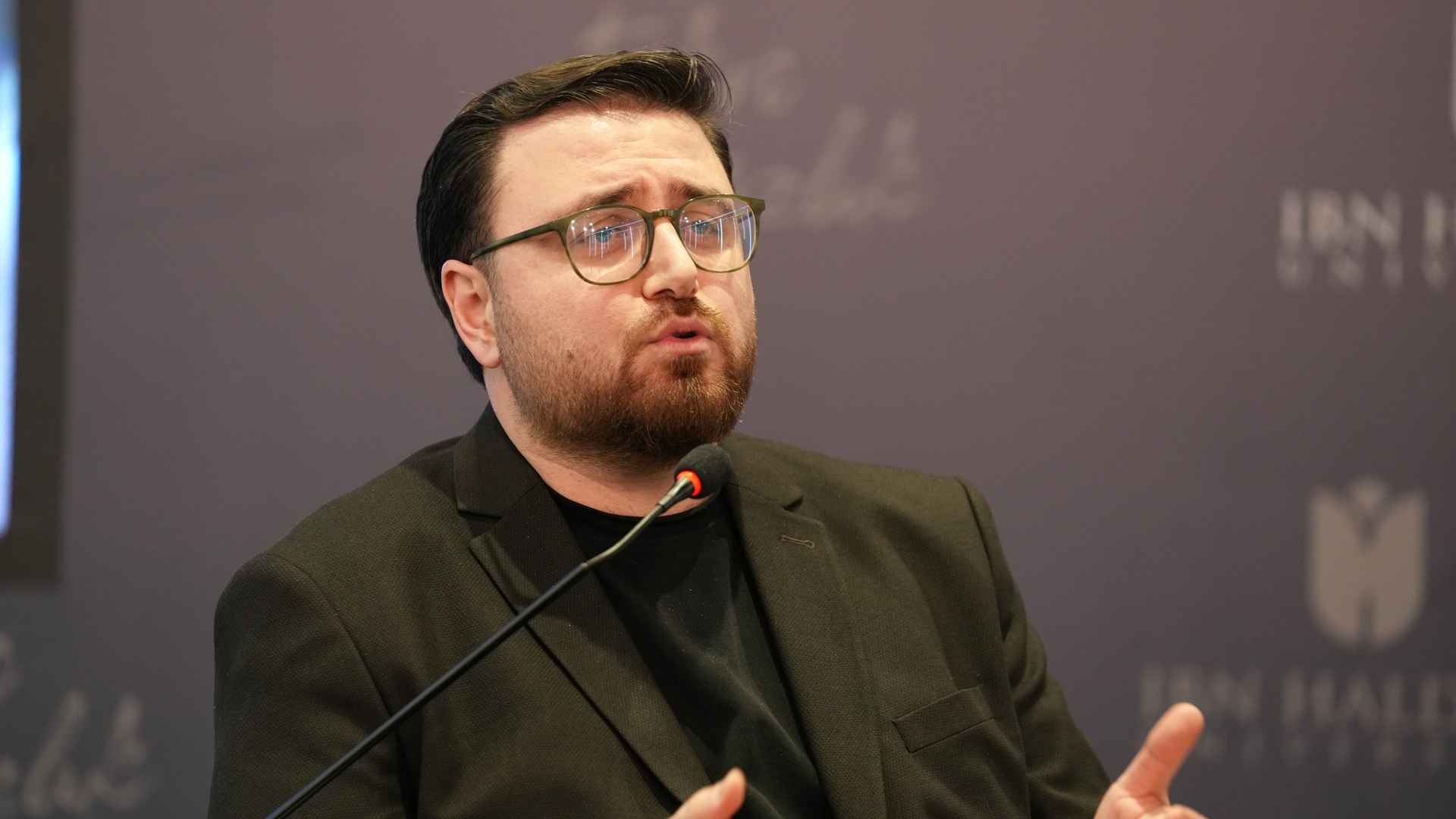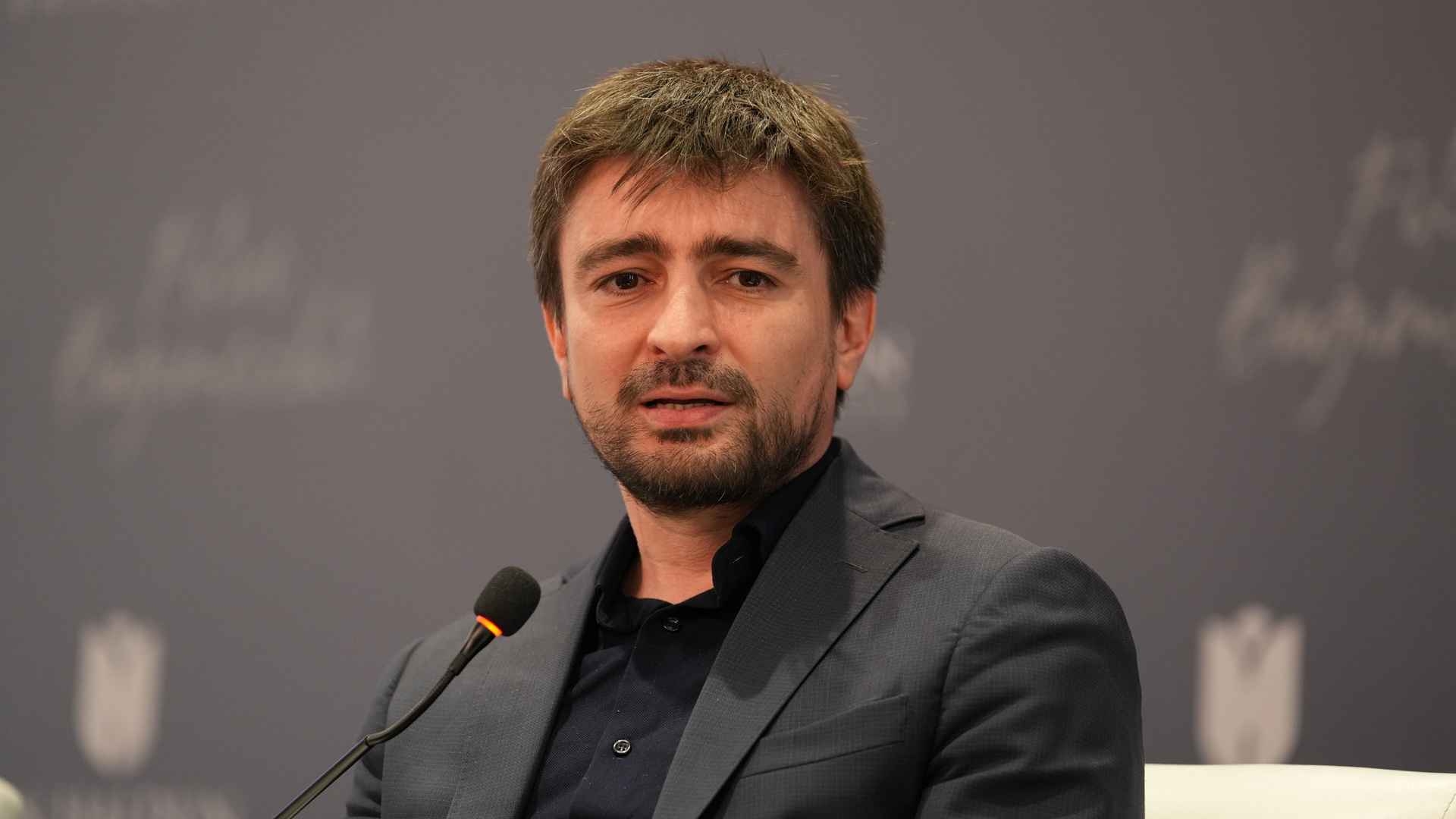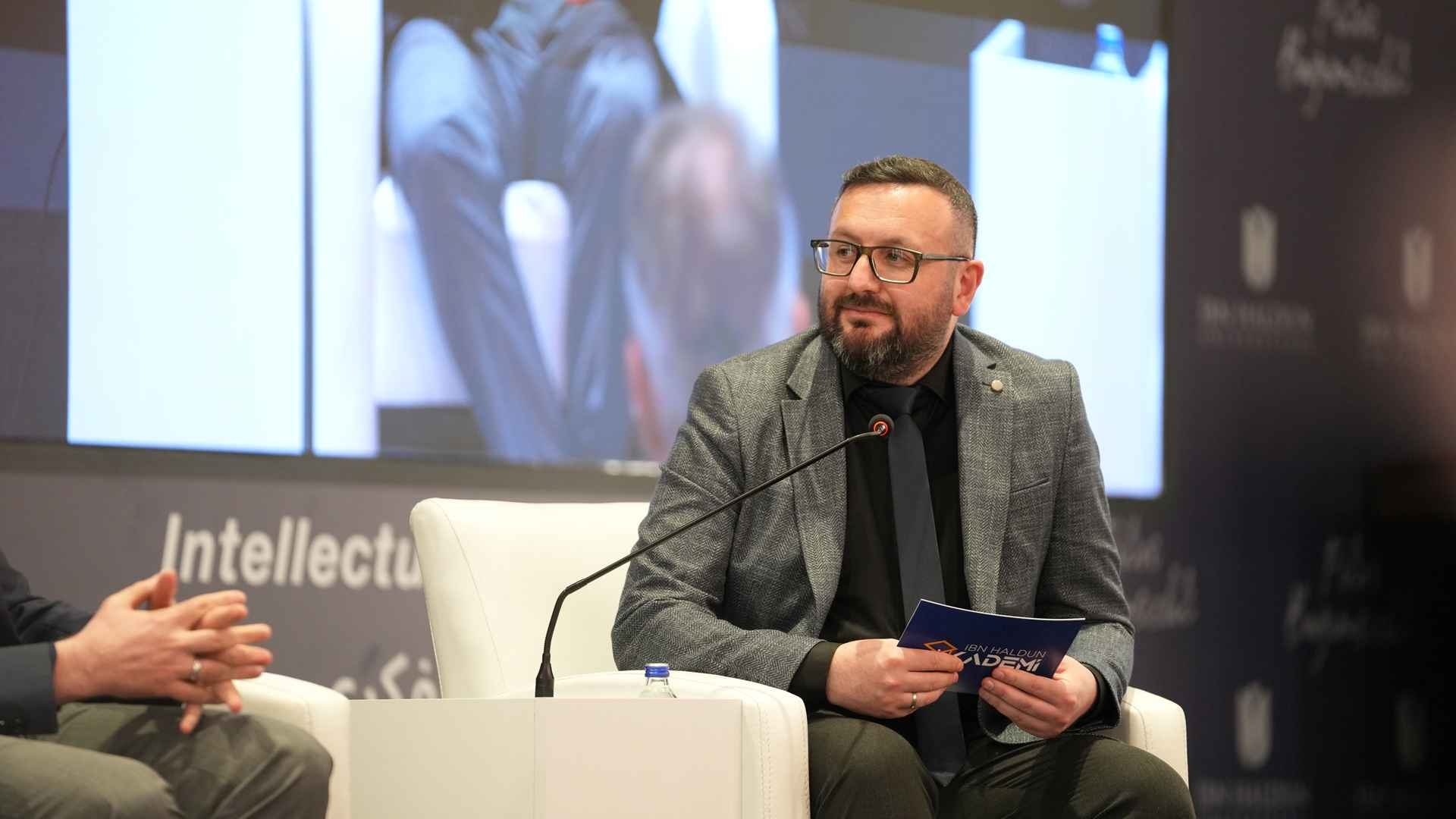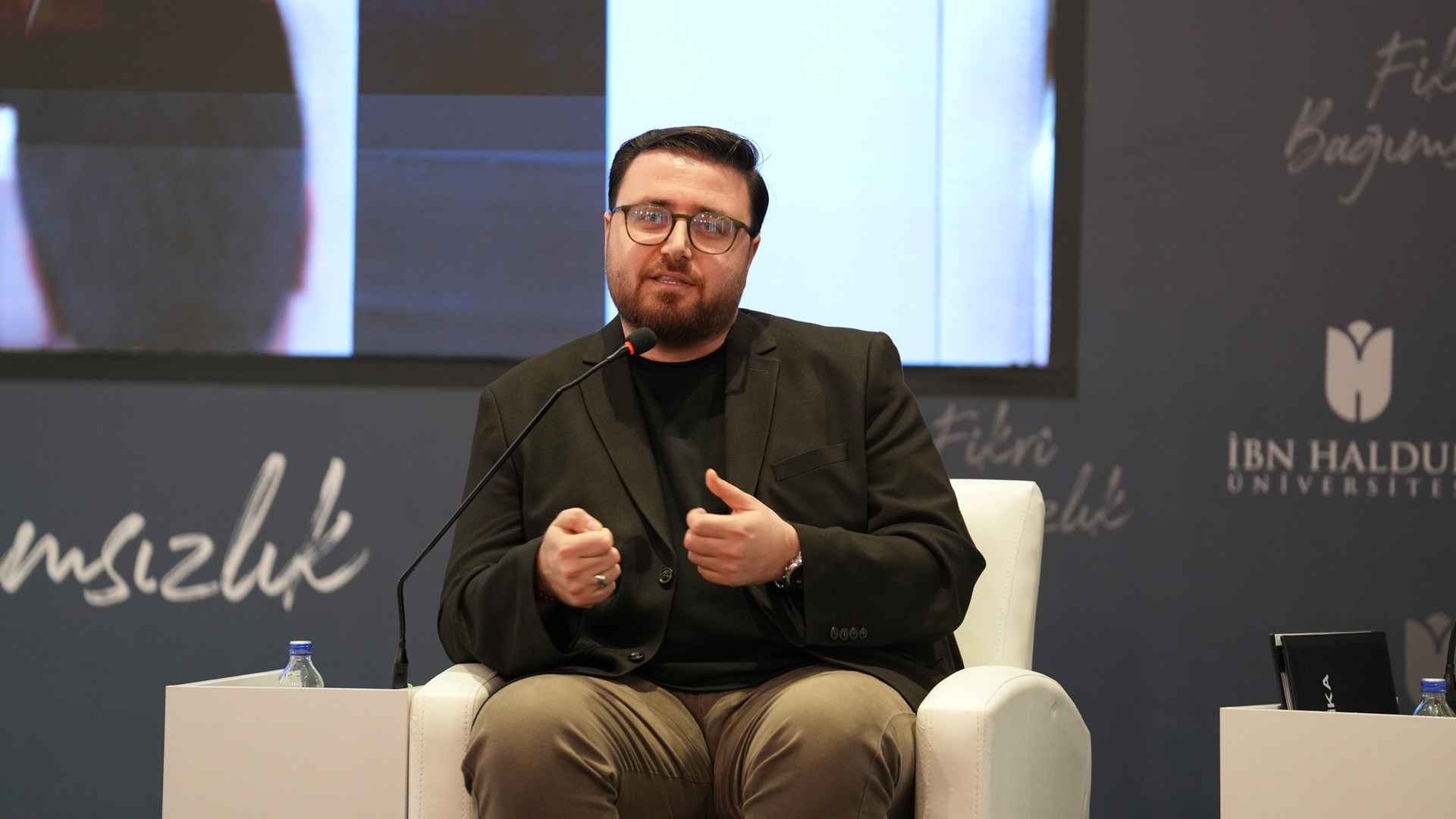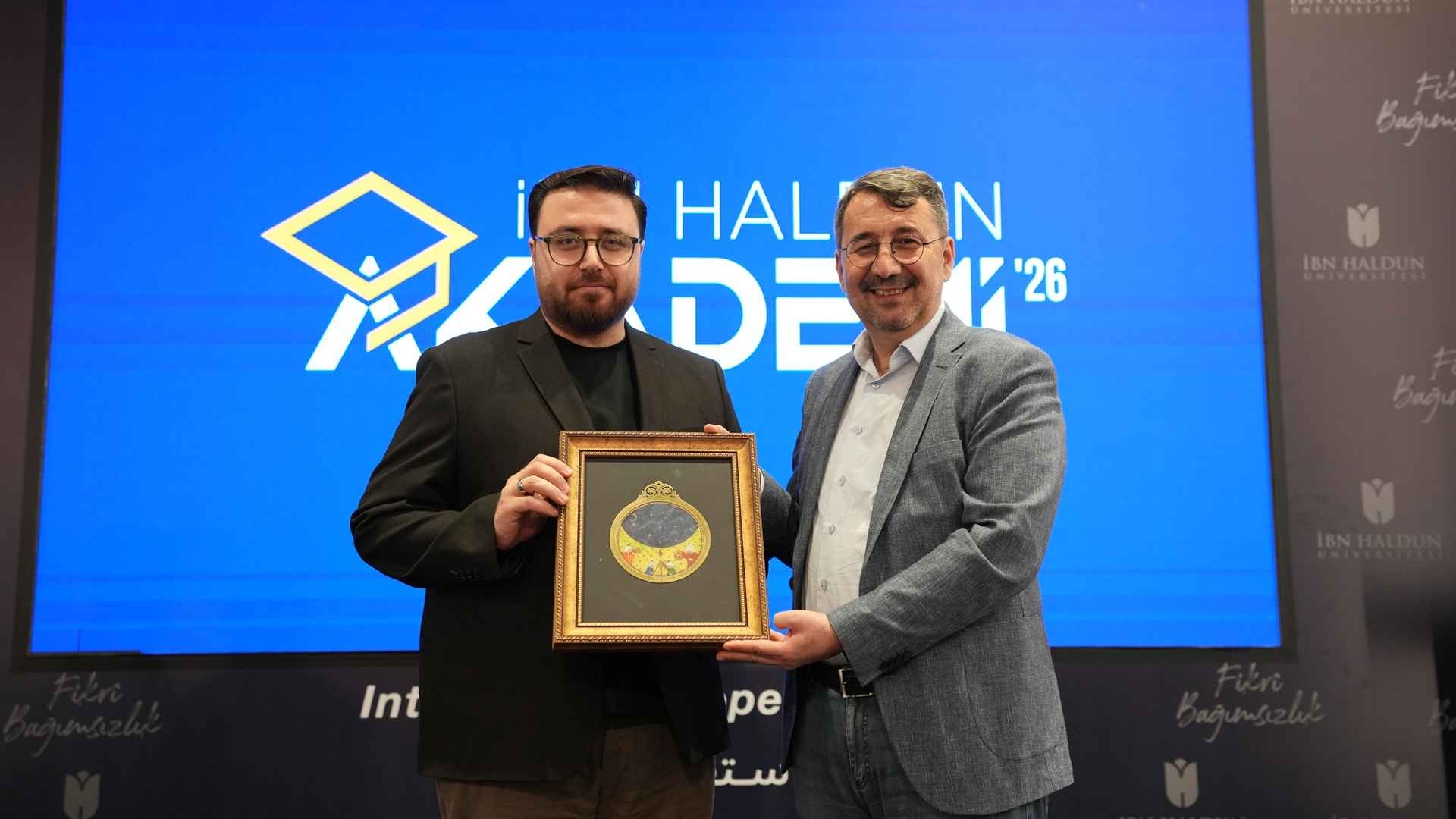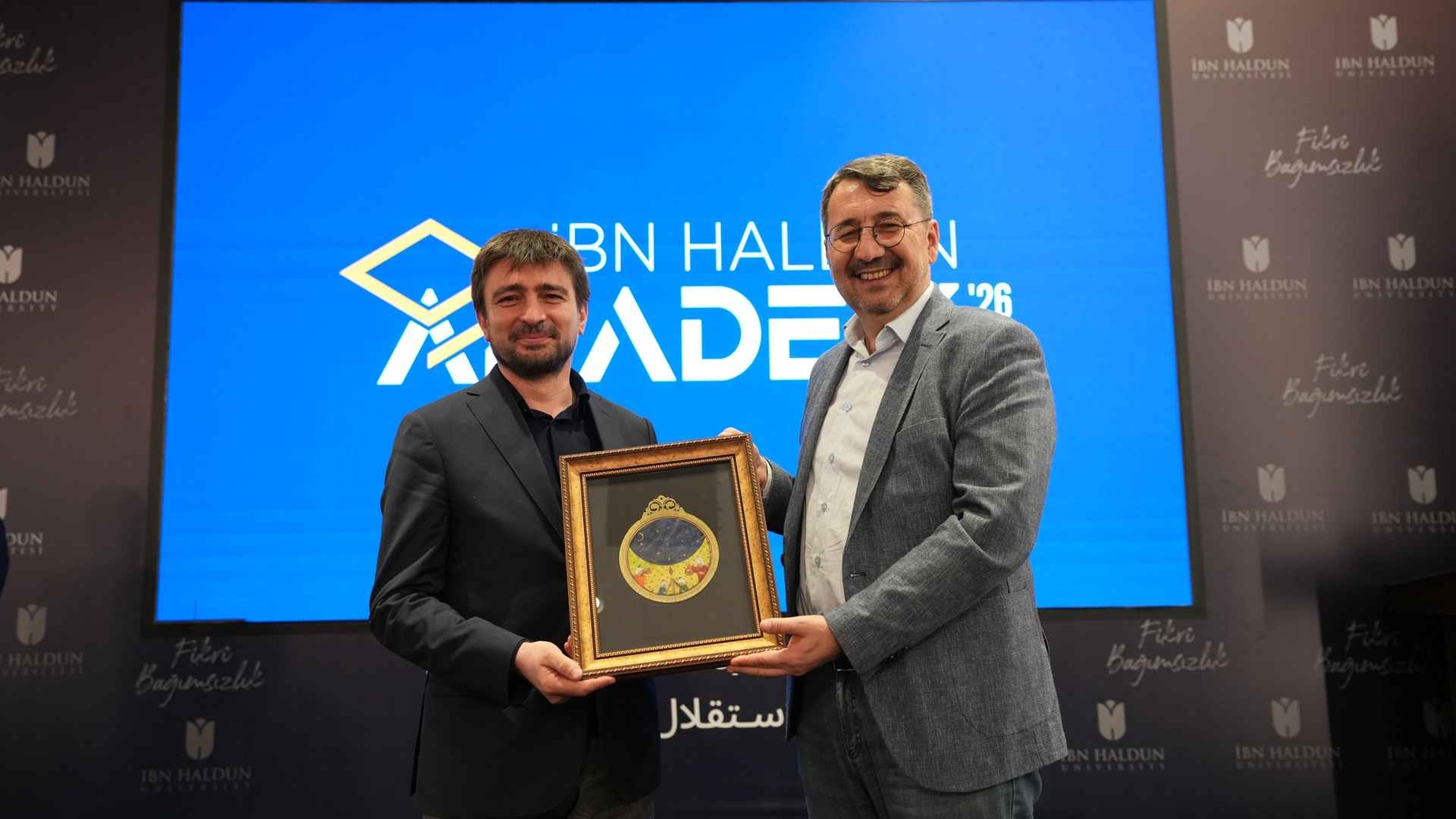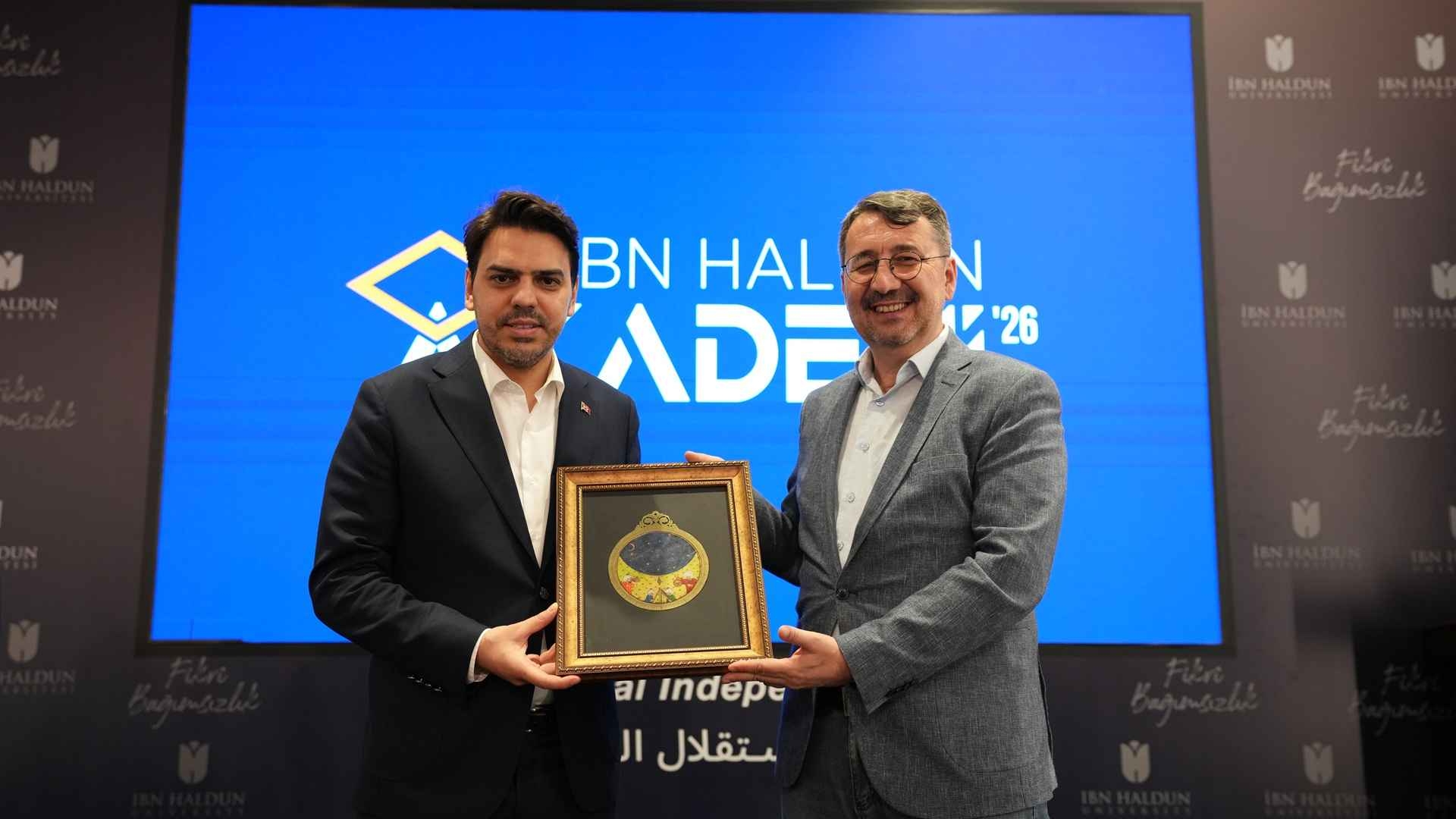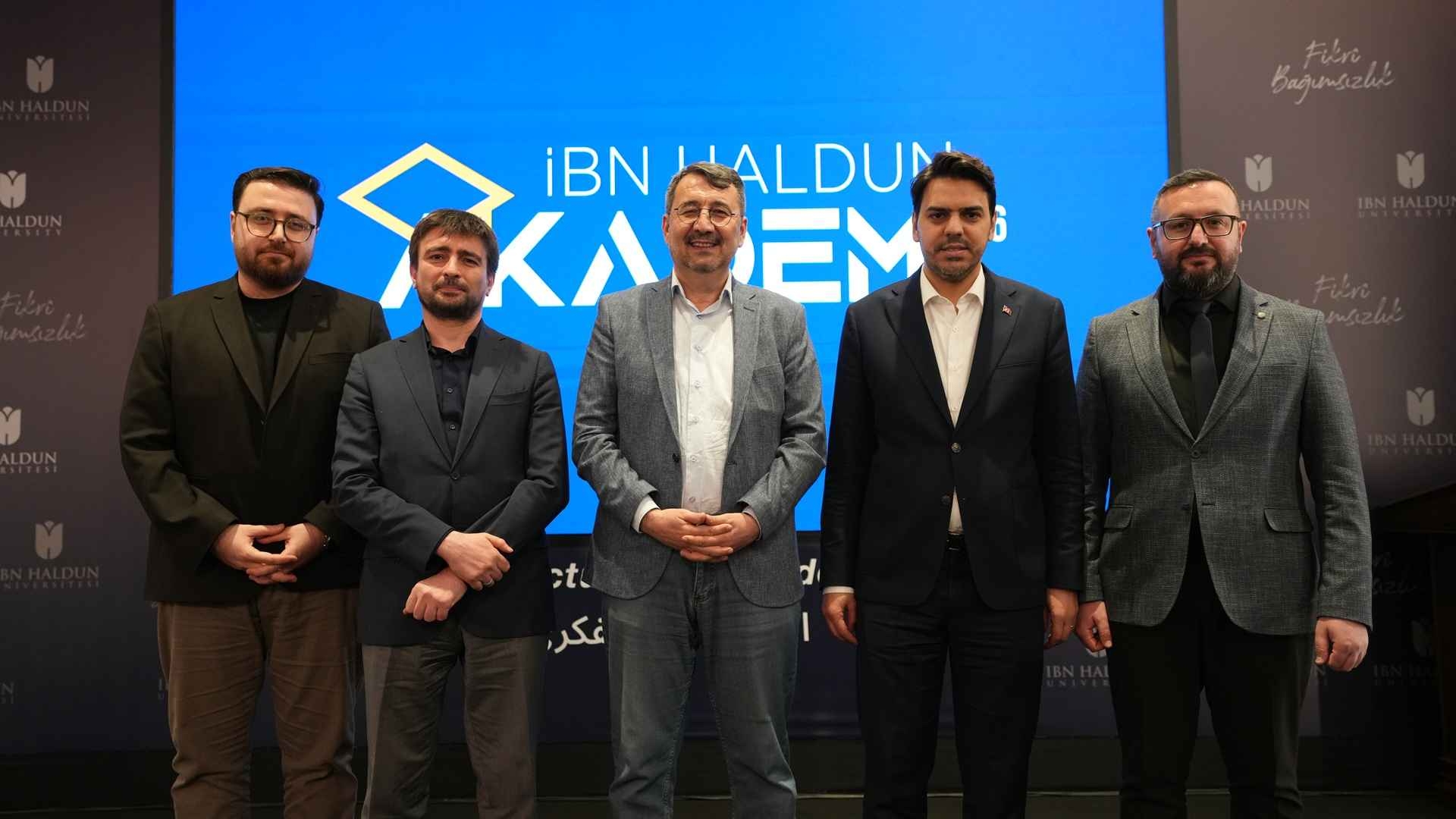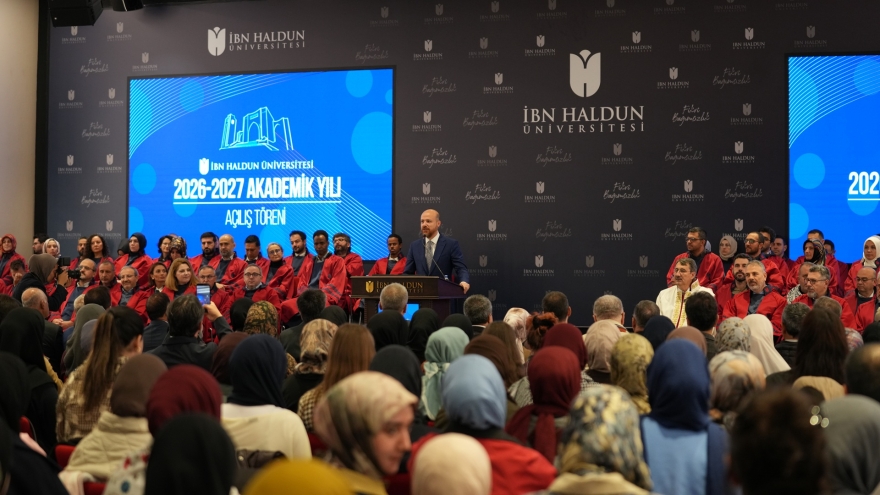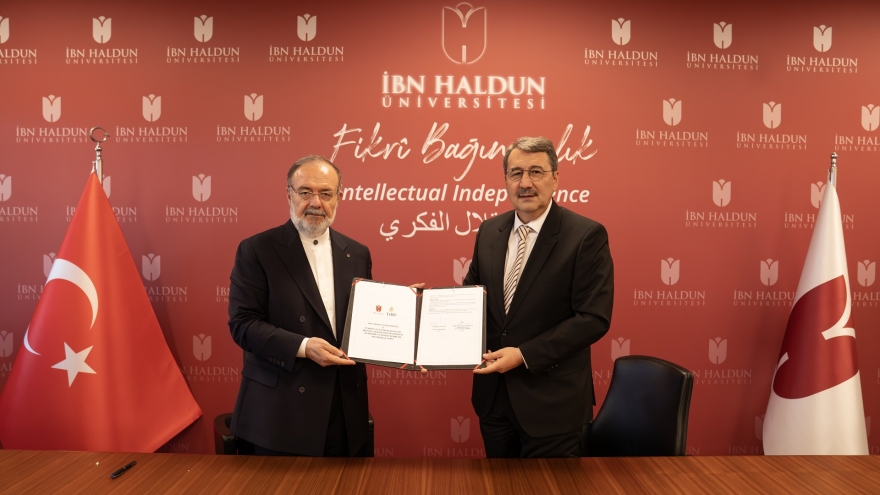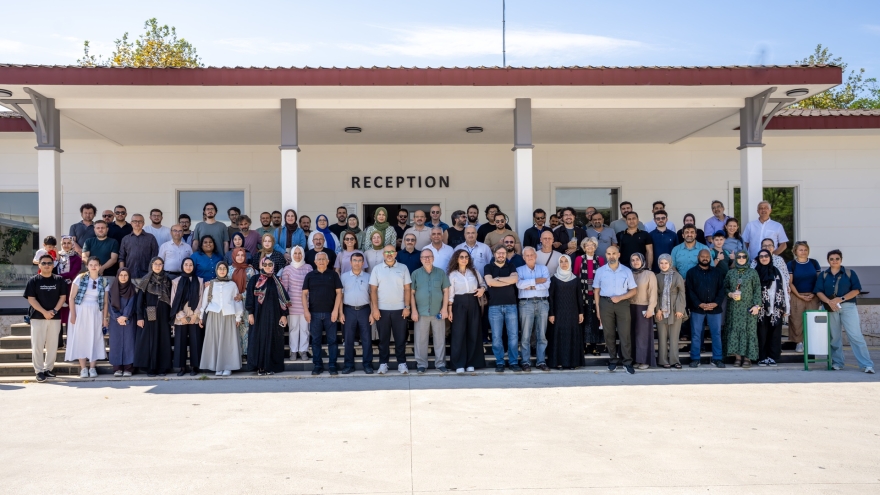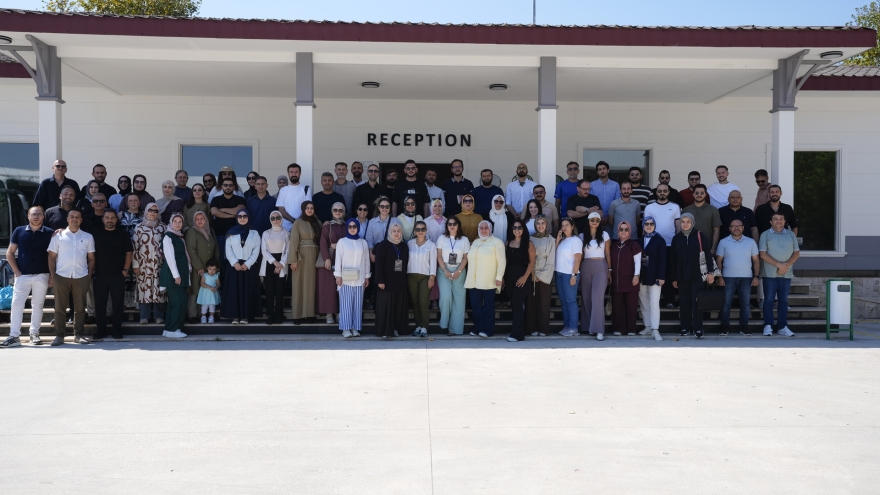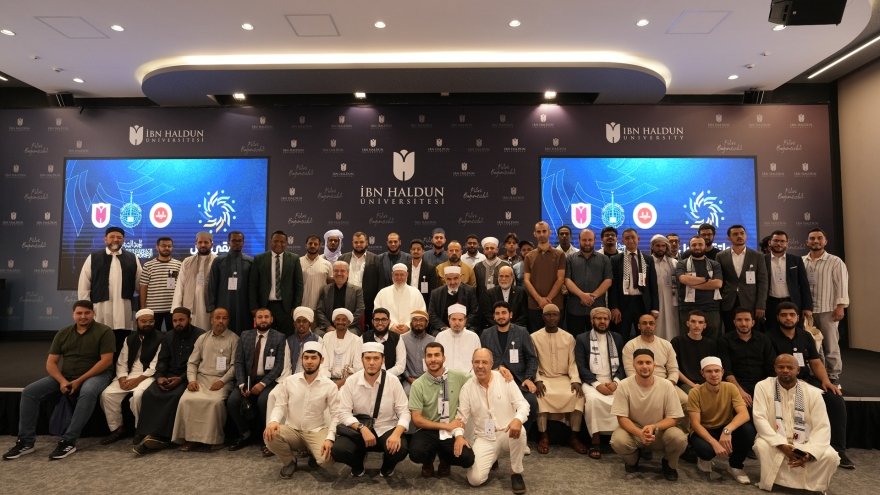

In its fifth week held on Saturday, May 9, 2026, Ibn Haldun Academy ’26 hosted TİKA President Abdullah Eren, Ambassador and Director of Humanitarian Aid for Palestine Dr. Mehmet Güllüoğlu, Director of the Social Innovation Agency Ali Güney, Prof. Halil Berktay, Assoc. Prof. Vahdettin Işık, and director and screenwriter Osman Nail Doğan.
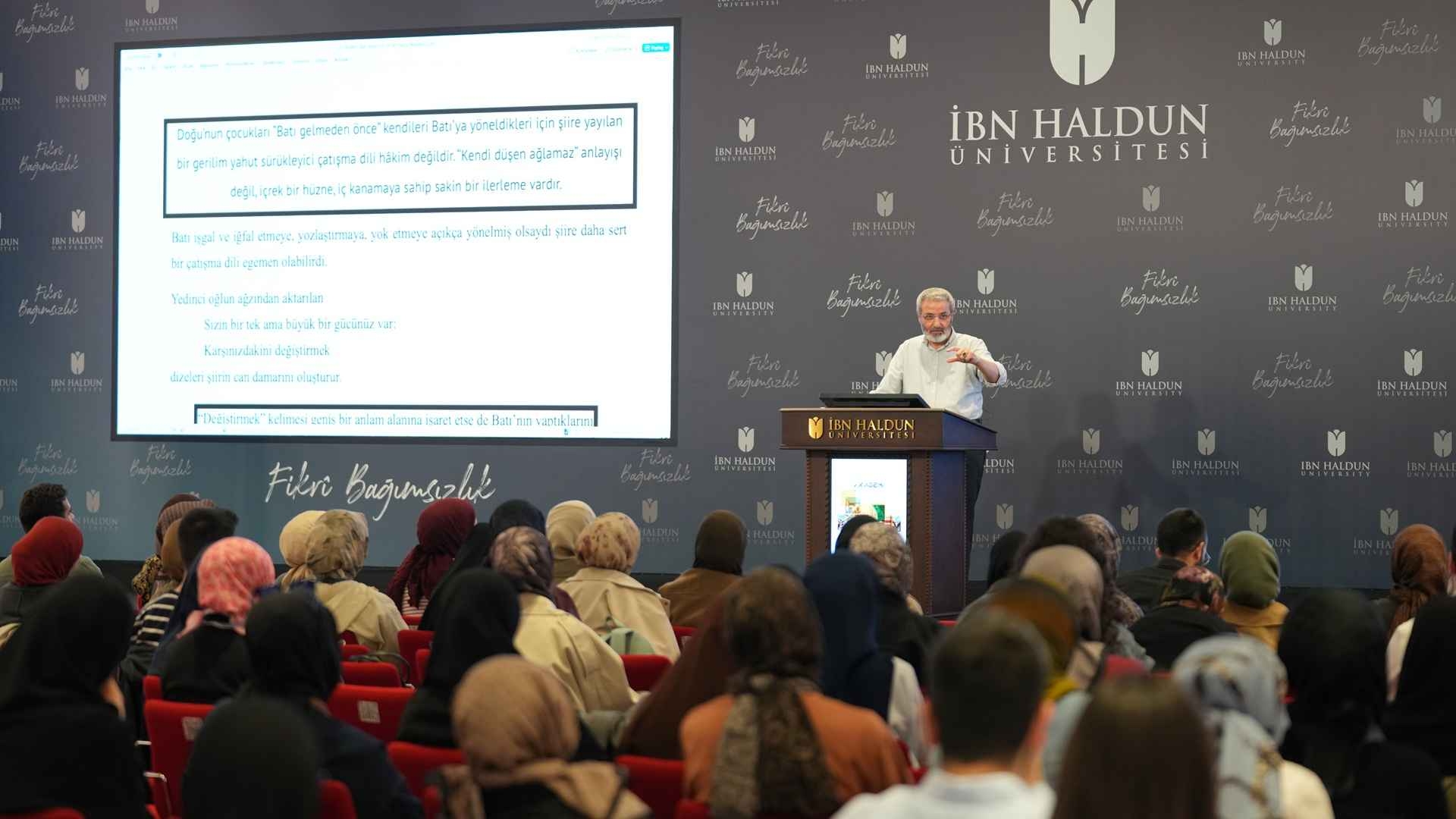
Assoc. Prof. Vahdettin Işık gave a seminar titled “Şairin Kastı: Feryad ü Figan Koparmak” (The Poet’s Intent: To Raise a Cry and Lamentation) The seminar focused on the lines by Yunus Emre: “My intent is this to enter the city and raise a cry and lamentation. Yet I turn back in fear, lest the enemy hear my voice.” In addition to these lines, our professor gave examples from other poems and pointed out that the spirit of resistance in the Islamic poetic tradition, continuing through Yunus Emre and Mehmed Akif, also manifests in the poems of Sezai Karakoç.
The similarity between Sezai Karakoç’s conception of civilization and Ibn Haldun’s definition of civilization was discussed. It was stated that according to Ibn Haldun, the phenomena of good civilization and bad civilization are possible, and that the good civilization is the civilization of “revelation” and “the book”.
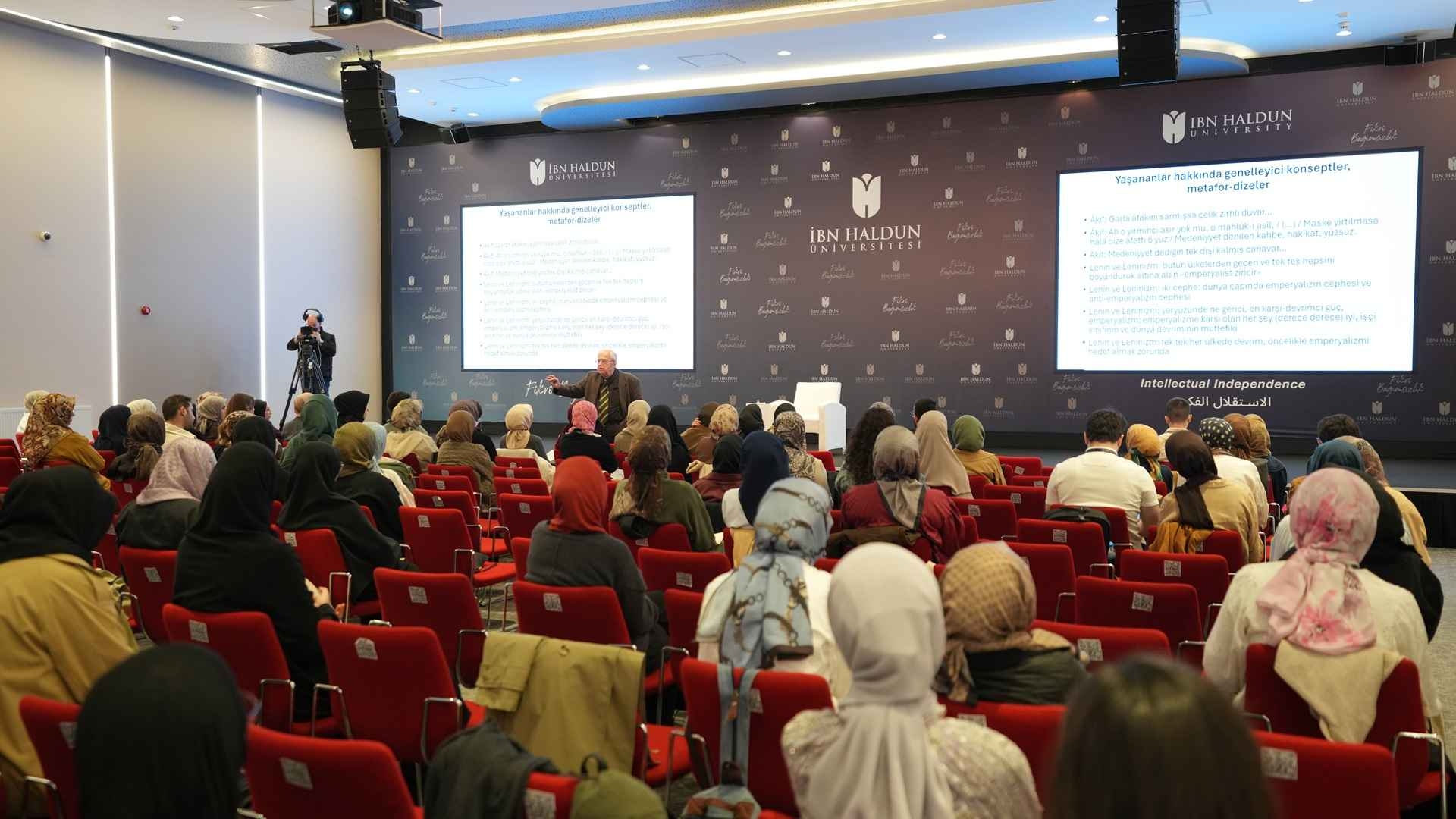
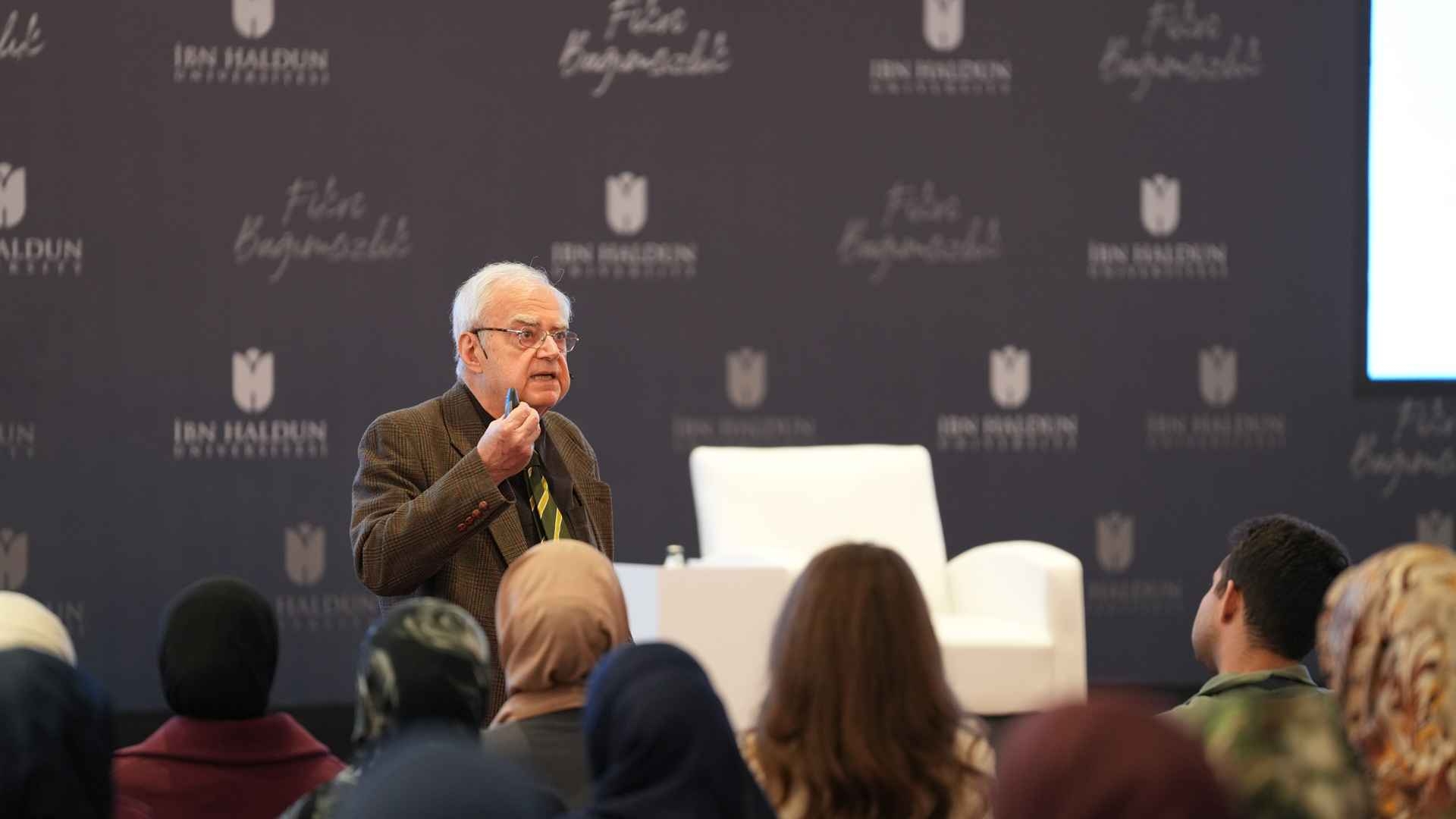
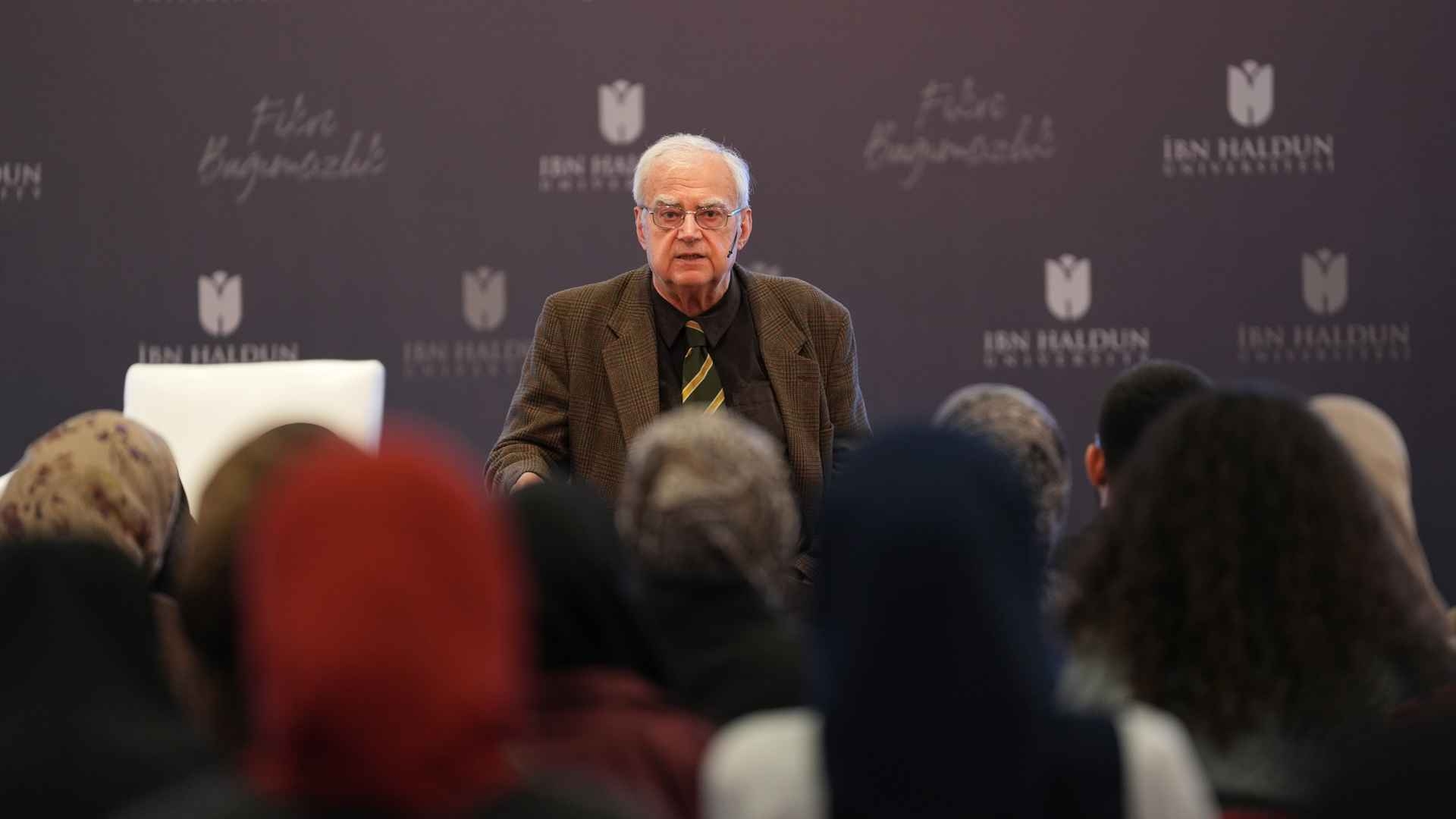
Prof. Halil Berktay presented the second session of his seminar “Tarihçilik Serüvenimde Büyülendiğim Anlar” (Moments I Was Enchanted by in My Historian Journey) under the title “Mehmed Akif ve Nazım Hikmet: Alternatif İstiklal Marşı?” (Mehmed Akif and Nazım Hikmet: An Alternative National Anthem?) Comparing the ideologies adopted by Mehmed Akif and Nazım Hikmet, our professor explained how these valuable poets, who adopted two different ideologies that seem opposite, resemble each other in their stance against imperialism.
Berktay addressed the 1500-1700 Early Modern imperialism from a historical perspective by relating it to the technology of the period. The turning point of the concept of imperialism rooted in European colonialism and technological developments in the 18th century was mentioned.
He focused on the parallel expressions against the same invader ideology in the poems of the Islamist nationalist Mehmed Akif and the modernist and communist Nazım Hikmet, who stood against the occupying forces in the 20th century.
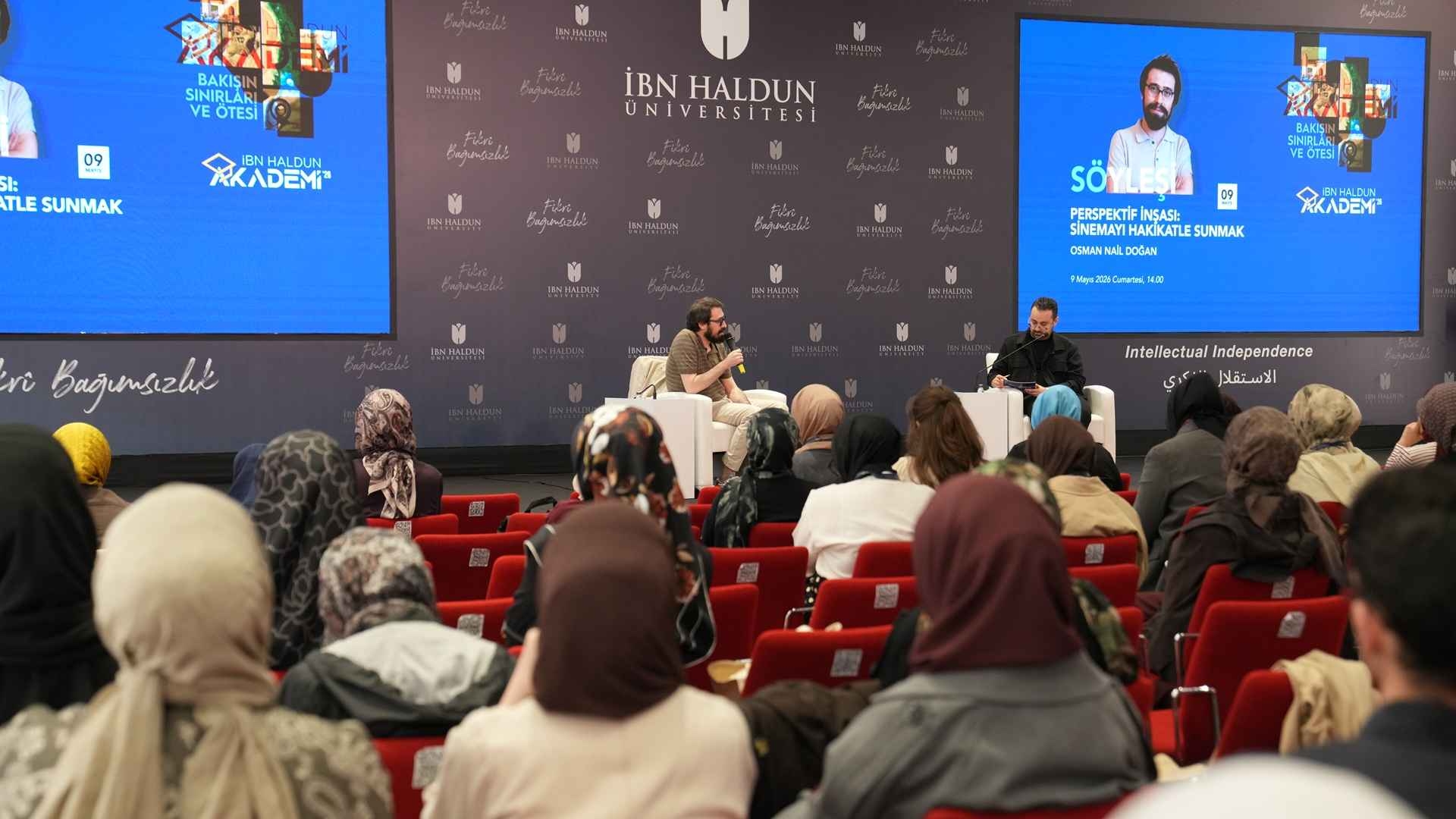
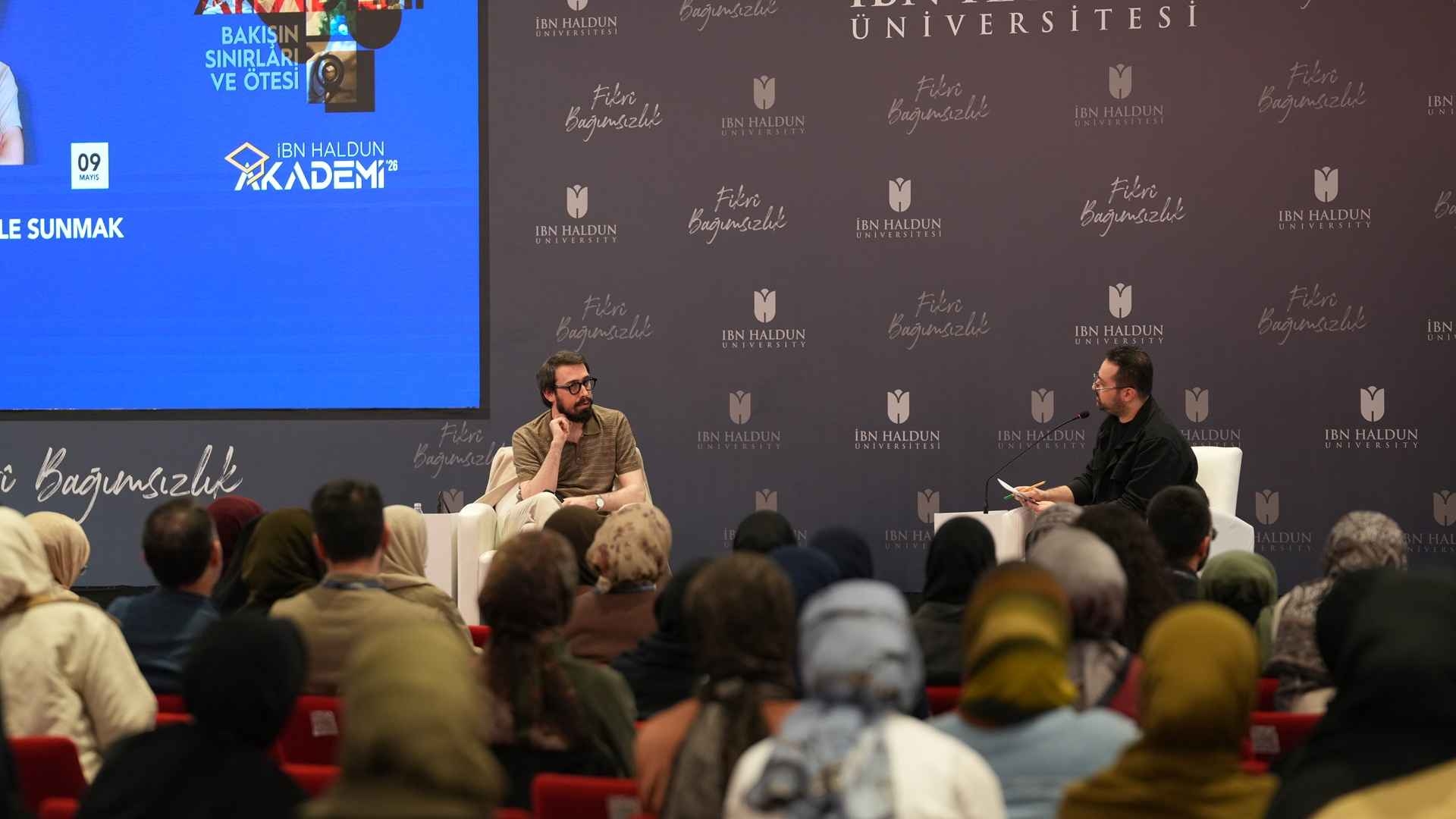
Director and screenwriter Osman Nail Doğan shared his story of starting cinema with the participants and gave advice to the candidates in the talk “Perspektif İnşası: Sinemayı Hakikatle Sunmak” (Construction of Perspective: Presenting Cinema with Truth). The speaker argued that apprenticing under a master is the most efficient option to start filmmaking.
Speaking on the relationship between cinema and truth, Doğan stated that cinema does not cover the truth, but on the contrary, undertakes the role of revealing the truth. He emphasized the importance of the search for truth and stated that the element that makes life gain meaning is the search for truth.
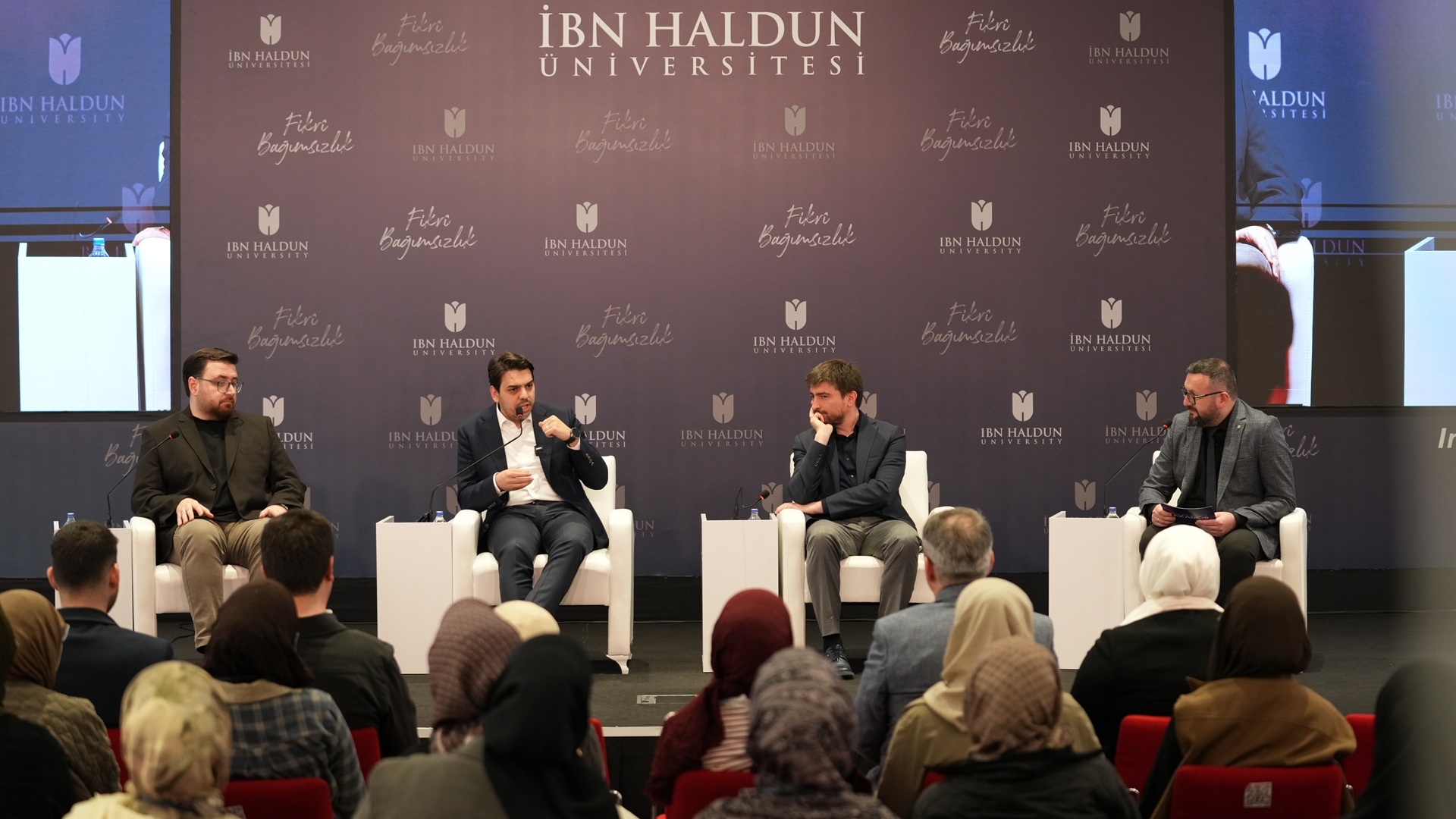
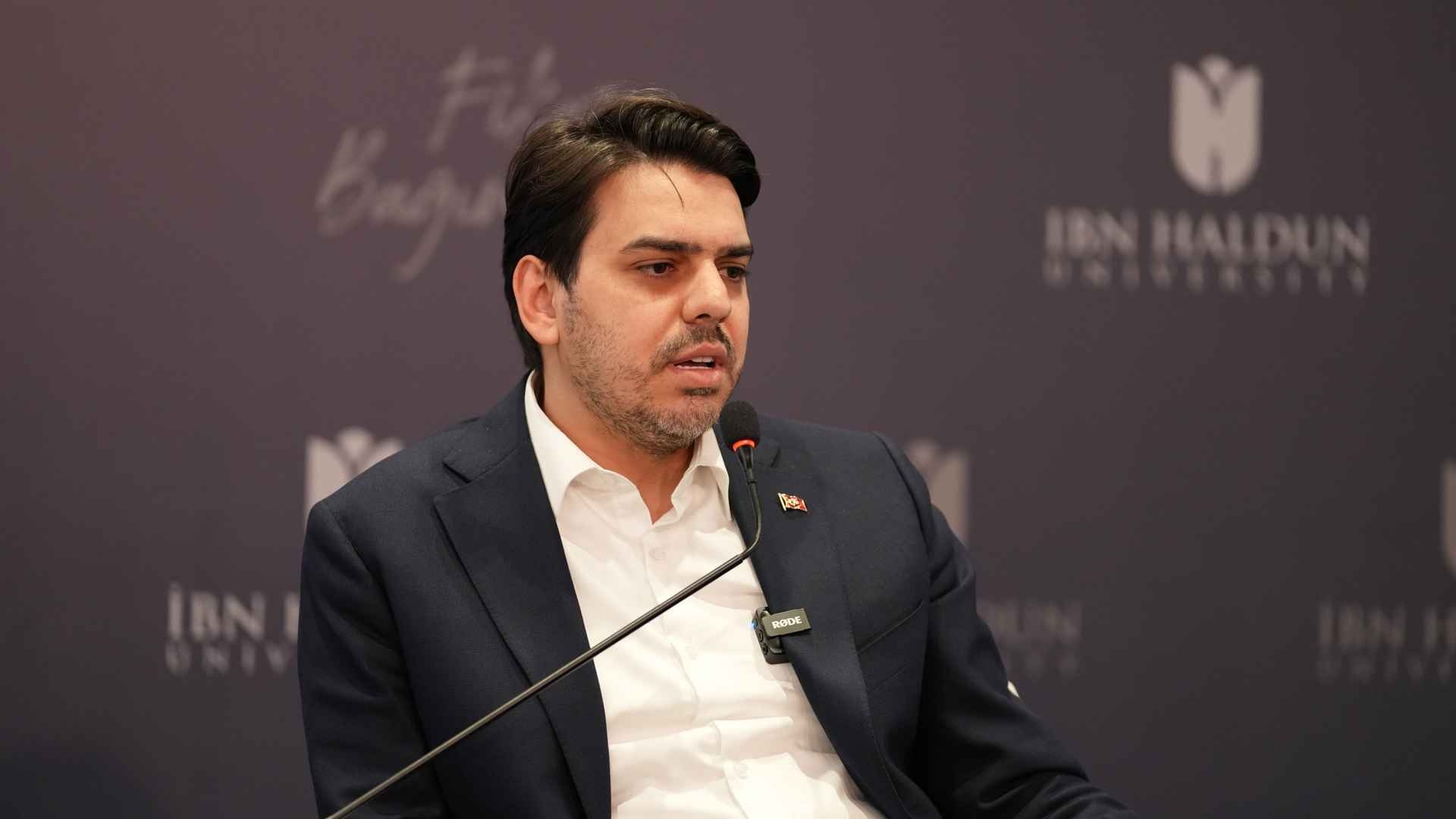
The last session of the day, the panel titled “Producing Impact from Local to Global”, was attended by TİKA President Abdullah Eren, Ambassador and Director of Humanitarian Aid for Palestine Dr. Mehmet Güllüoğlu, and Social Innovation Agency Director Ali Güney, with the moderation of our University’s School of Languages Director Assist. Prof. Furkan Alpat.
Starting his speech by mentioning the concept of development aid introduced into the literature in the 1950s and the social aid activities enriched worldwide over time, Abdullah Eren stated that we have valid reasons to be confident in the international arena as Türkiye. He said that in the results they received from international studies, they saw the manifestation of the understanding that “The Turk is the one who is expected.” He stated that this understanding is justified as a result of the activities coming from our full, deep-rooted, and profound culture.
He expressed that the difference of our country in international activities, especially TİKA, is to seek maximum benefit for the country reached, without considering personal interests.
Ambassador Dr. Mehmet Güllüoğlu shed light on the problem that the system for dealing with international crises has not been developed significantly since the Cold War period. Stating that our country is in a very good place in aid efforts against crises as Türkiye, but the organizations in this field could develop further in terms of organization, Güllüoğlu emphasized the necessity of showing the same success in “risk management” before crises break out.
Ali Güney talked about the structure of development agencies in Türkiye that centers on human benefit. In his speech, he stated that the work carried out by the Social Innovation Agency comes from our Anatolian culture and that “social innovation” is both a hope and a strategy.
Mentioning that they set an example for the establishment of centers for social sciences and social innovation in many cities of Türkiye, Güney stated that it is necessary to create an entrepreneur and investor ecosystem and attract talents to these centers. He stated that the goal is to produce measurable and sustainable solutions.
The fifth-week sessions, held with valuable speakers and participants, expanded the horizons of perspective with their rich content while encouraging us to look from the perspectives of truth, social benefit, belonging, and resistance.