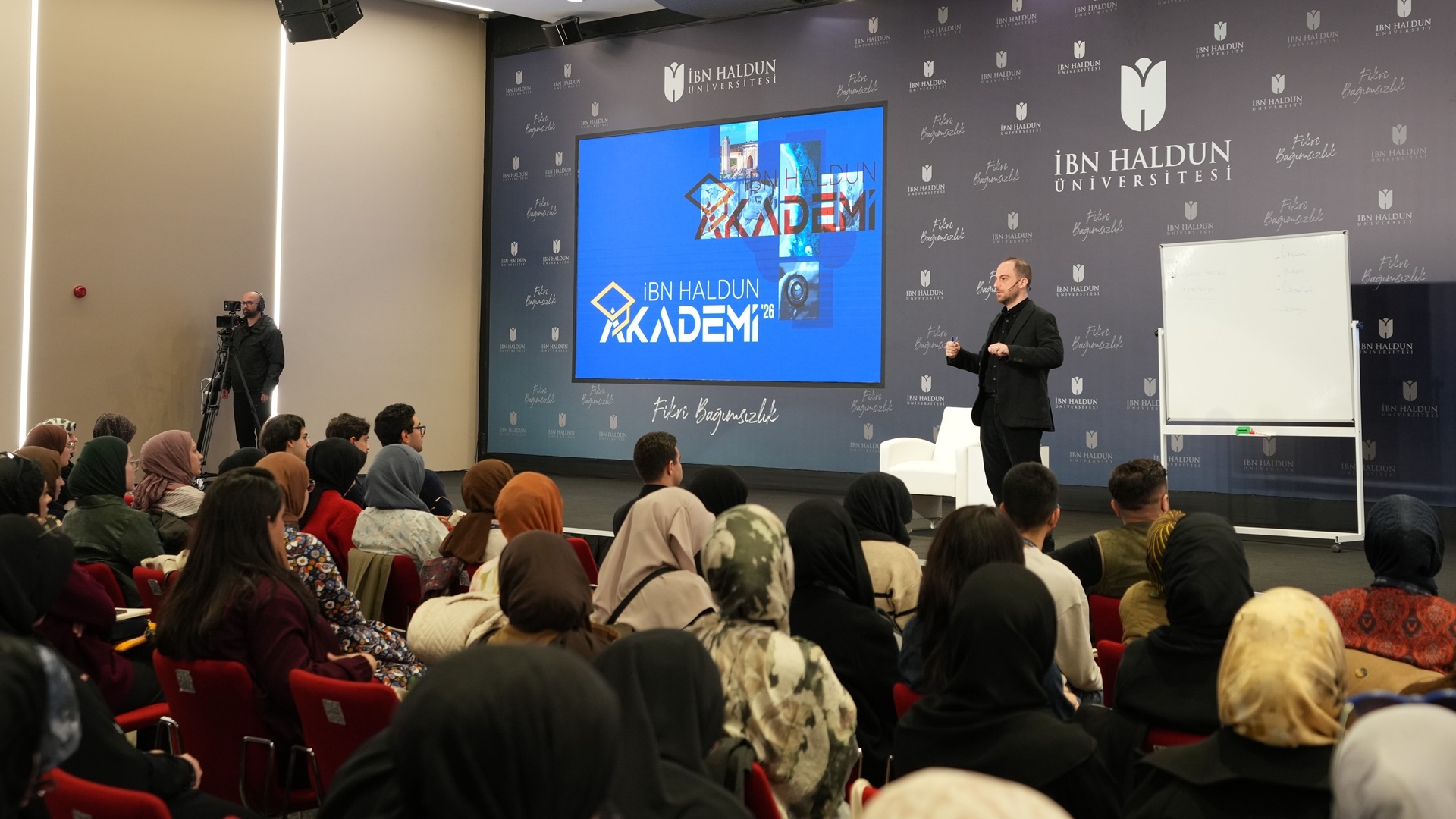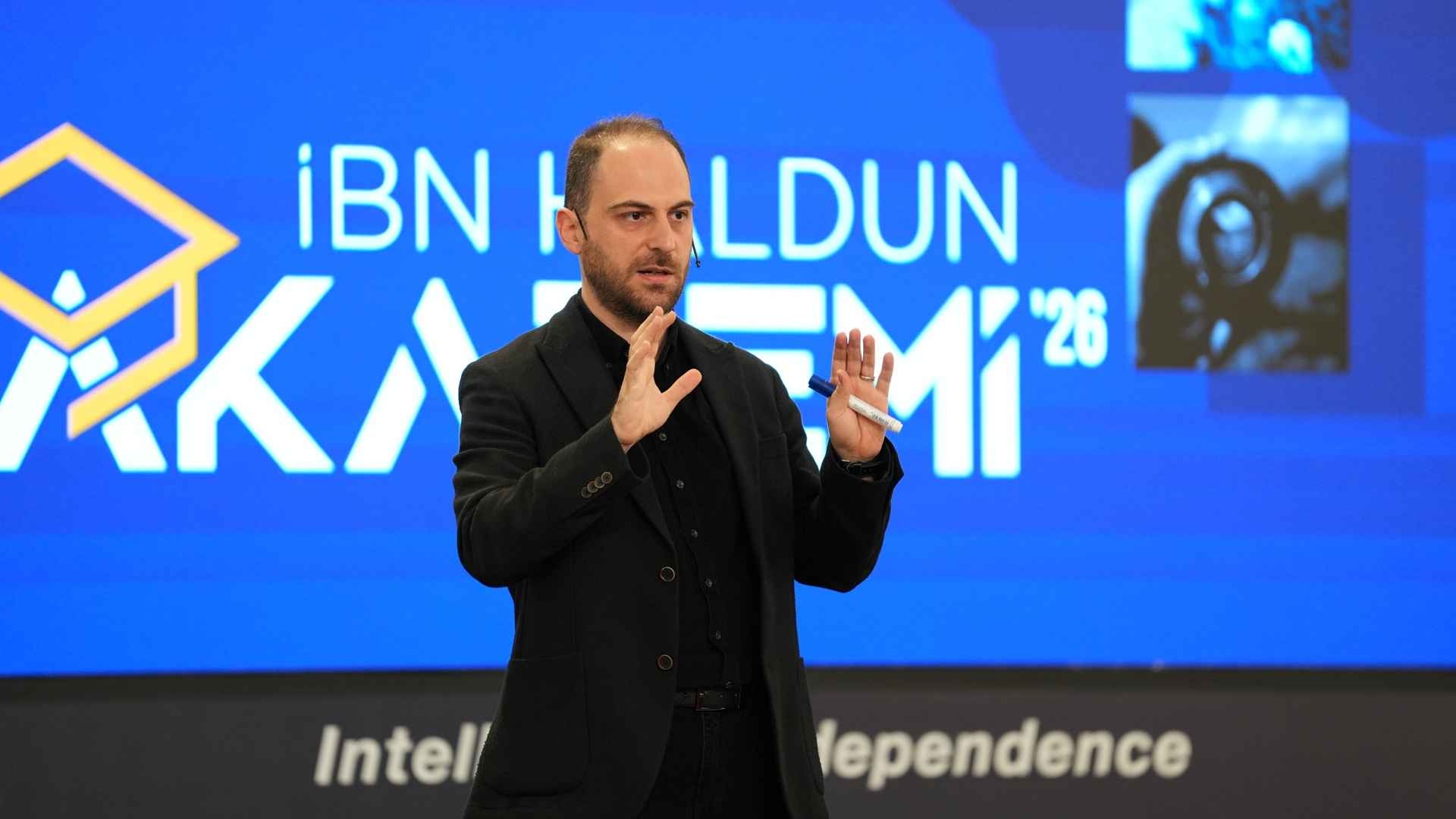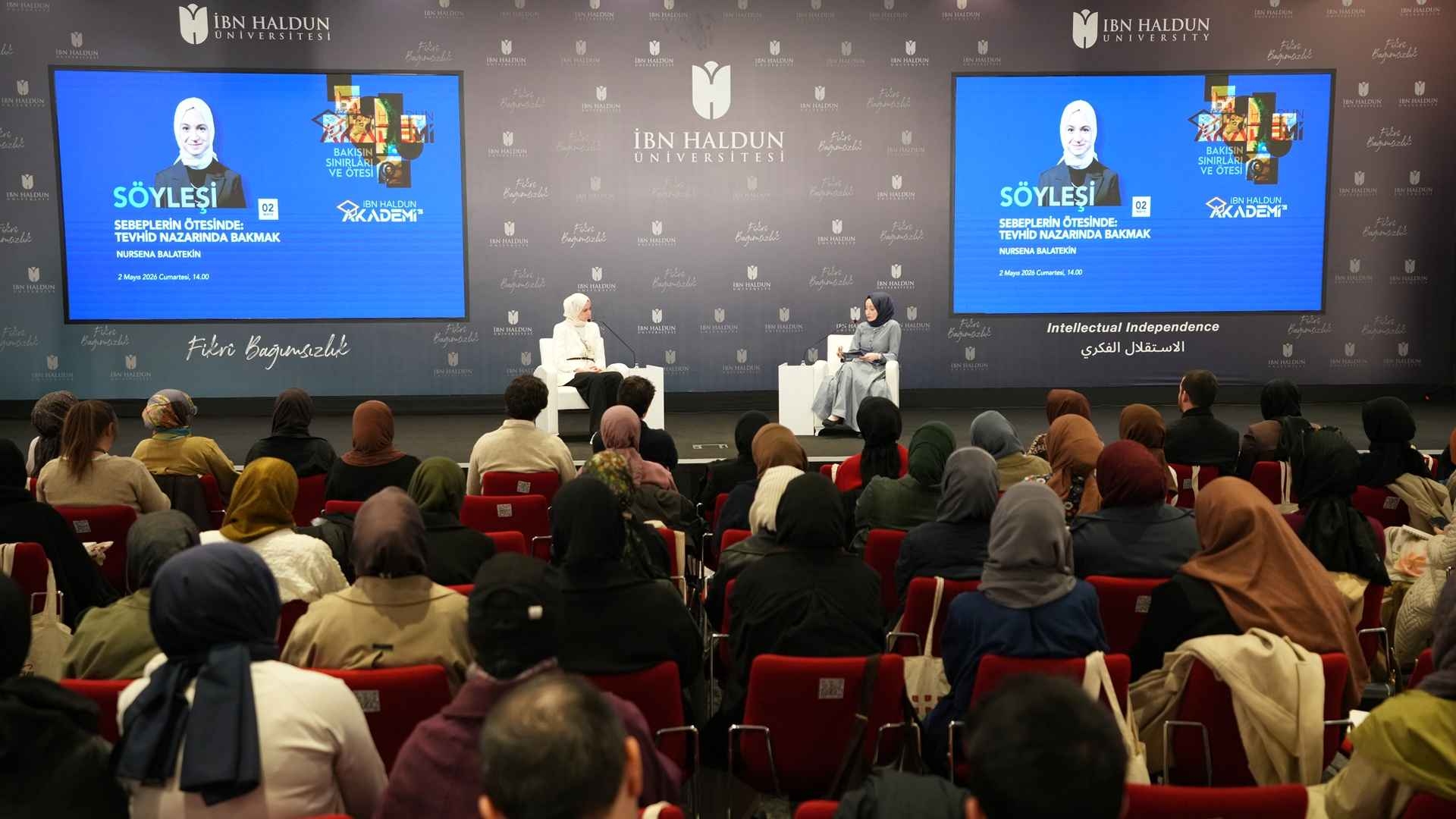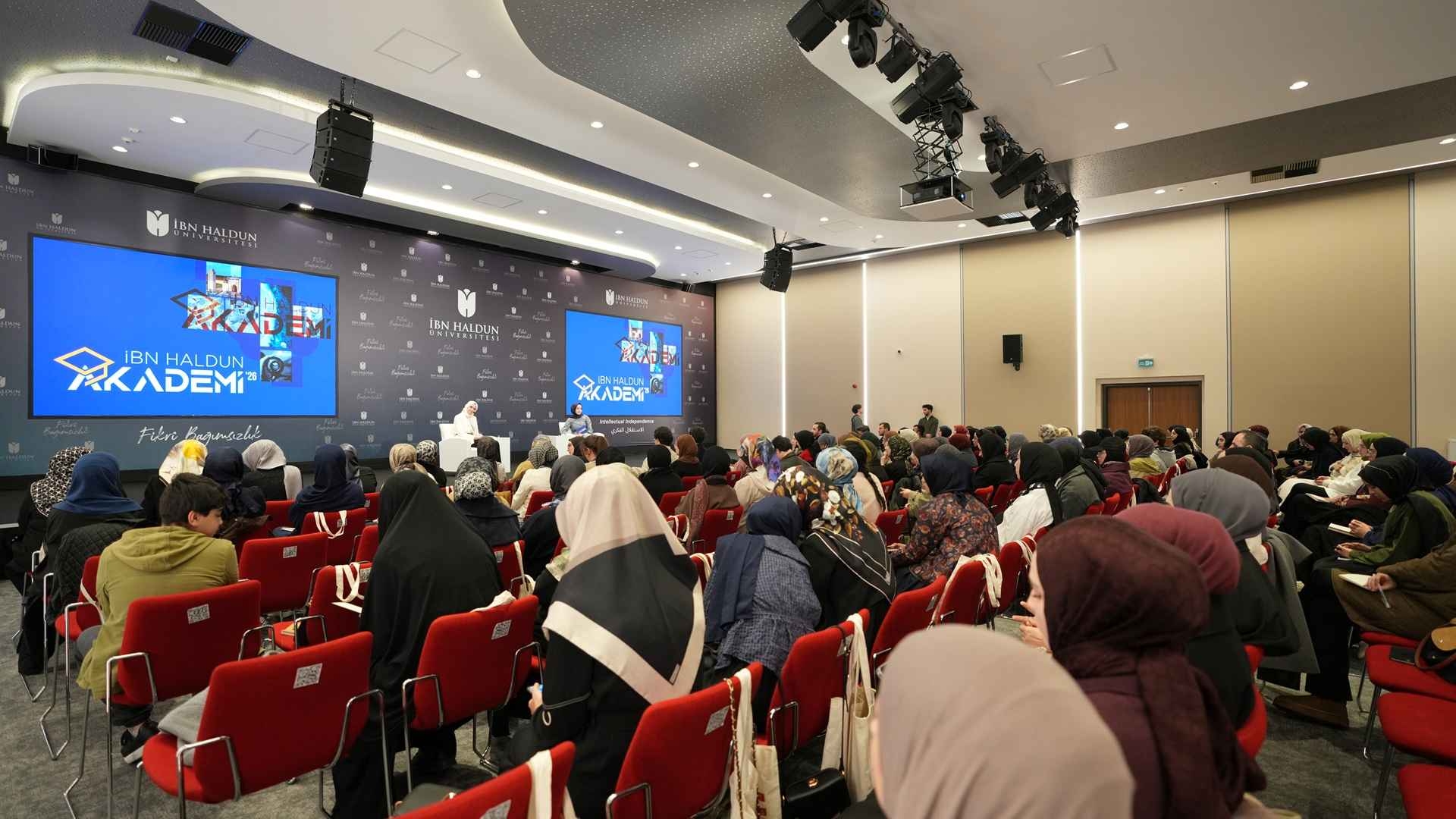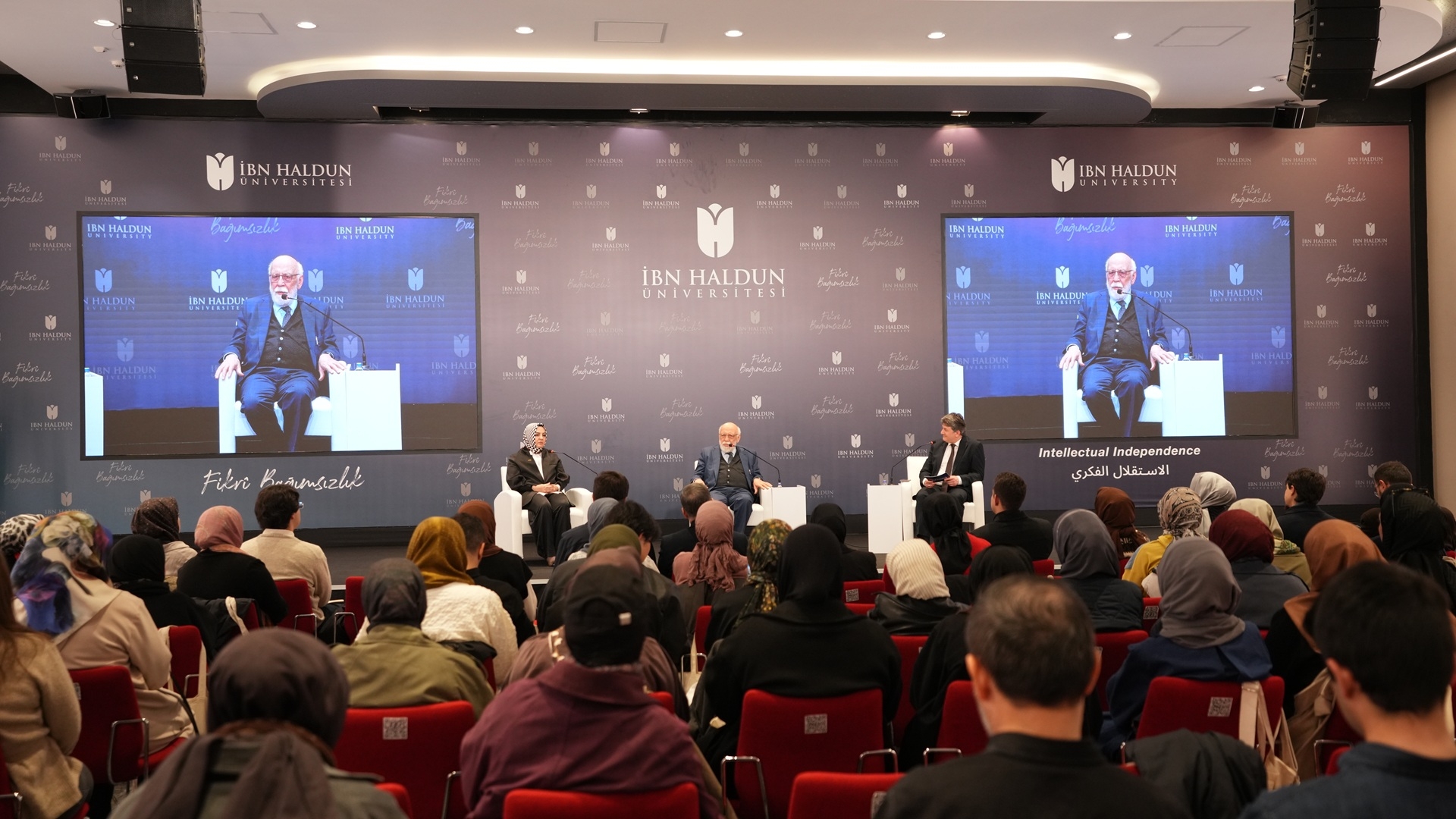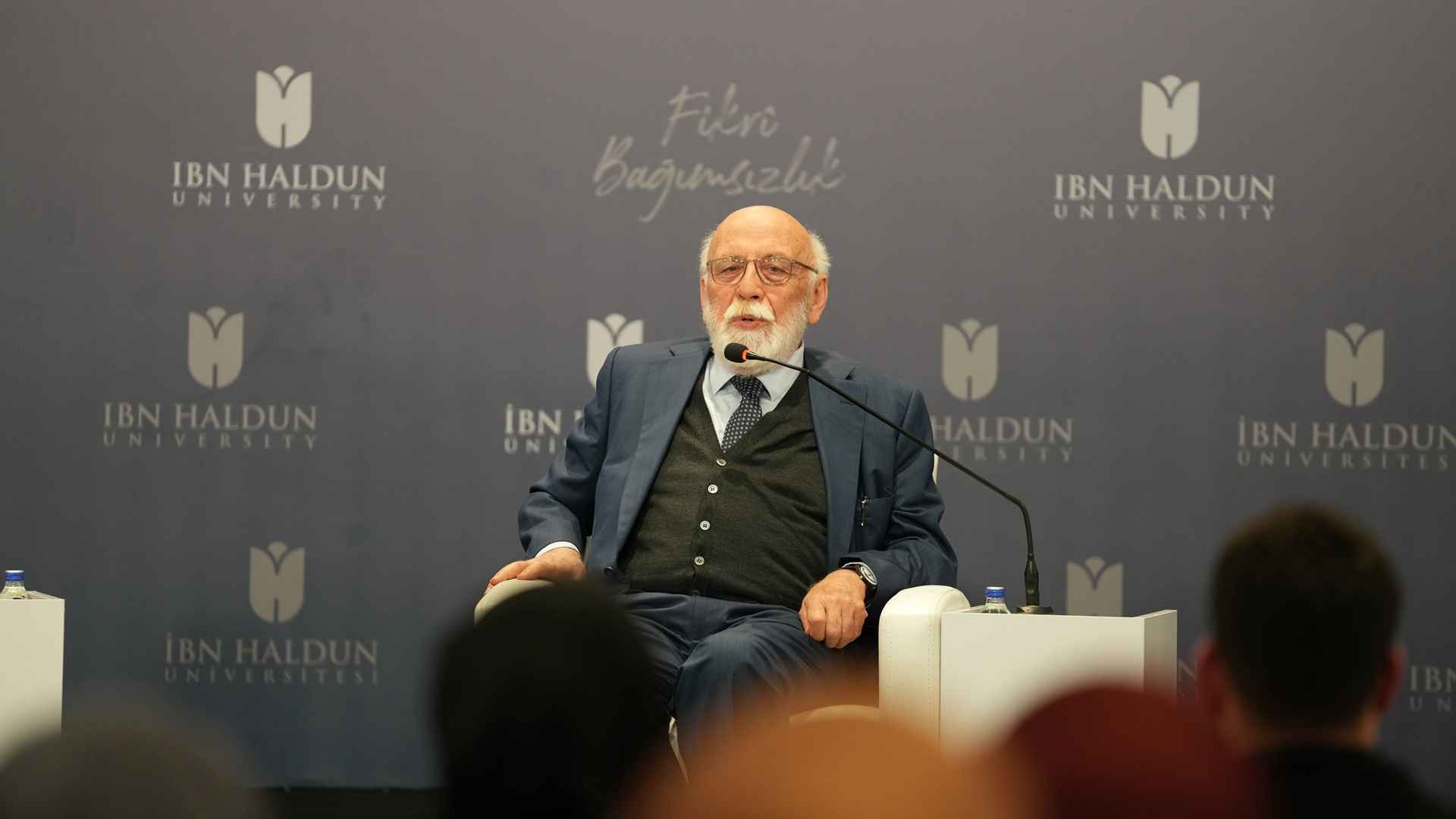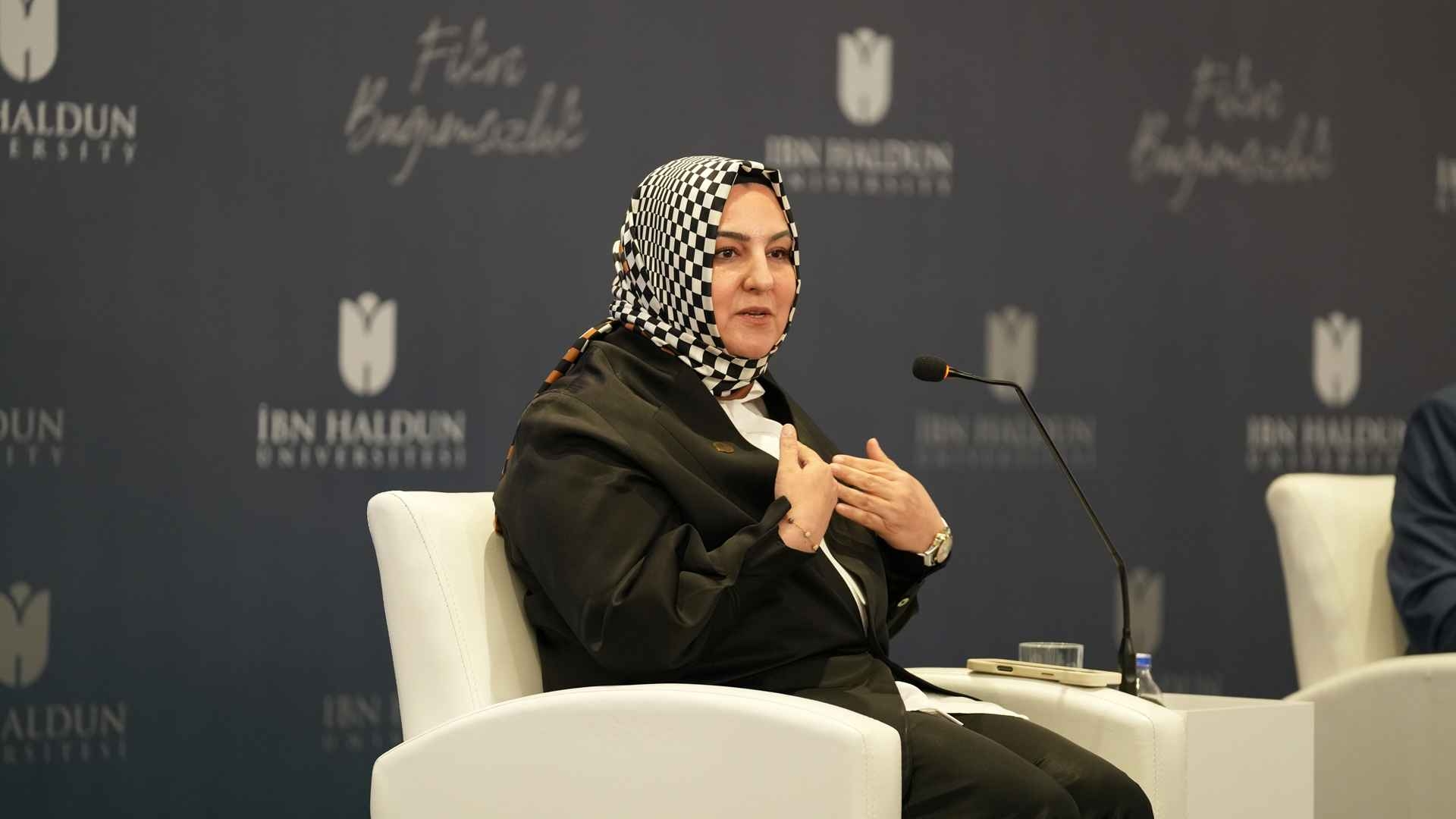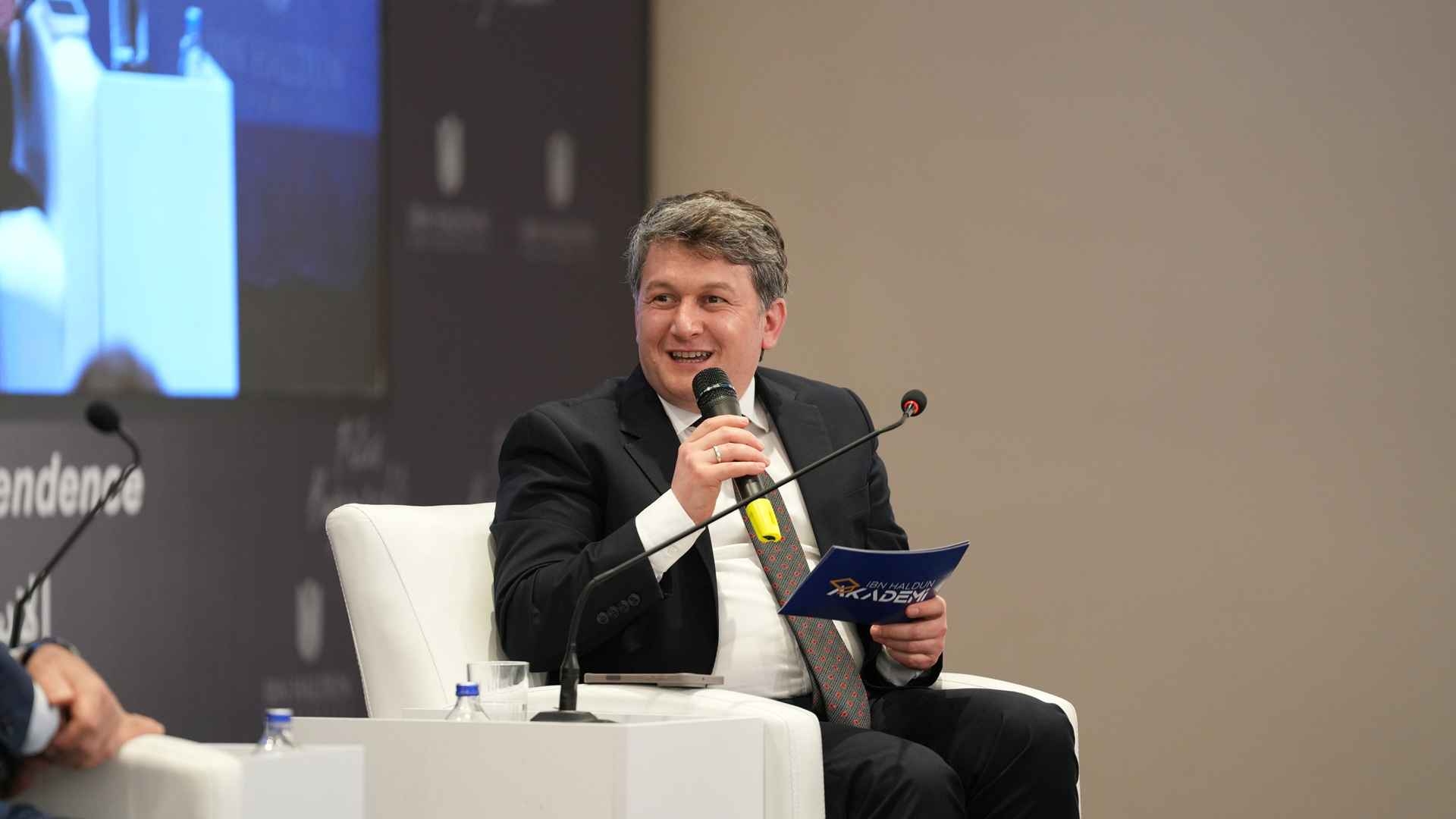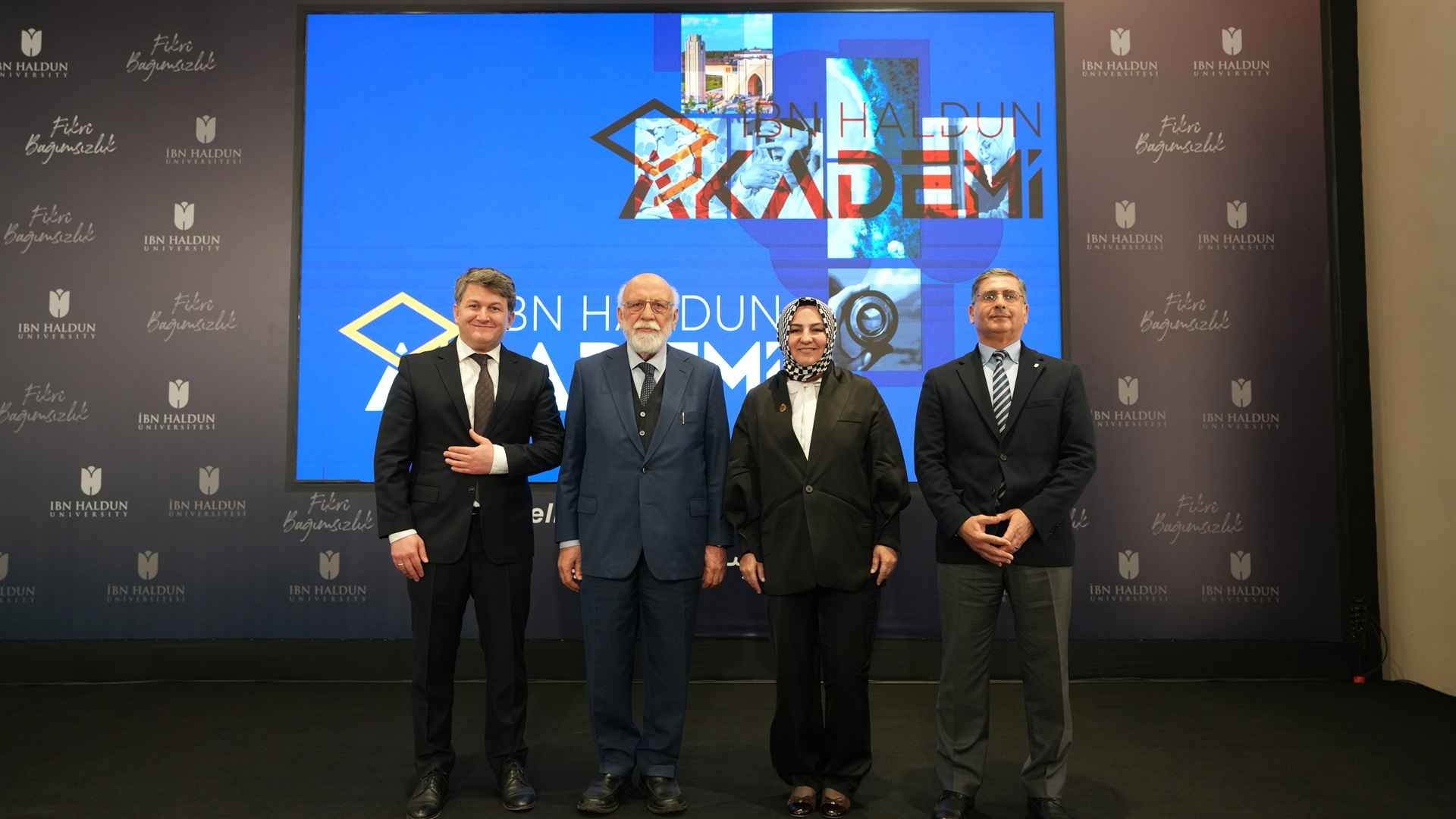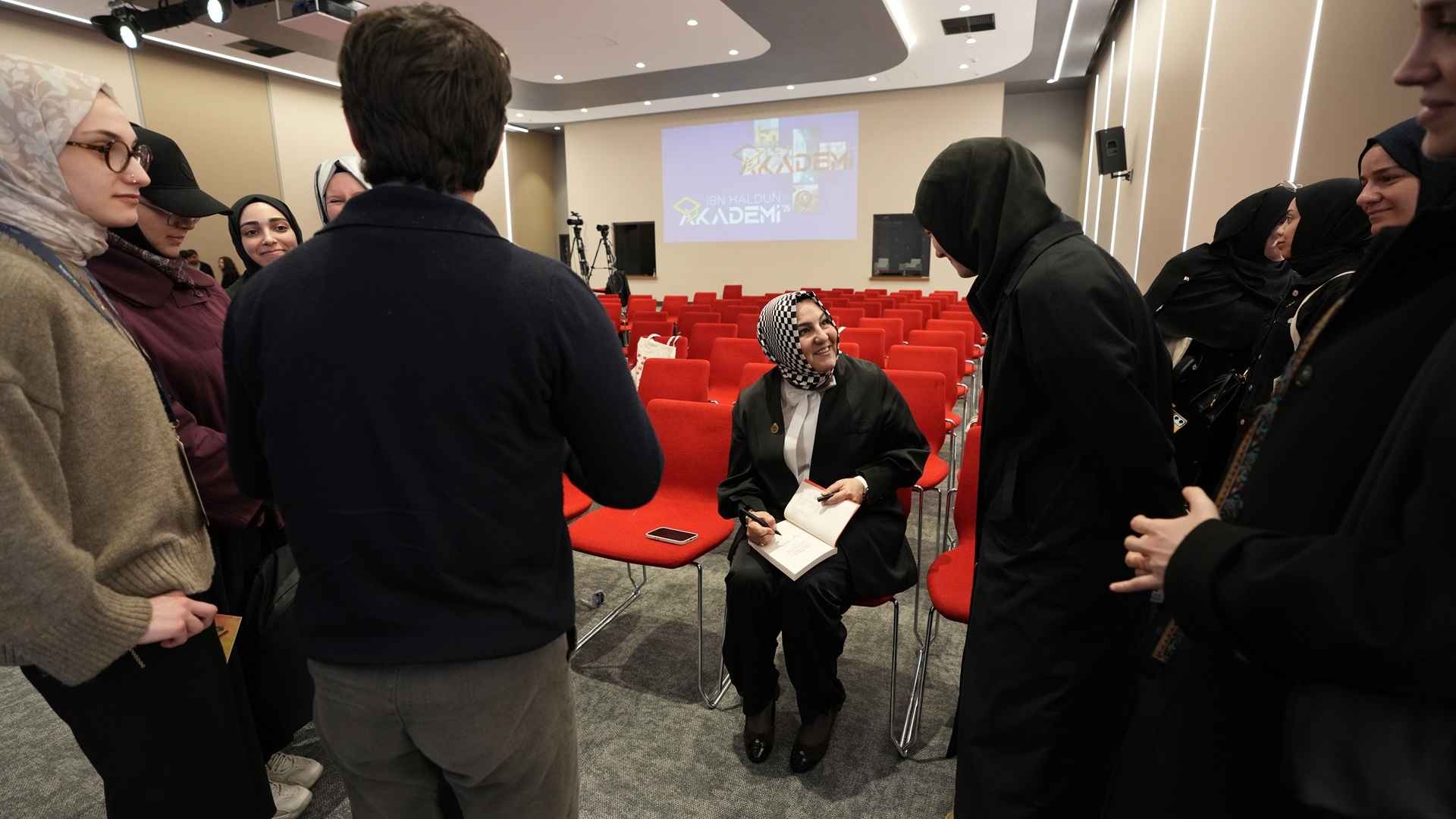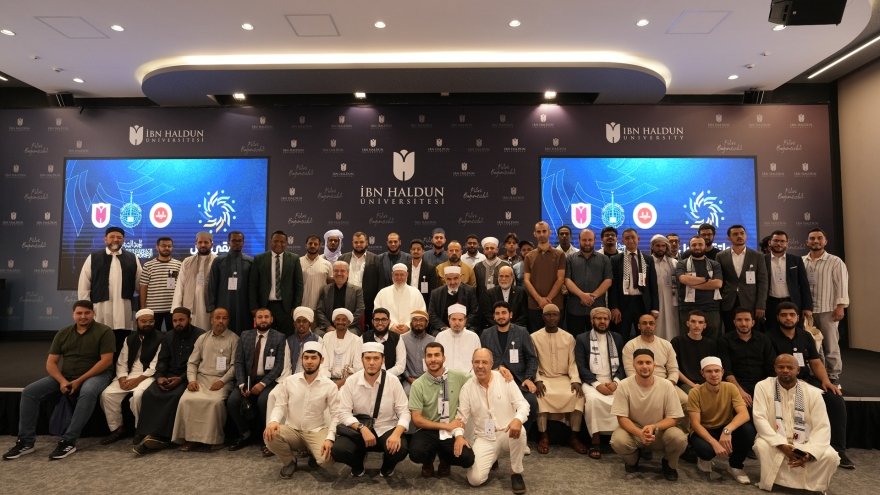
The fourth week of Ibn Haldun Akademi took place on Saturday, May 2, 2026, featuring a rich interdisciplinary program. The sessions included seminars by Clinical Psychologist Asst. Prof. Taha Burak Toprak and Prof. Enis Doko, a talk by clinical psychologist and author Nursena Balatekin, and a panel moderated by Asst. Prof. Ali Kıvrak featuring former Minister of National Education and Culture and Tourism, Prof. Nabi Avcı, and the Director of the Fuat Sezgin Institute for the History of Islamic Science, Asst. Prof. Nihal Fırat Özdemir.
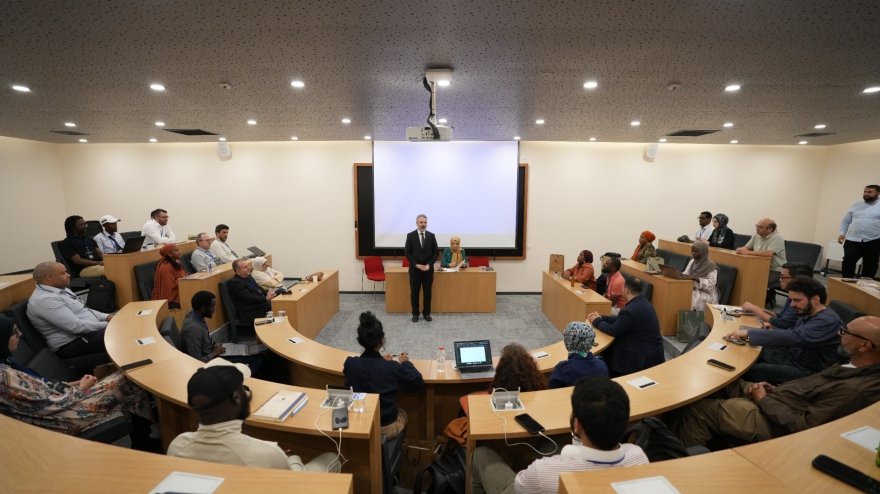
In the second session of the seminar titled "The Morality of Concepts" led by Asst. Prof. Taha Burak Toprak, the definition of humanity in modern psychology was compared with that of Sufism through concepts such as self-confidence, self-criticism, and self-compassion. The relationship between human perception of concepts and the understanding of morality was explored.
Stating that "The purpose of life shapes our values and moral world", Toprak noted that if individuals recognize themselves, they will also recognize and realize their purpose in life. Explaining this relationship, Toprak expressed that values form a person's perception of morality and that people rank these values based on the meaning they attribute to the world.
The seminar also focused on the concepts of trust and self-confidence, emphasizing the human need to trust oneself and the environment to realize one's potential. The relationship between self-confidence and the concept of "impotence" (acz) accepted in Sufism was discussed, highlighting the necessity of centering the concept of "reliance on God" (tawakkul) rather than the "ego".
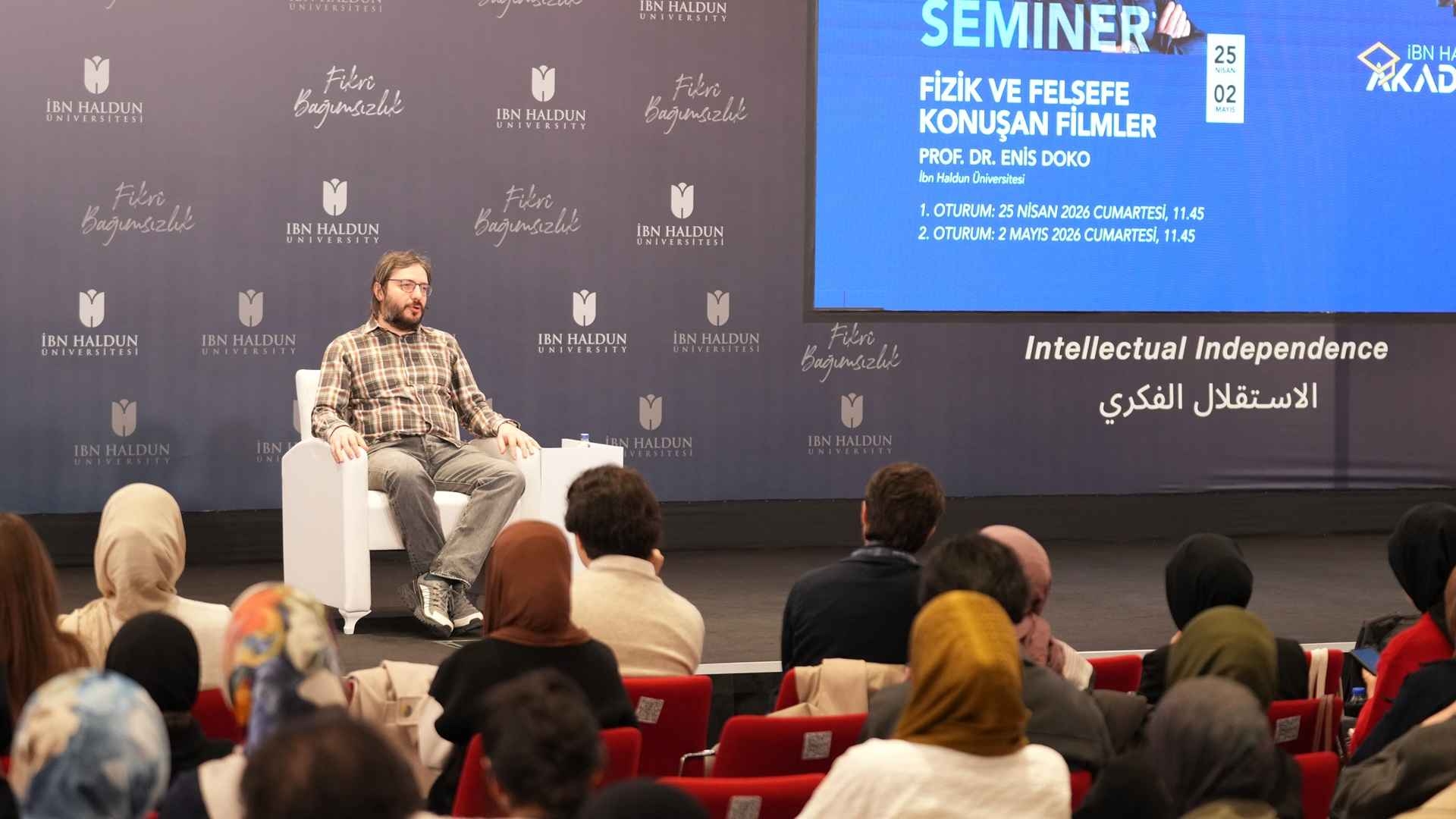
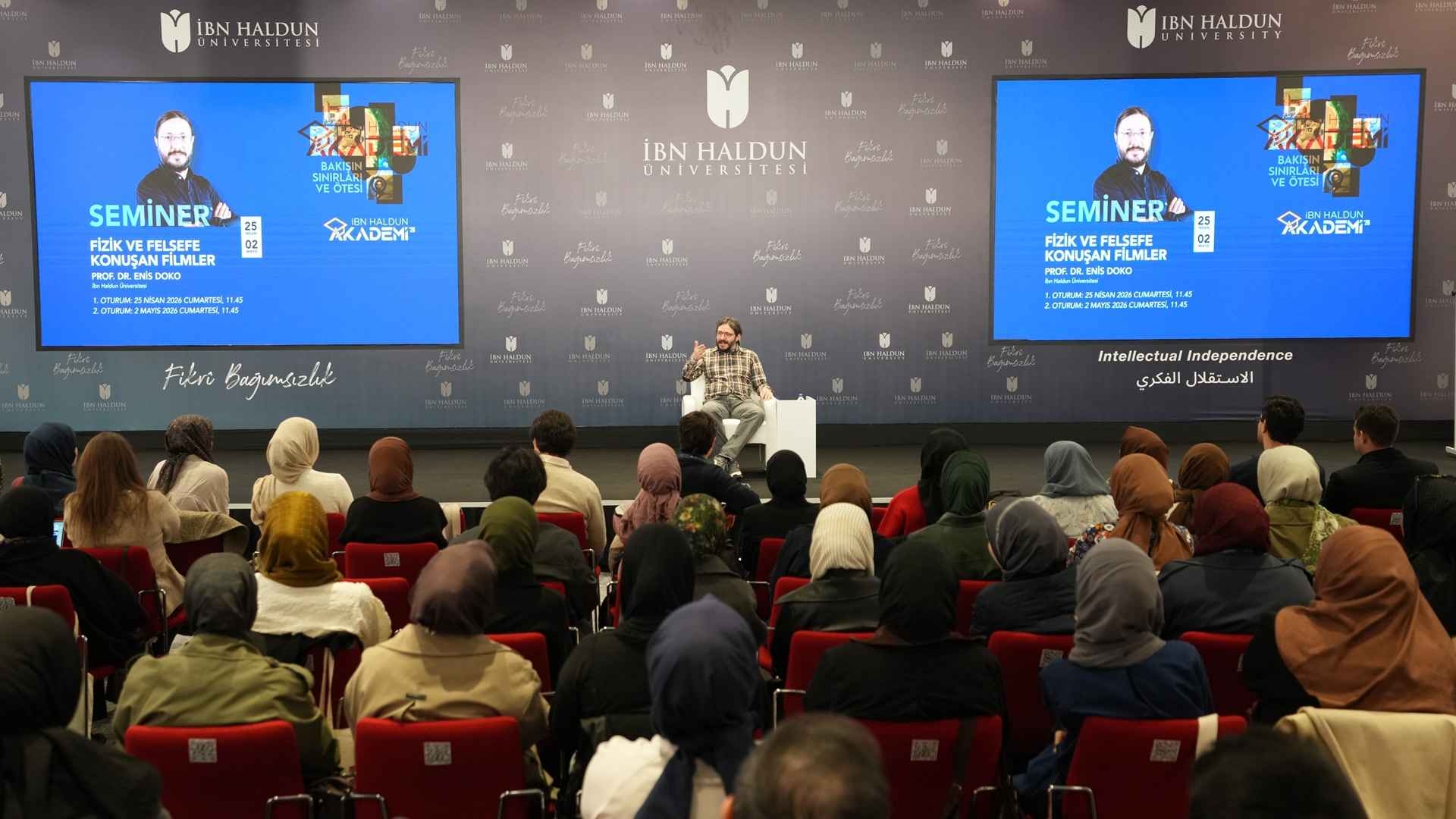
In the second session of Prof. Enis Doko’s seminar "Films Speaking Physics and Philosophy", references to physics and philosophy in the movie Interstellar, mythology and faith symbolism, and the treatment of the relationship between reason and emotion were discussed.
Using Interstellar as an example, Doko spoke about the perception of time in black holes according to the principles of physics. The discussion covered how physical laws do not limit our movement in space, giving us the freedom to move in any direction,yet we lack such freedom in time. In contrast, it was discussed that the opposite applies in black holes: while there is freedom of movement in time, there is no freedom of movement in space.
The seminar also touched upon how the human perception of time shapes emotions and thoughts. Examples were given regarding the function of emotions in decision-making mechanisms, suggesting that emotions are a necessity for a healthy reasoning process.
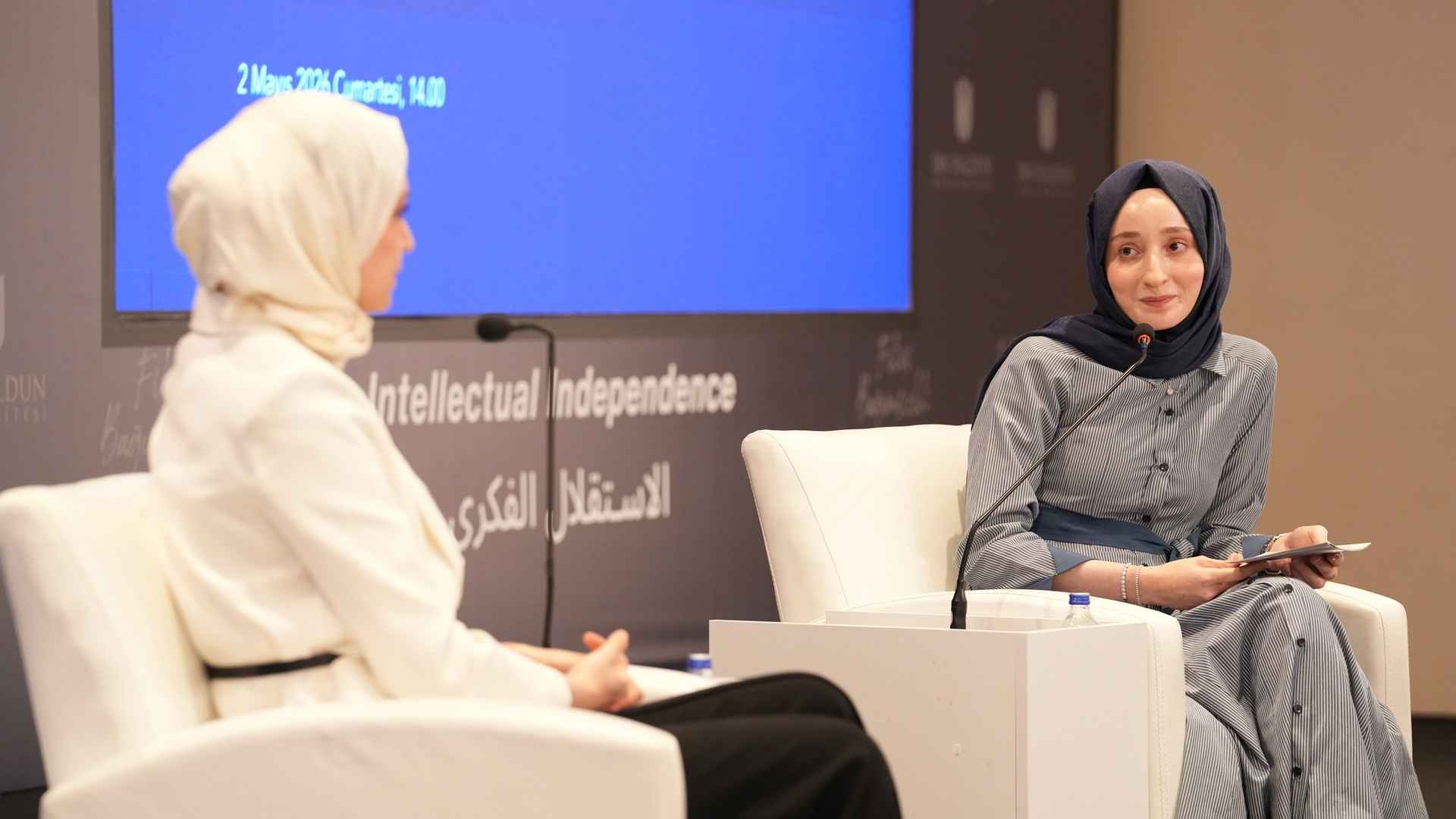
In her talk titled "Beyond Causes: Looking Through the Lens of Tawhid", clinical psychologist and author Nursena Balatekin explained the difference between approaching humanity through modern psychology versus the lens of tawhid (Oneness).
It was stated that from the perspective of tawhid, humans are examined through layers of soul, body, mind, heart, and will, light of an ontology in which the human is grounded. Emphasis was placed on how an individual, by recognizing the universe and the "flow" that exists beyond themselves, first understands that realm and subsequently experiences submission and trust.
Balatekin noted that if the titles assumed in modern life and the cause-and-effect relationships tied to the nafs (ego) are replaced by submission, the individual will know themselves better and achieve a better psychological state.
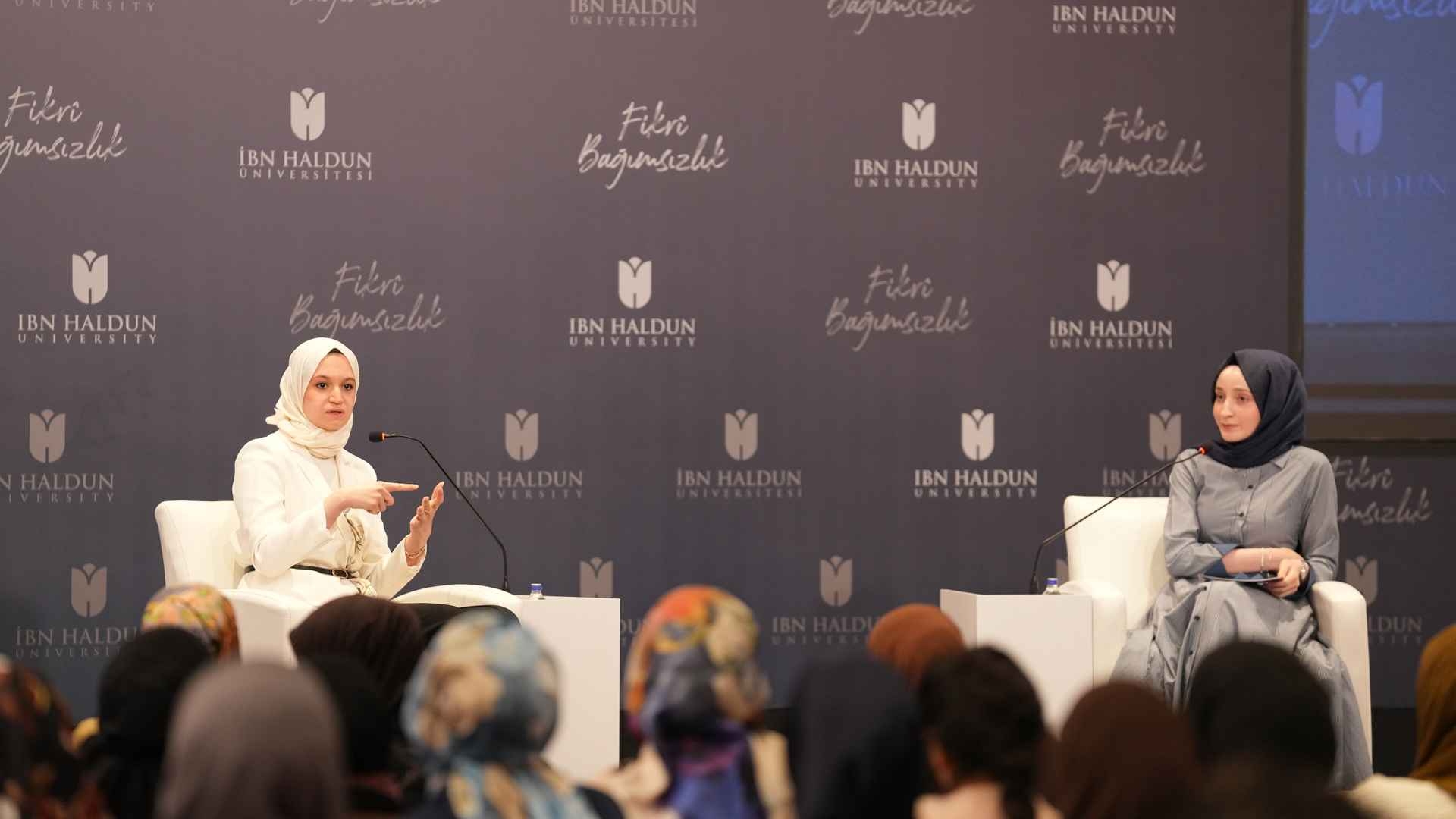
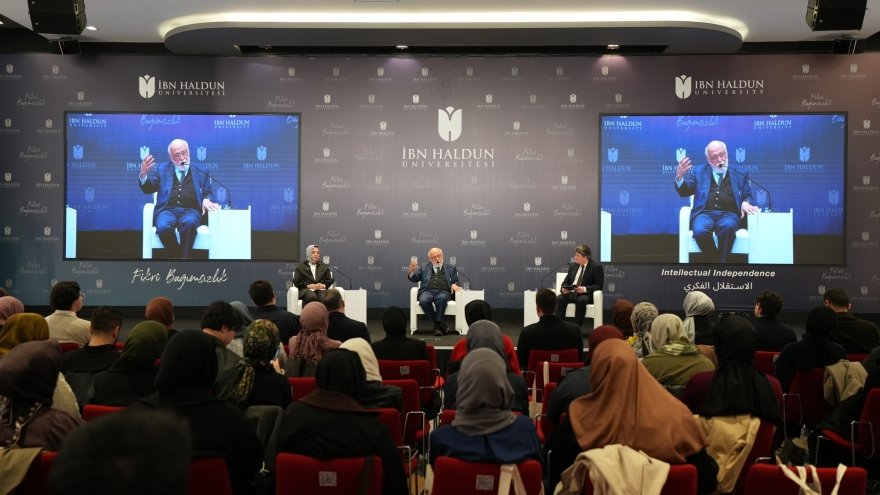
The panel featuring Prof. Nabi Avcı and Asst. Prof. Nihal Fırat Özdemir focused on the concepts of “intellectual”, enlightened, information, knowledge, and verification (tahqiq).
Prof. Nabi Avcı stated that "knowledge" (bilgi) is information (enformasyon/malumat) processed in a useful way, and that the concept of "wisdom" (hikmet) stands above knowledge. He noted that the difference between knowledge and wisdom is qualitative rather than quantitative. Stating, "In our search for knowledge with the thought that 'if we become very knowledgeable, we will also find wisdom,' we lost wisdom.", Avcı emphasized that while information can be processed to reach knowledge, knowledge cannot be processed to reach wisdom.
Asst. Prof. Nihal Fırat Özdemir, referring to the history of information sources, she highlighted the speed of today’s information flow and discussed how this speed affects the verification of knowledge. It was emphasized that while speed brings certain advantages, it also leads to losses in trust and depth; therefore, the ability to discern information has gained vital importance.
To achieve the verification of knowledge, it was suggested that readers should question both the information and themselves, staying aware of the "flow" while engaging in supplementary readings.
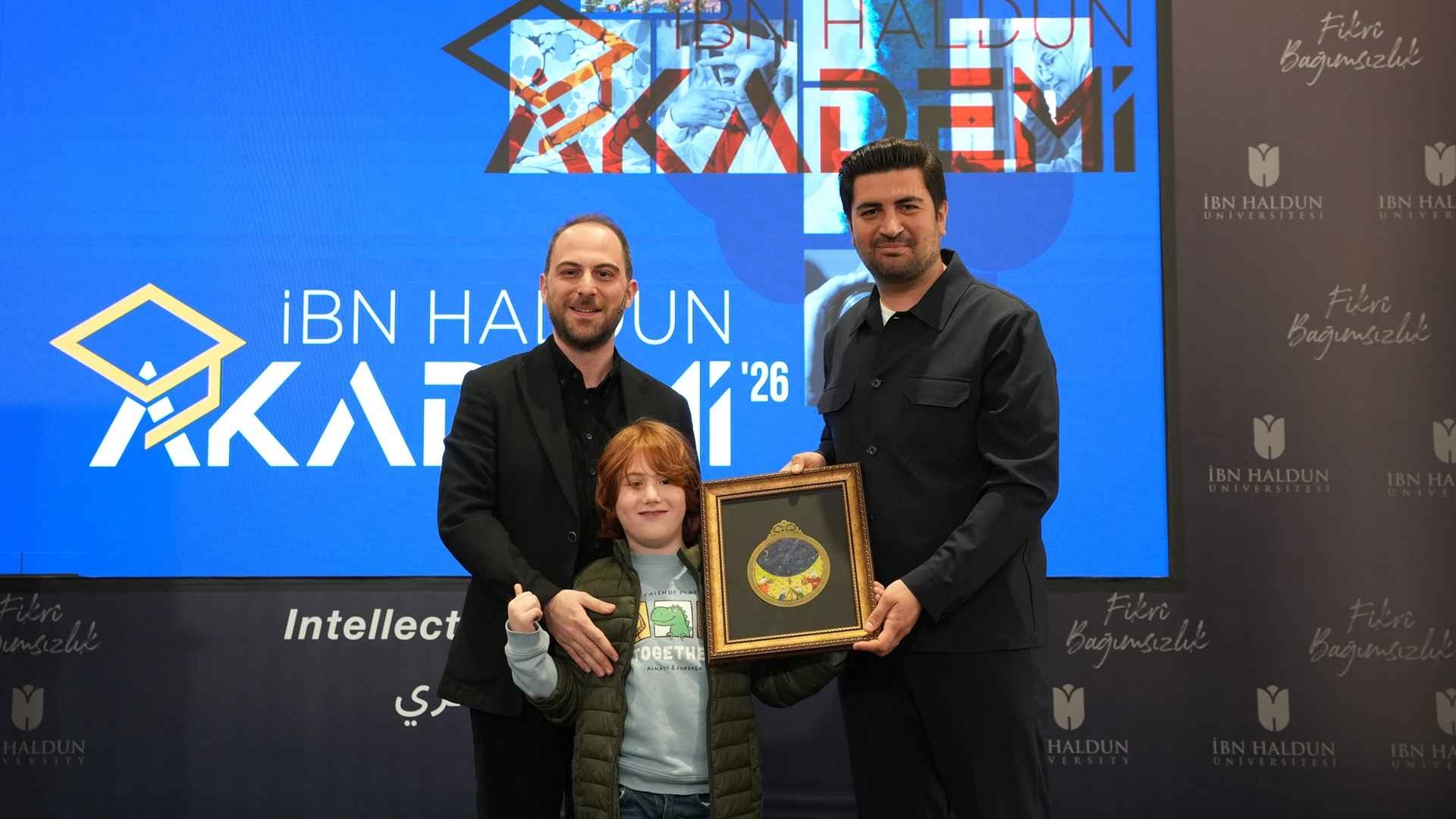
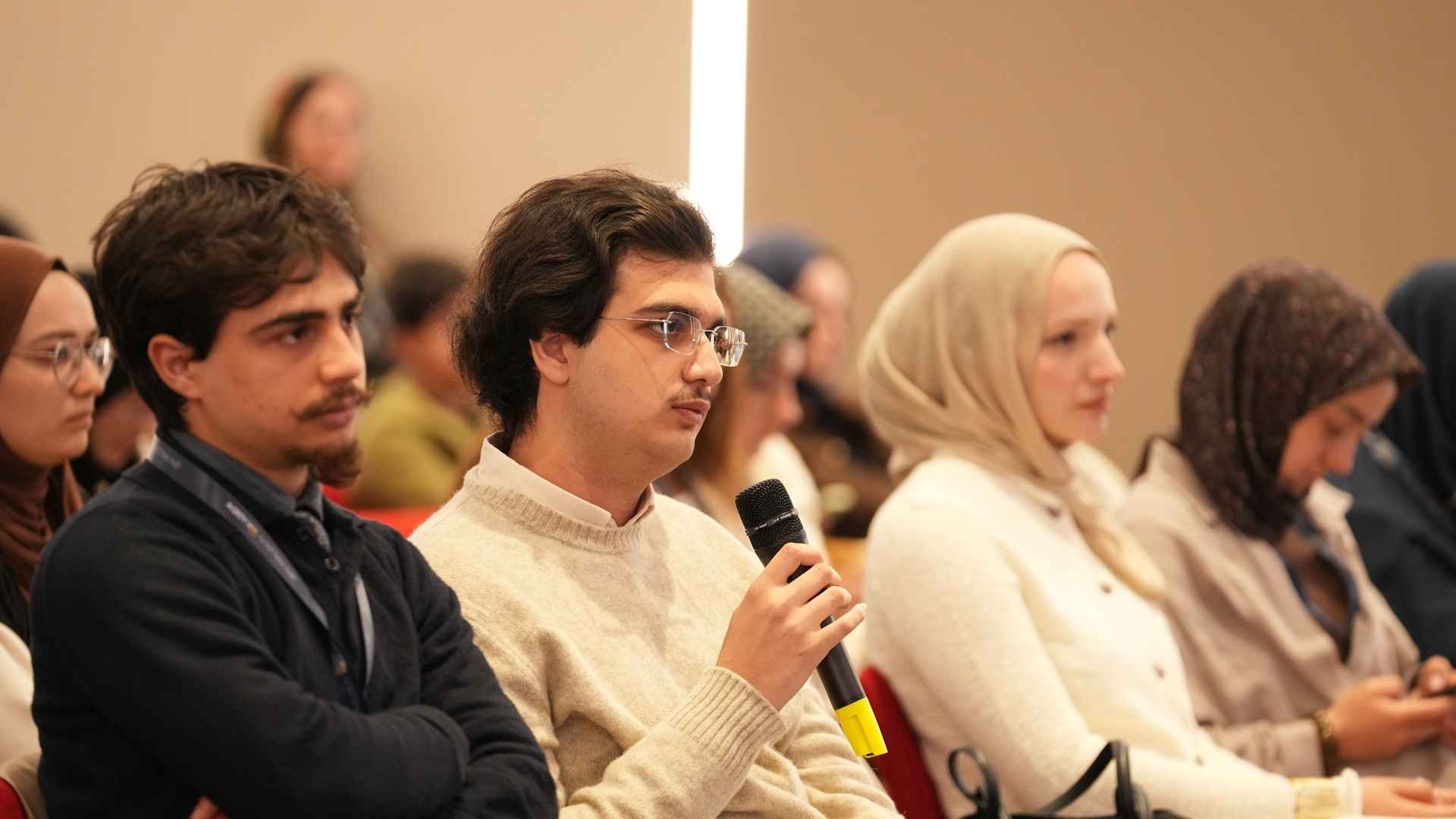
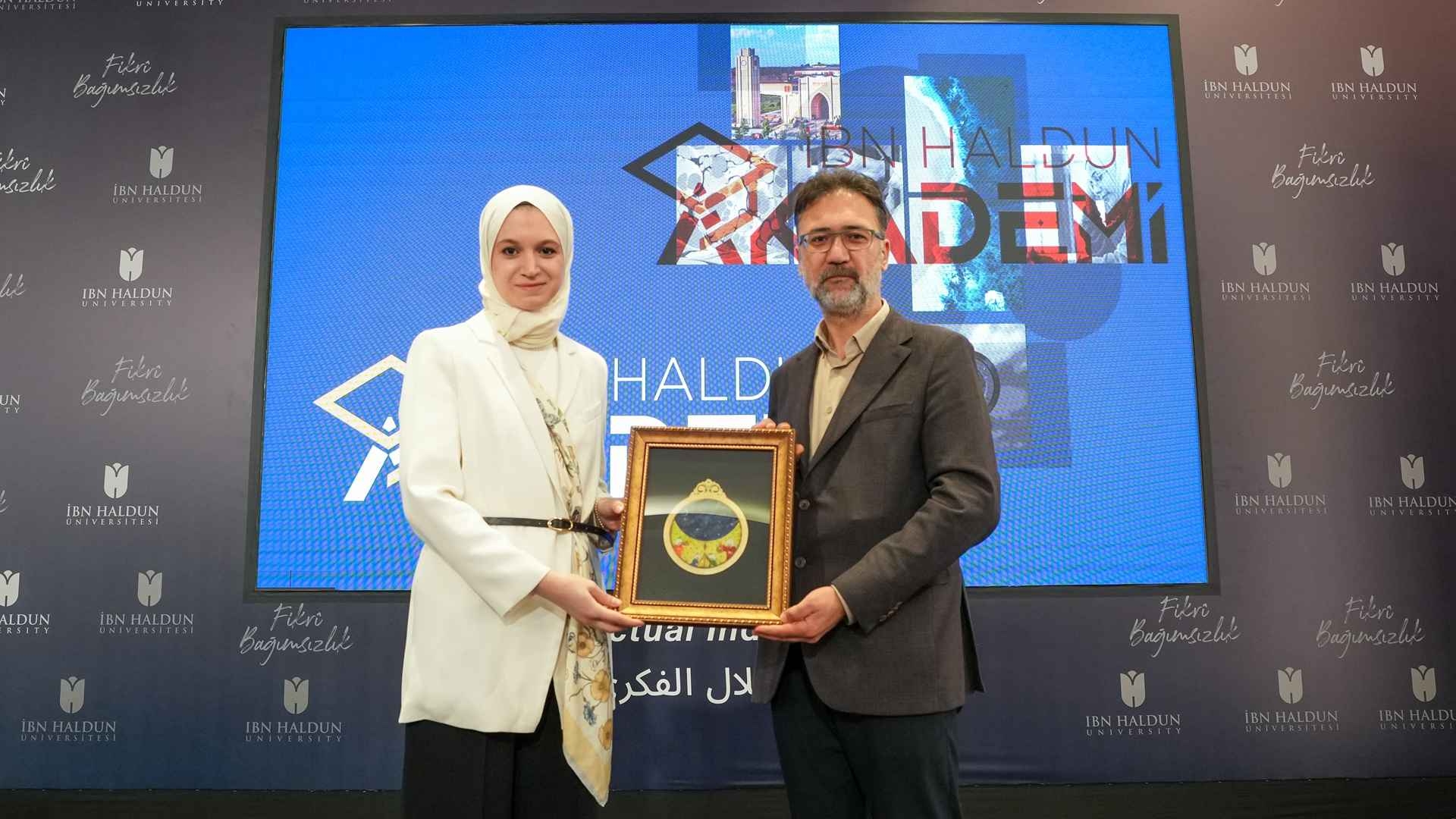
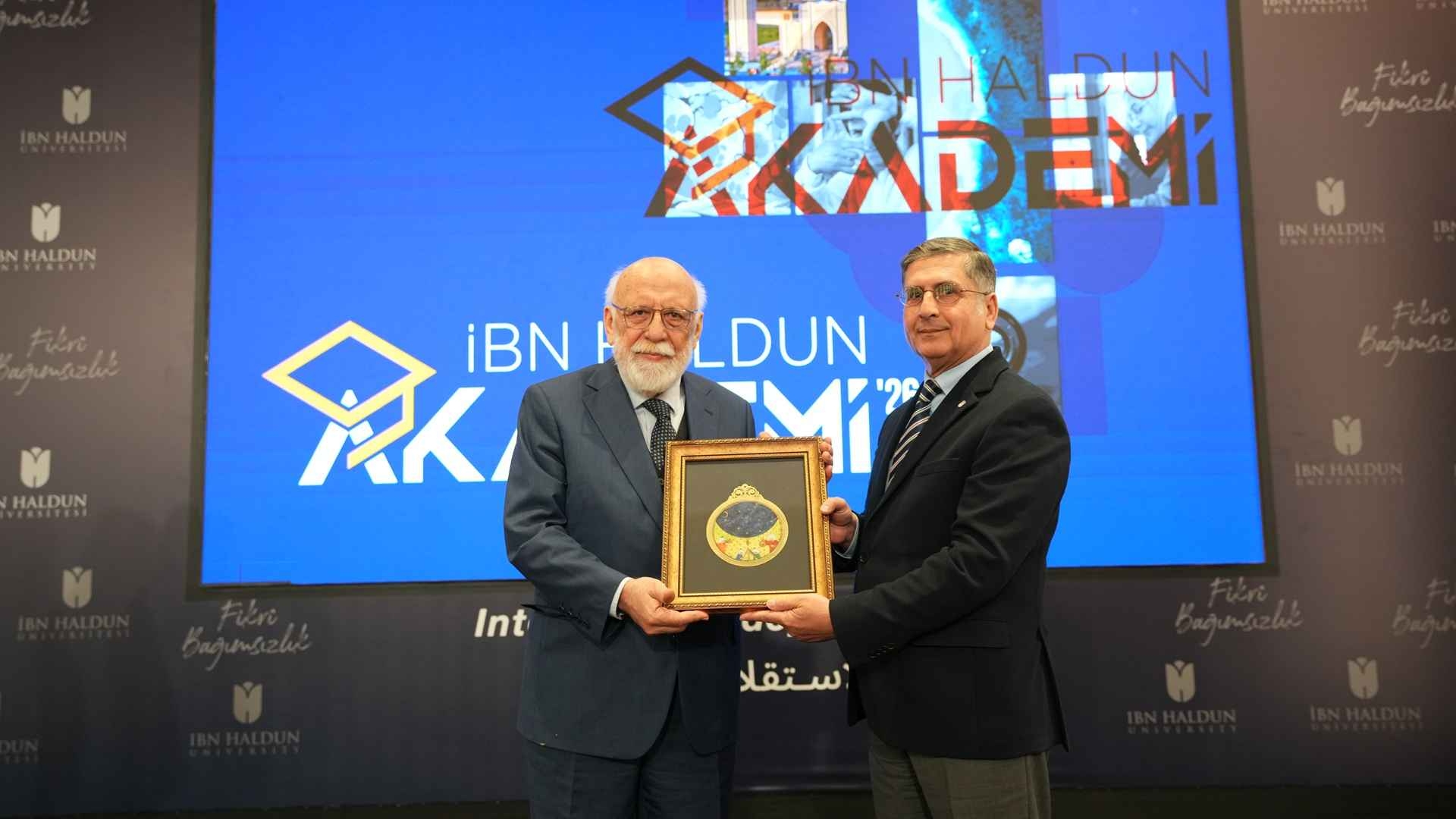
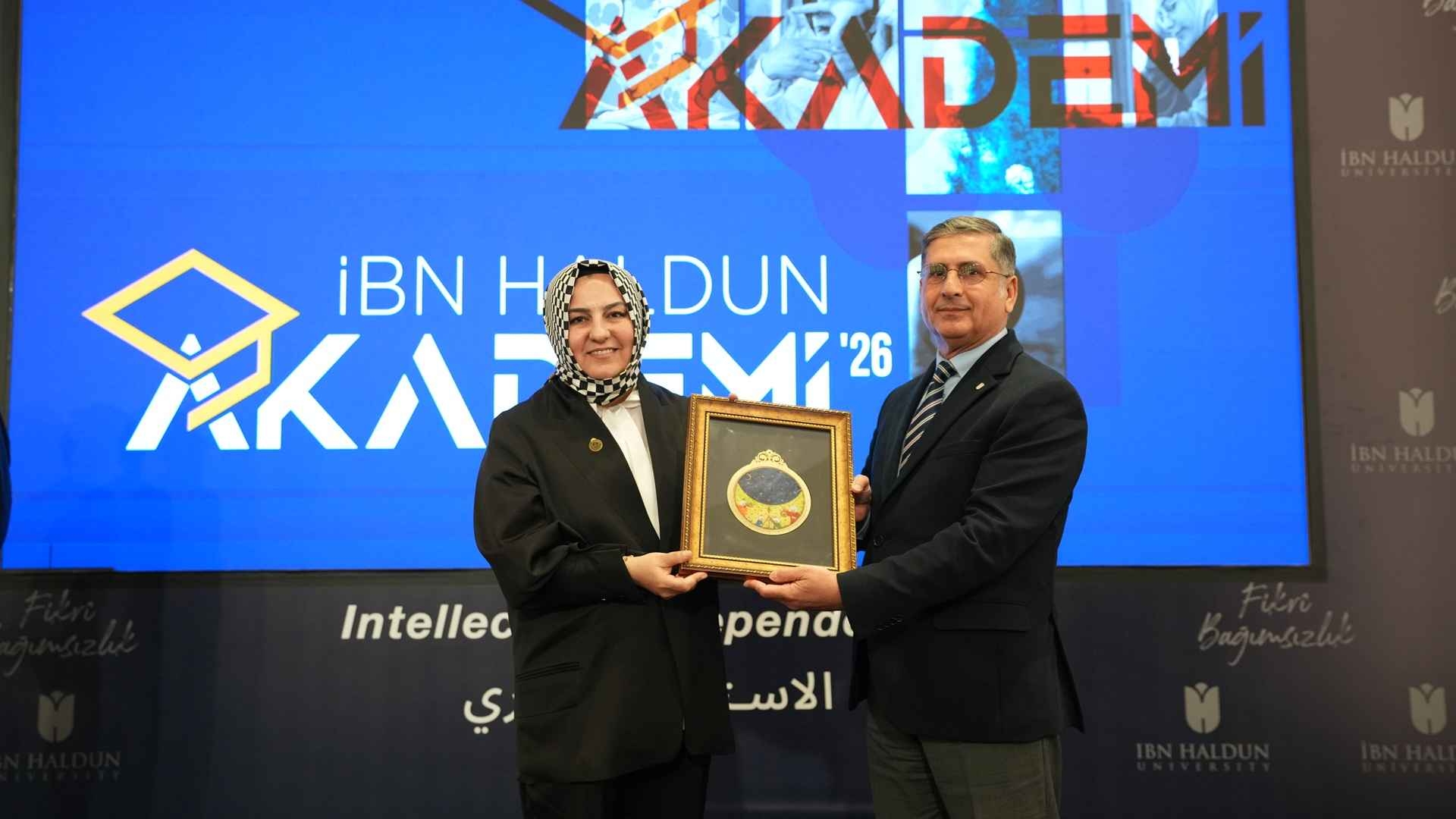
The fourth-week sessions concluded following a Q&A session and the presentation of gifts to the speakers.