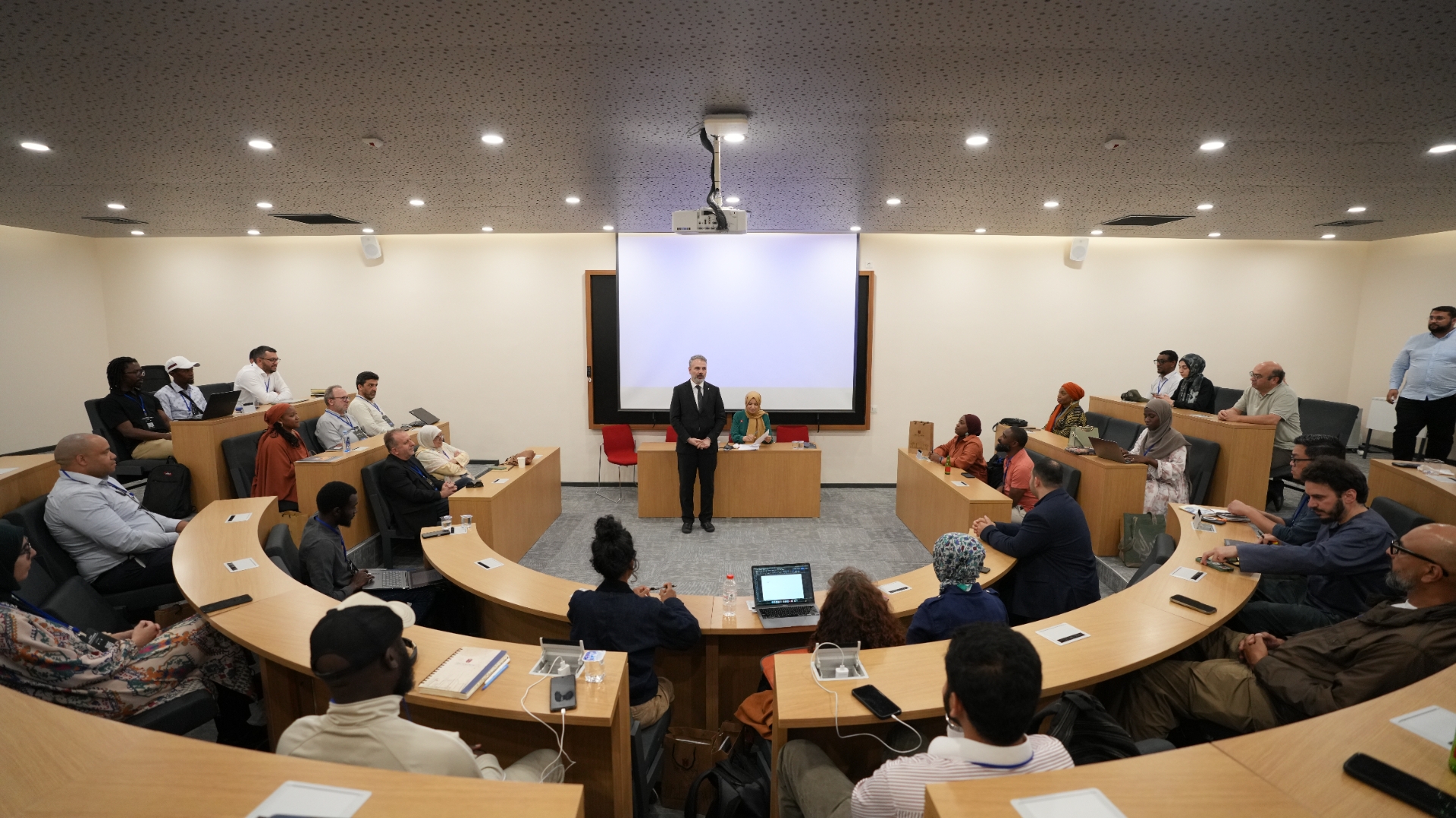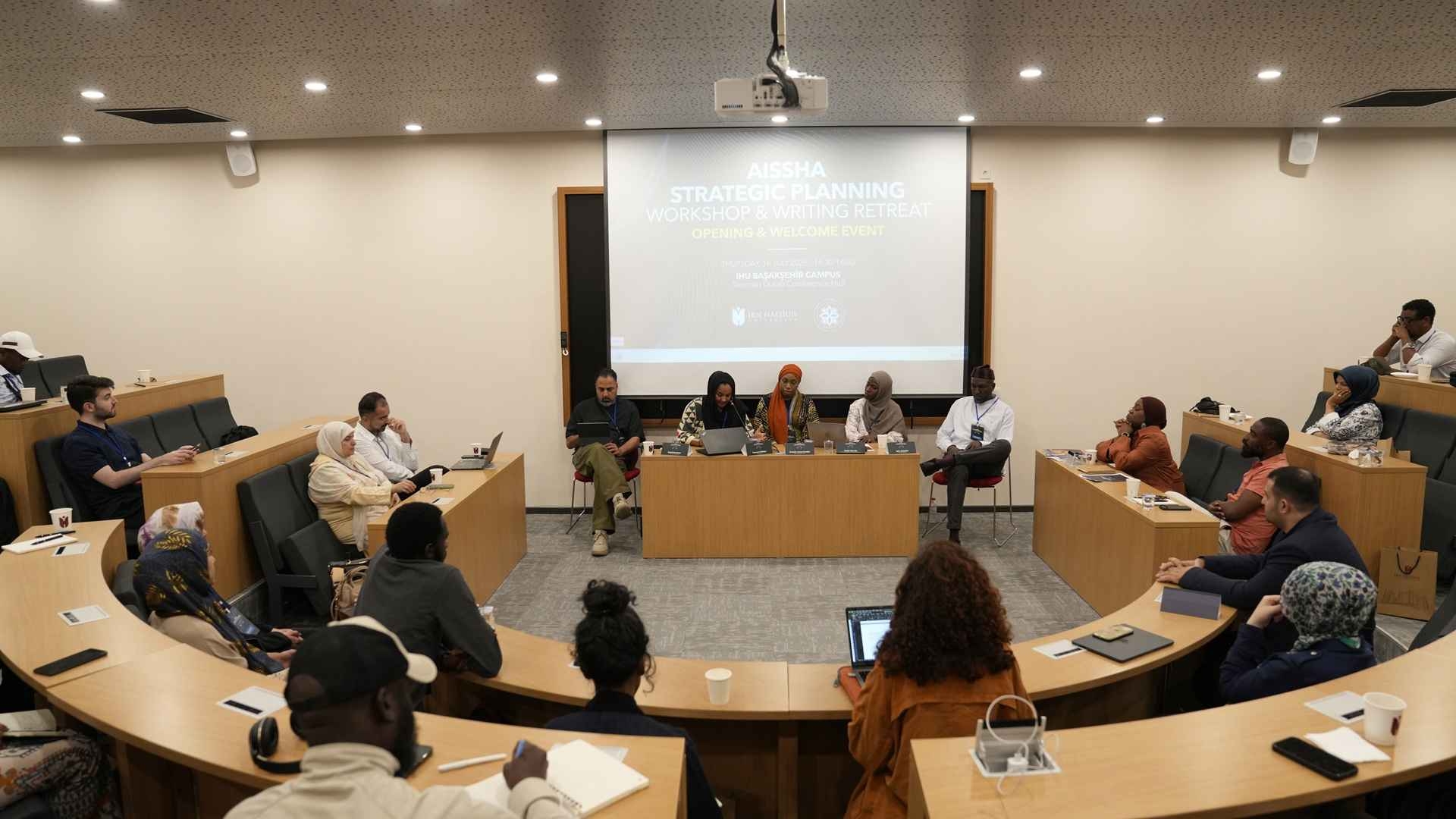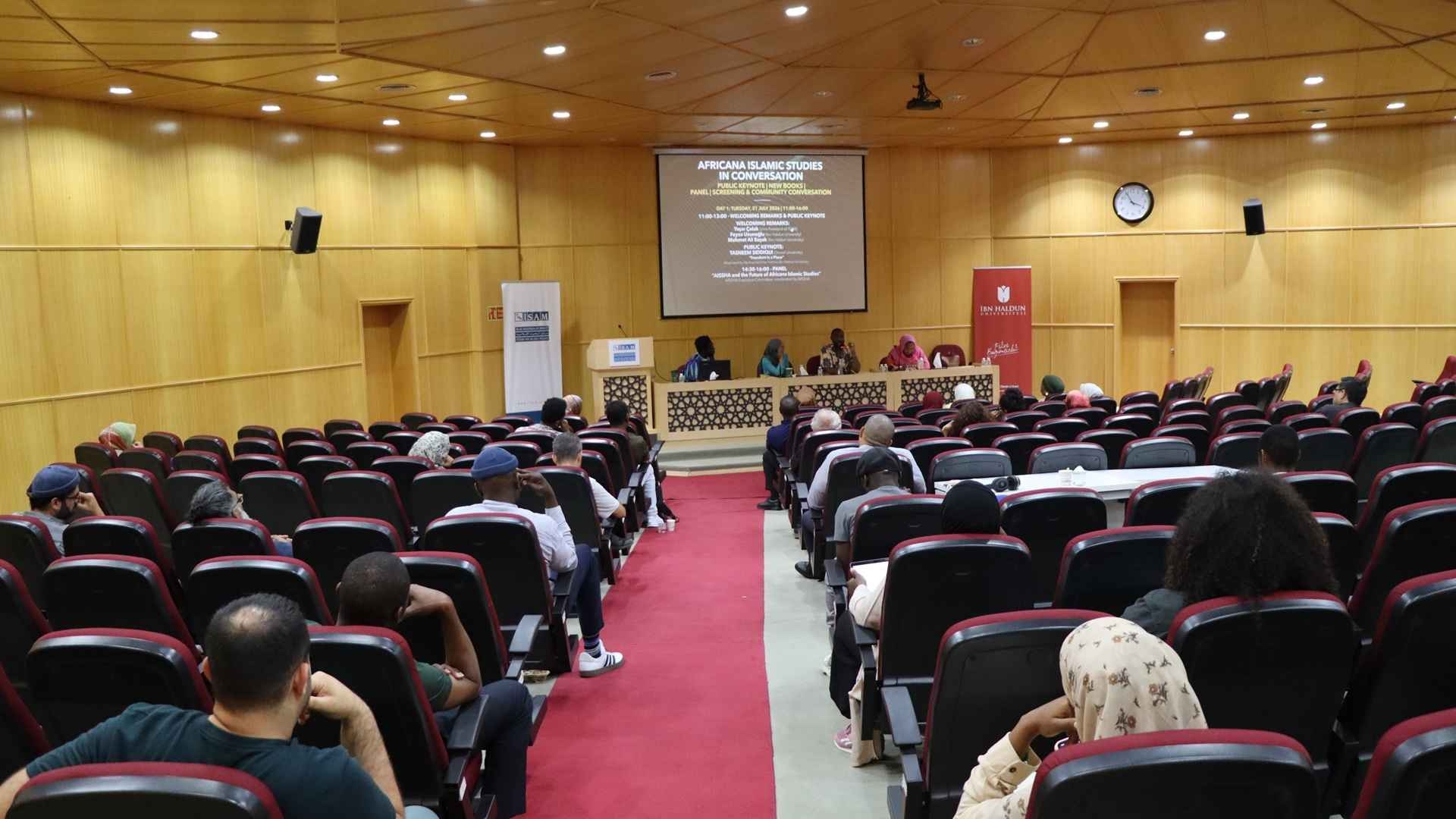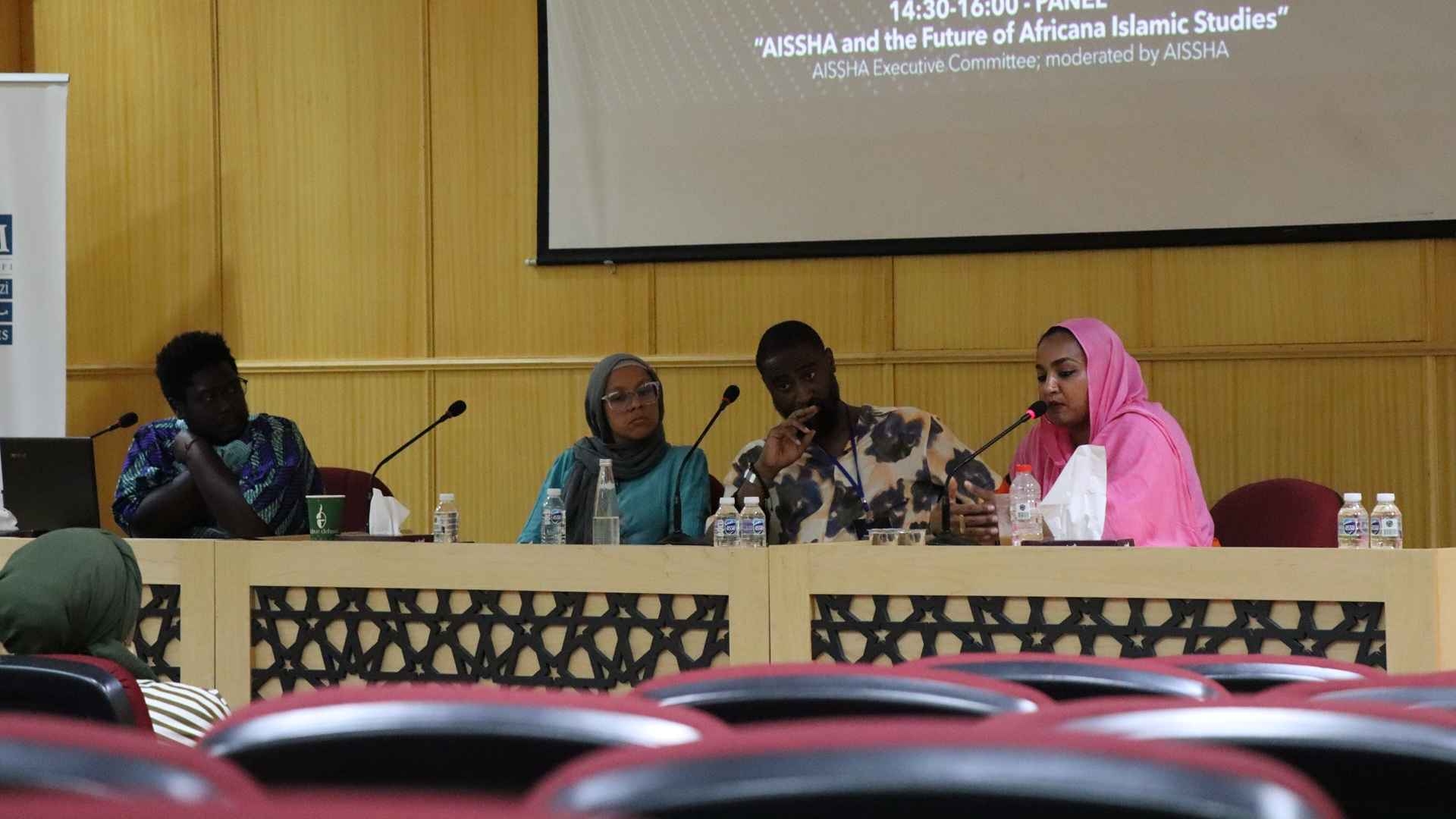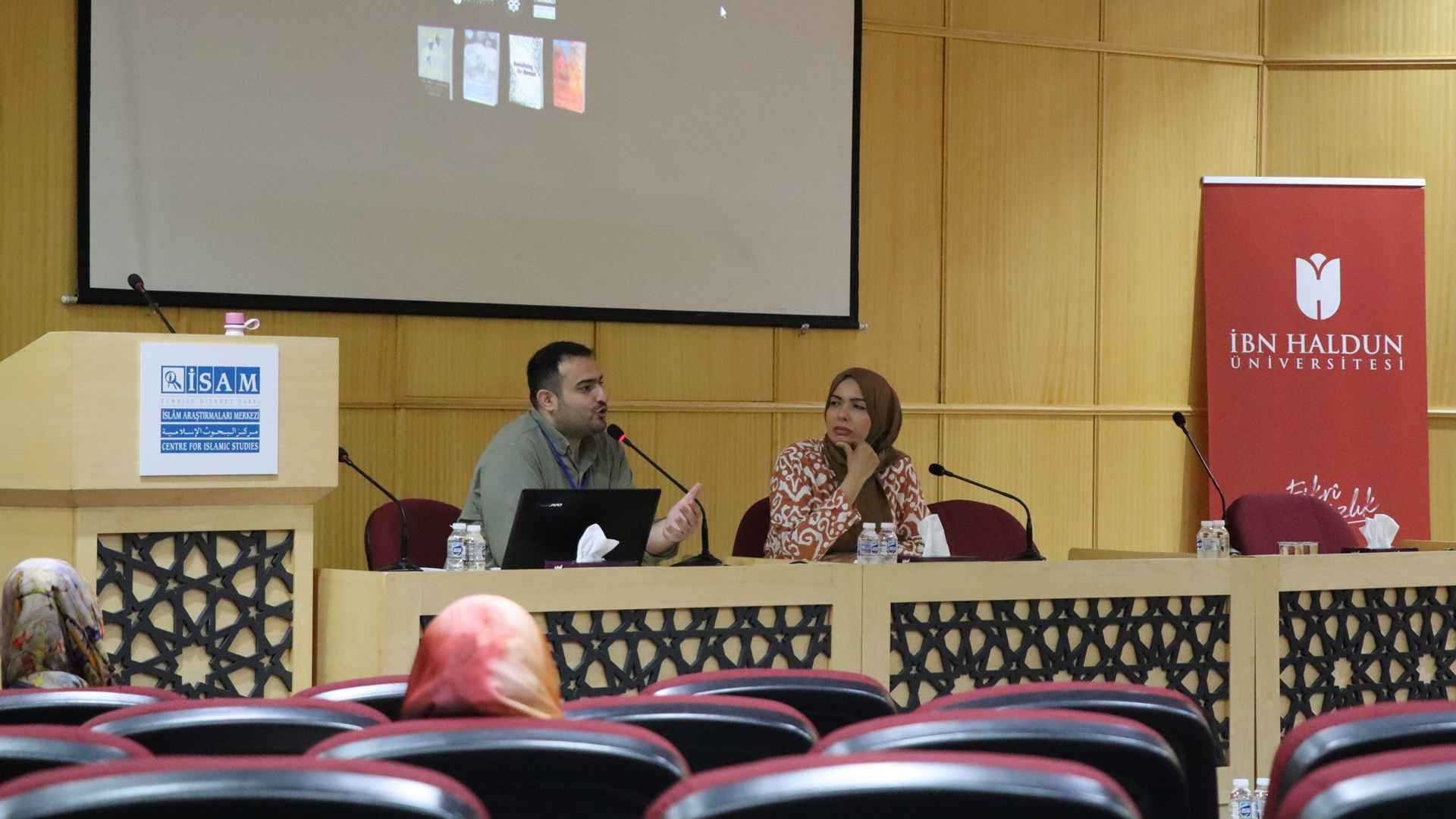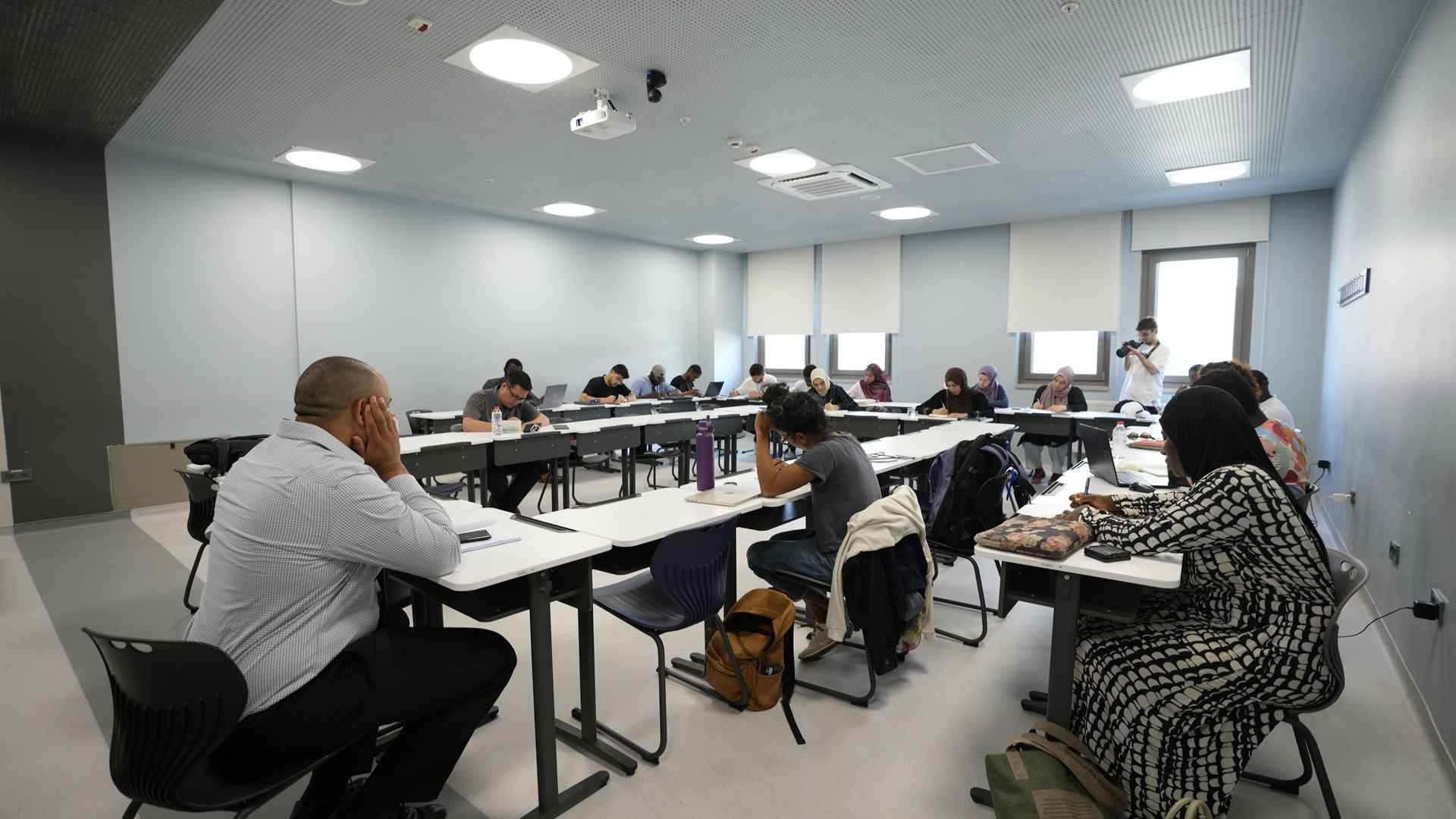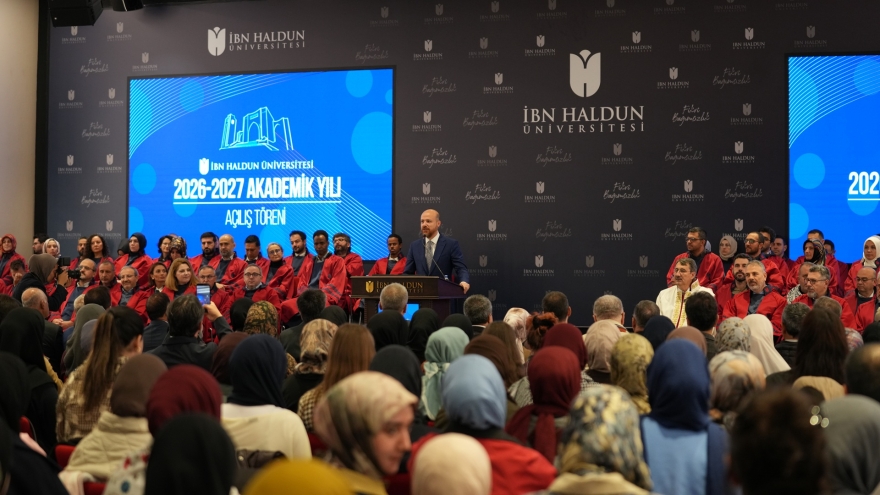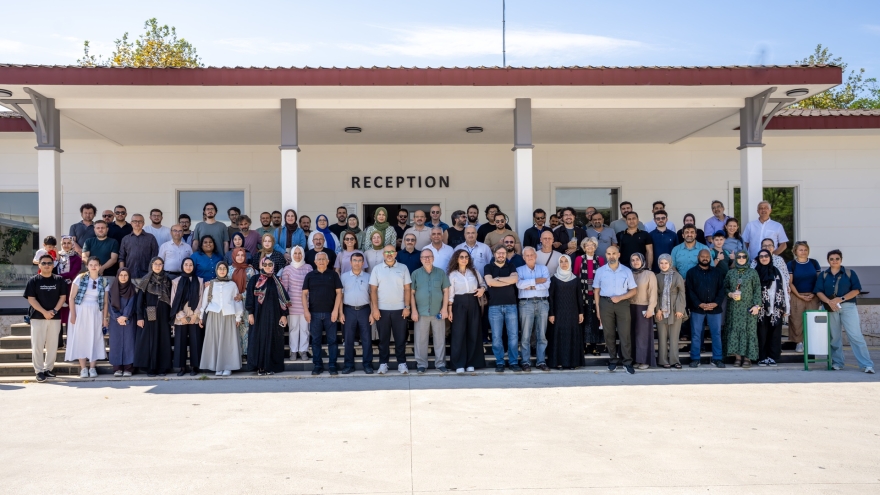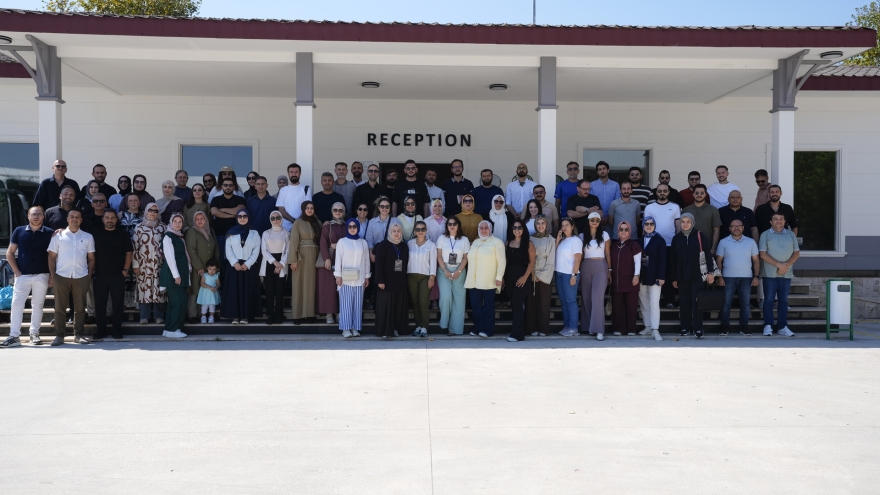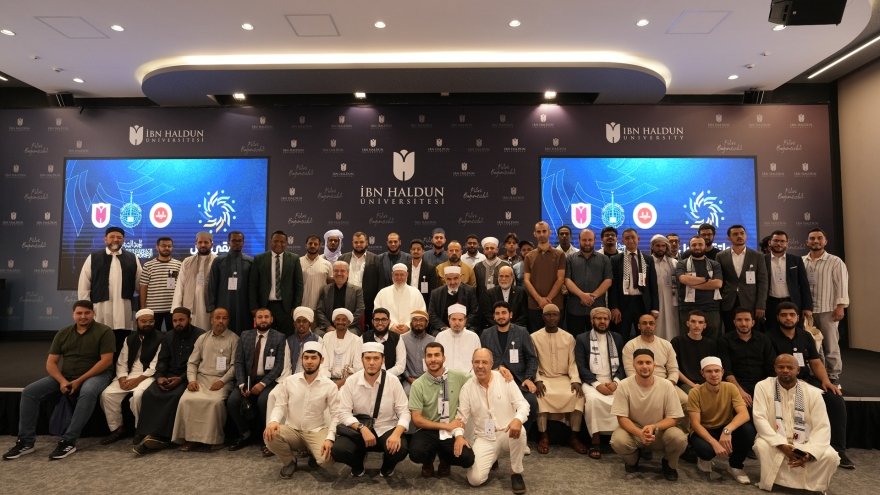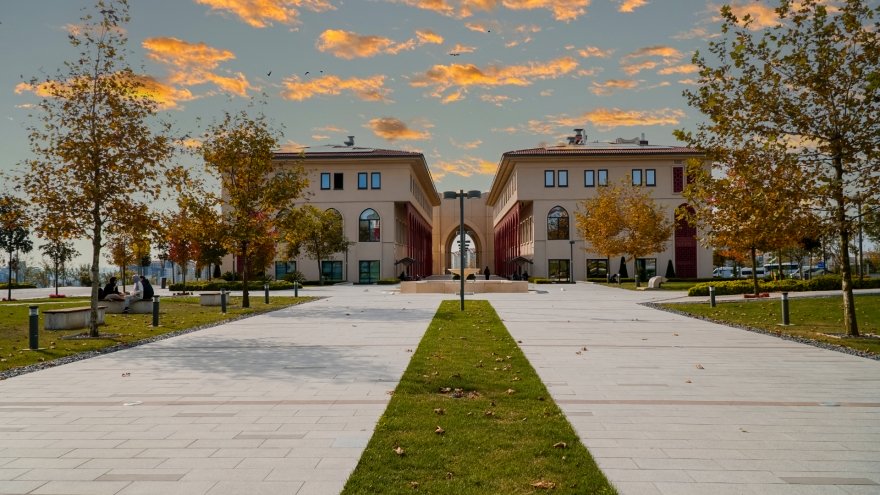

Organized at our University between July 15 and 25, 2026, the ten-day strategic planning program brought together representatives from AISSHA (Africana Islamic Social Sciences and Humanities Association) and academics from Ibn Haldun University. The opening ceremony of the event took place on Thursday, July 16, 2026.
Moderated by Dr. Intissar Kherigi, a visiting scholar at our University, the opening program began with welcoming remarks from our Vice President, Prof. Özcan Erkan Akgün. Prof. Akgün expressed his hope that the connections established through this event would prove sustainable.
Speaking on behalf of AISSHA, Dr. Youssef Carter from the University of North Carolina and Dr. Fatima Siwaju from the University of Virginia delivered sincere speeches reflecting the spirit of friendship and cooperation to be established.
Dr. Intissar Kherigi emphasized that intellectual freedom is under attack in most parts of the world. She expressed her hope that the work carried out during this program would help reverse this situation. Noting that Western academia has been crumbling in recent years, Dr. Kherigi highlighted the objective of building a new Islam-centered academic framework together with AISSHA.
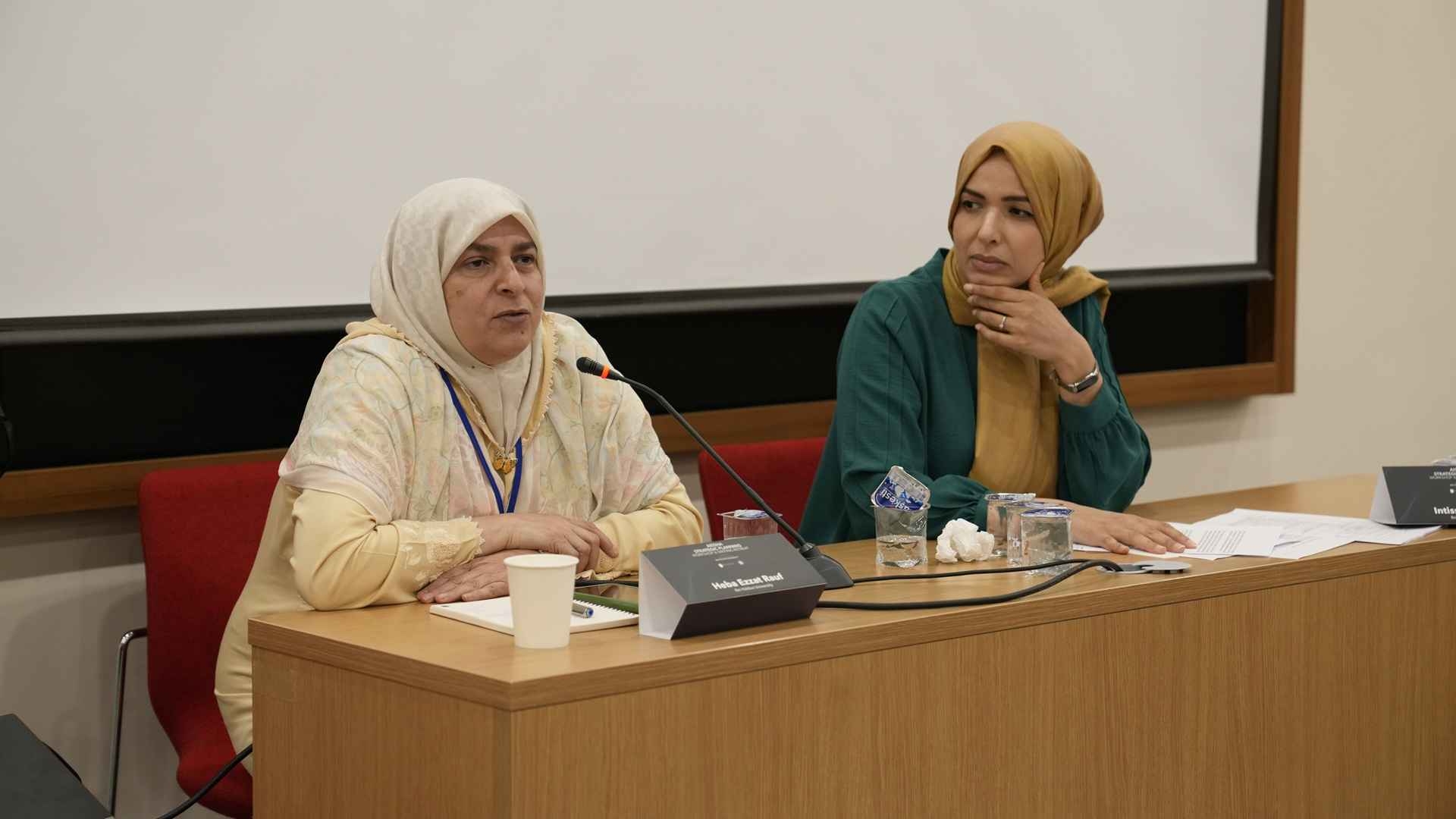
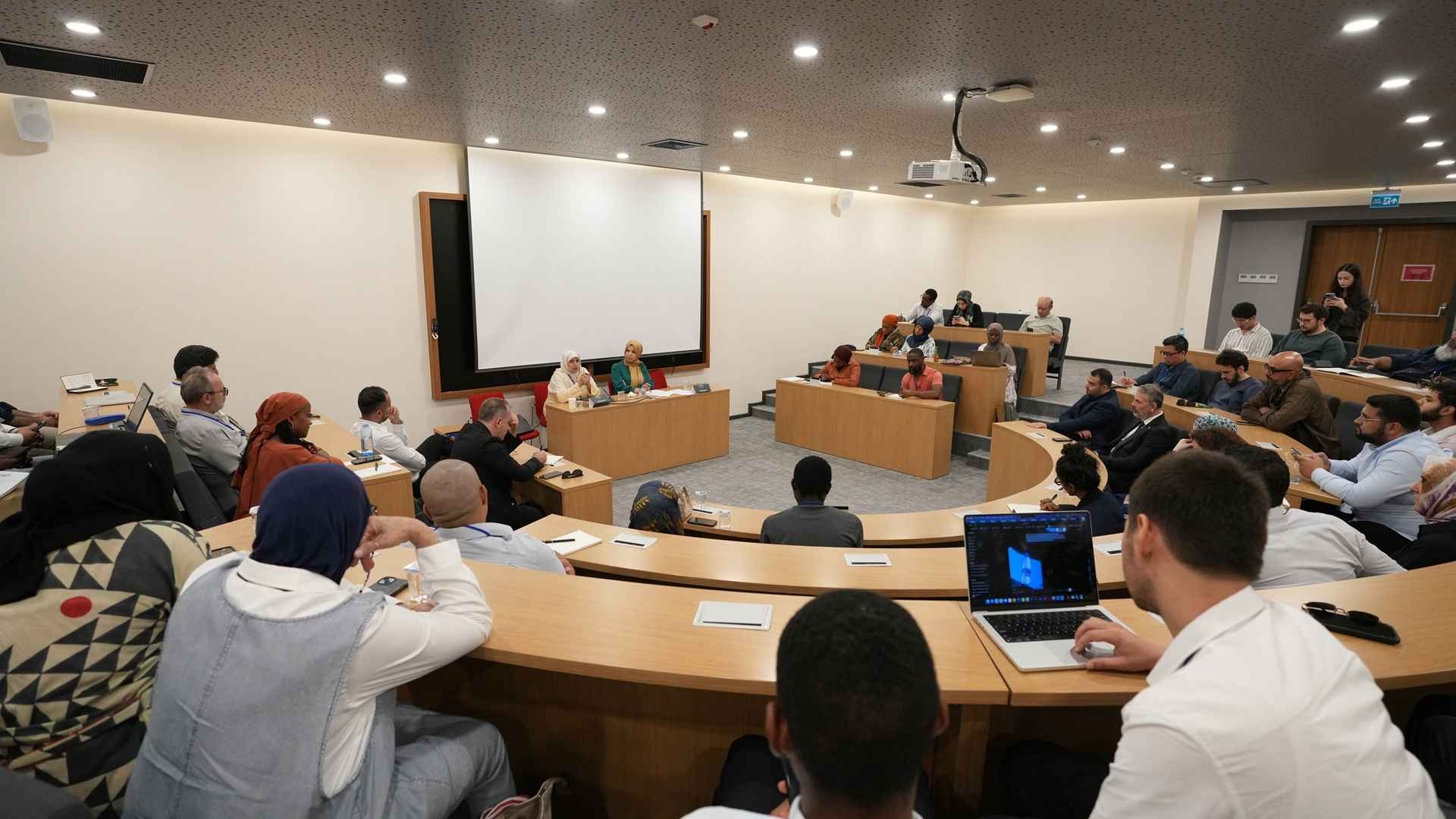
Delivering the keynote speech on the first day, our academician Dr. Heba Raouf Ezzat presented her talk titled “Ilm, Umran and Ijtihad: Towards a Dialogical Reformation of Islamic Studies”. She examined the close relationship between Islamic Studies and Social Sciences. Noting that Muslims span a vast geography, she emphasized that the geographical and cultural identities of researchers lead to significant nuances in Islamic studies.
Dr. Ezzat stated that Islamic societies must internalize the concept of "tawhid" (oneness) in understanding life to avoid geographic and cultural divisions. She elaborated in detail on notions such as “Irfan” (gnosis), “al-kawn” (universe), “mizan” (balance), and “insan” (humanity).
She noted that progressing in Islamic Studies requires engaging with contemporary society rather than relying solely on classical works. To achieve this, she emphasized the necessity of joint efforts between bodies conducting Islamic research and institutions collecting data in sociology and anthropology.
Held across our Başakşehir Complex, Süleymaniye Campus, and ISAM, the “AISSHA Strategic Planning Workshop and Writing Retreat” featured various talks, meetings, book presentations, and workshops focused on Islamic strategic collaborations, including titled sessions such as “Prospects of Collaboration on Africana Studies”, “Mapping the Theology of Malcolm X: A Cartographic Exploration of Love”, “Freedom Is a Place”, and “AISSHA and the Future of Africana Islamic Studies”.